• Fri frakt över 249 kr
  • •
  • Snabba leveranser
  • •
  • Billiga böcker
Kundservice

Du är på sajten för privatpersoner.

Företag, bibliotek eller offentlig verksamhet?

Du handlar på classic.bokus.com, där alla dina funktioner finns intakta.
Till classic.bokus.com
Bokus logotyp. Gå till startsidan.
  • Erbjudanden
  • Nyheter
  • Student
  • Topplistor
  • Barn & ungdom
  • Bokus Play
  • E-böcker
  • Pocketböcker
  • Spel & pussel

10% rabatt på allt med kod NYSTART10 →

Sidfot

Mina sidor

    Hjälp

    • Kundservice
    • Vanliga frågor och svar
    • Frakt och leverans
    • Retur vid ångerrätt
    • Reklamera vara
    • Betalning
    • Köpvillkor
    • Allmänna villkor
    • Information om webbplatsens tillgänglighet

    Om Bokus

    • Om oss
    • Pressrum
    • För studenter
    • För företag
    • För bibliotek och offentlig verksamhet
    • För leverantörer
    • Hållbarhet

    Populärt

    • Aktuella erbjudanden
    • Presentkort
    • Studentlitteratur
    • Nya böcker
    • Topplistor
    • Signerade böcker
    • Engelska böcker

    Inspiration

    • Boktips
    • BookTok
    • Populära bokserier
    • Barnbokskaraktärer
    • Populära författare
    Logotyp för Bokus
    Följ oss på Facebook (extern länk)Följ oss på Instagram (extern länk)Följ oss på YouTube (extern länk)Följ oss på TikTok (extern länk)
    bokus @ CookiesAnpassa cookiesIntegritetspolicyKöpvillkor
    Till Citymail hemsida (extern länk)Till Budbee hemsida (extern länk)Till Postnord hemsida (extern länk)Till Schenker hemsida (extern länk)Till Early Bird hemsida (extern länk)Till Walleys hemsida (extern länk)
    1. Historia och arkeologi
    2. Historia
    3. Europas historia

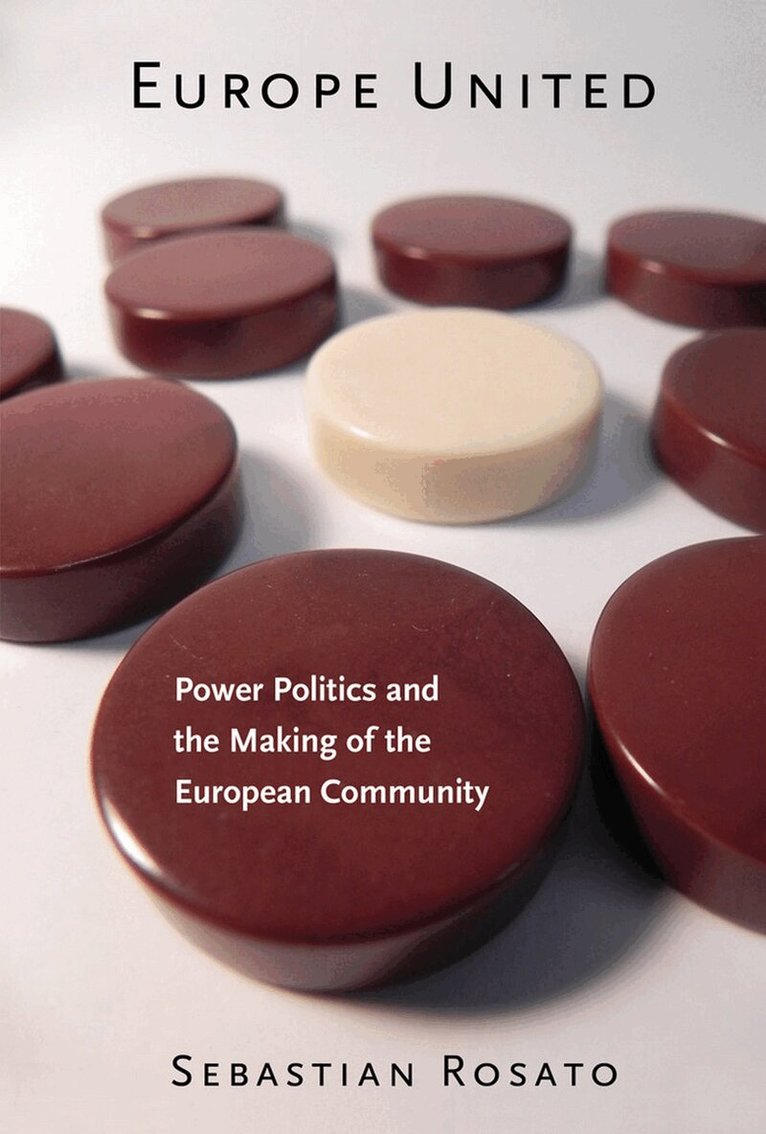
    Europe United

    Power Politics and the Making of the European Community

    AvSebastian Rosato

    Häftad, Engelska, 2012

    Del i serien Cornell Studies in Security Affairs

    322 kr

    Beställningsvara. Skickas inom 10-15 vardagar. Fri frakt över 249 kr.

    Fler format och utgåvor

    Inbunden

    751 kr

    Beskrivning

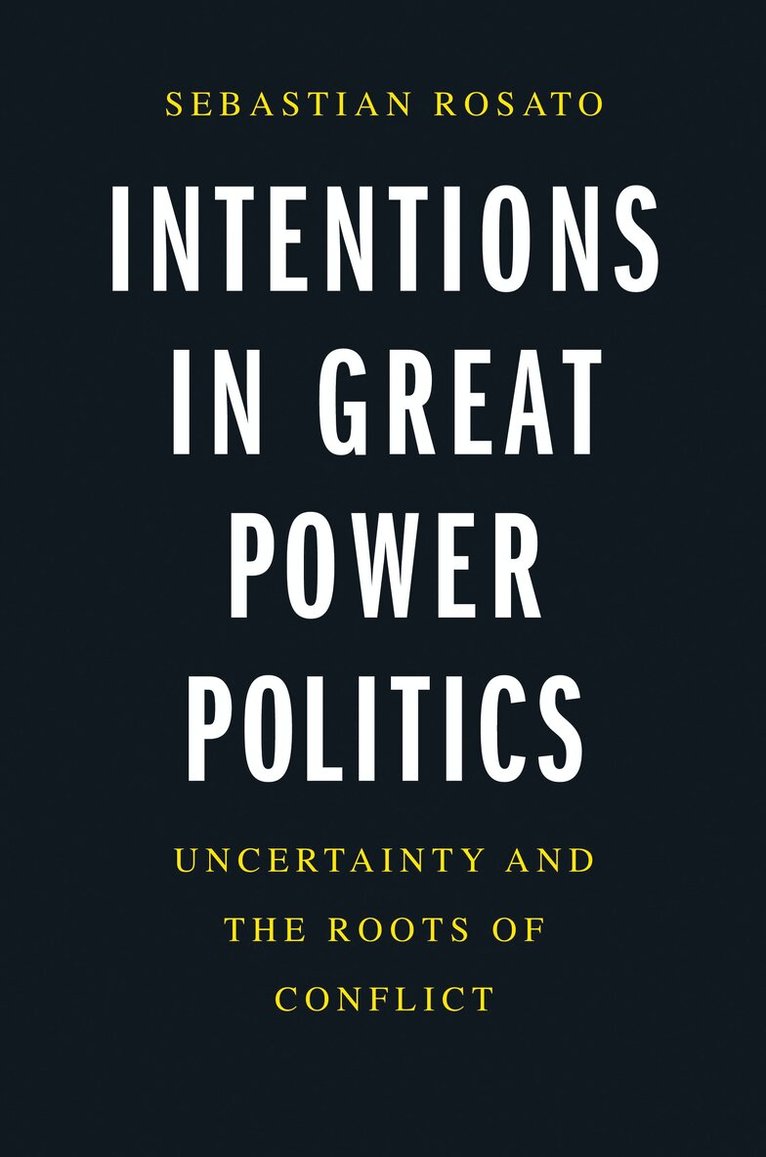
    The construction of the European Community (EC) has widely been understood as the product of either economic self-interest or dissatisfaction with the nation-state system. In Europe United, Sebastian Rosato challenges these conventional explanations, arguing that the Community came into being because of balance of power concerns. France and the Federal Republic of Germany—the two key protagonists in the story—established the EC at the height of the cold war as a means to balance against the Soviet Union and one another.More generally, Rosato argues that international institutions, whether military or economic, largely reflect the balance of power. In his view, states establish institutions in order to maintain or increase their share of world power, and the shape of those institutions reflects the wishes of their most powerful members. Rosato applies this balance of power theory of cooperation to several other cooperative ventures since 1789, including various alliances and trade pacts, the unifications of Italy and Germany, and the founding of the United States. Rosato concludes by arguing that the demise of the Soviet Union has deprived the EC of its fundamental purpose. As a result, further moves toward political and military integration are improbable, and the economic community is likely to unravel to the point where it becomes a shadow of its former self.
    Produktinformation

    • Utgivningsdatum:2012-09-20
    • Mått:155 x 235 x 18 mm
    • Vikt:454 g
    • Format:Häftad
    • Språk:Engelska
    • Serie:Cornell Studies in Security Affairs
    • Antal sidor:280
    • Förlag:Cornell University Press
    • ISBN:9780801478499

    Utforska kategorier

    • Europas historia inom Historia och arkeologi
    • Krig och försvar inom Samhälle och politik
    • Internationella relationer inom Samhälle och politik

    Mer om författaren

    Sebastian Rosato is Associate Professor of Political Science at the University of Notre Dame, where he is also Director of the Notre Dame International Security Program and a faculty fellow of the Joan B. Kroc Institute for International Peace Studies and the Nanovic Institute for European Studies.

    Recensioner i media

    In this important work, Rosato attempts to explain European integration since 1945 in realist (balance of power) terms. His thorough examination of the diplomatic and archival record shows that, facing an adversary with an overwhelming military superiority (the USSR), Western European leaders saw the need to form a centralized balancing coalition able to deter the USSR event without US help (although NATO provided useful protection while the coalition was assembled).... With respect to alternative explanations... ideational transformation away from the folly of nationalism and war, as argued by Robert Kagan, Jeremy Rifkin, and others is, Rosato says, flatly contradicted by the facts.... Summing up: Essential.(Choice)

    Innehållsförteckning

    • 1. Introduction2. Explaining International Cooperation3. Origins: Heavy-Industry Integration, 1945–19504. Setback: Military Integration, 1950–19545. Triumph: Economic Integration, 1955–19576. Beyond Postwar Eu ropeIndex