• Fri frakt över 249 kr
  • •
  • Snabba leveranser
  • •
  • Billiga böcker
Kundservice

Du är på sajten för privatpersoner.

Företag, bibliotek eller offentlig verksamhet?

Du handlar på classic.bokus.com, där alla dina funktioner finns intakta.
Till classic.bokus.com
Bokus logotyp. Gå till startsidan.
  • Erbjudanden
  • Nyheter
  • Student
  • Topplistor
  • Barn & ungdom
  • Bokus Play
  • E-böcker
  • Pocketböcker
  • Spel & pussel

10% rabatt på allt med kod NYSTART10 →

Sidfot

Mina sidor

    Hjälp

    • Kundservice
    • Vanliga frågor och svar
    • Frakt och leverans
    • Retur vid ångerrätt
    • Reklamera vara
    • Betalning
    • Köpvillkor
    • Allmänna villkor
    • Information om webbplatsens tillgänglighet

    Om Bokus

    • Om oss
    • Pressrum
    • För studenter
    • För företag
    • För bibliotek och offentlig verksamhet
    • För leverantörer
    • Hållbarhet

    Populärt

    • Aktuella erbjudanden
    • Presentkort
    • Studentlitteratur
    • Nya böcker
    • Topplistor
    • Signerade böcker
    • Engelska böcker

    Inspiration

    • Boktips
    • BookTok
    • Populära bokserier
    • Barnbokskaraktärer
    • Populära författare
    Logotyp för Bokus
    Följ oss på Facebook (extern länk)Följ oss på Instagram (extern länk)Följ oss på YouTube (extern länk)Följ oss på TikTok (extern länk)
    bokus @ CookiesAnpassa cookiesIntegritetspolicyKöpvillkor
    Till Citymail hemsida (extern länk)Till Budbee hemsida (extern länk)Till Postnord hemsida (extern länk)Till Schenker hemsida (extern länk)Till Early Bird hemsida (extern länk)Till Walleys hemsida (extern länk)
    1. Ekonomi och Ledarskap
    2. Nationalekonomi
    3. Mikroekonomi

    Doubly Green Revolution

    Food for All in the Twenty-First Century

    AvGordon Conway

    Häftad, Engelska, 1999

    307 kr

    Beställningsvara. Skickas inom 10-15 vardagar. Fri frakt över 249 kr.

    Beskrivning

    Today more than three quarters of a billion people go hungry in a world where food is plentiful. A distinguished scientist here sets out an agenda for addressing this situation. Initially published in 1997 in the United Kingdom, the book is now available in the first edition produced for the Western hemisphere. In it, the author has updated information to reflect current economic indicators. This volume includes a foreword written for the previous edition by Ismail Serageldin of the World Bank.The original Green Revolution produced new technologies for farmers, creating food abundance. A second transformation of agriculture is now required—specifically, Gordon Conway argues, a "doubly green" revolution that stresses conservation as well as productivity. He calls for researchers and farmers to forge genuine partnerships in an effort to design better plants and animals. He also urges them to develop (or rediscover) alternatives to inorganic fertilizers and pesticides, improve soil and water management, and enhance earning opportunities for the poor, especially women.
    Produktinformation

    • Utgivningsdatum:1999-02-17
    • Mått:130 x 197 x 20 mm
    • Vikt:454 g
    • Format:Häftad
    • Språk:Engelska
    • Antal sidor:352
    • Förlag:Cornell University Press
    • ISBN:9780801486104

    Utforska kategorier

    • Mikroekonomi inom Ekonomi och Ledarskap
    • Miljöekonomi inom Ekonomi och Ledarskap

    Mer om författaren

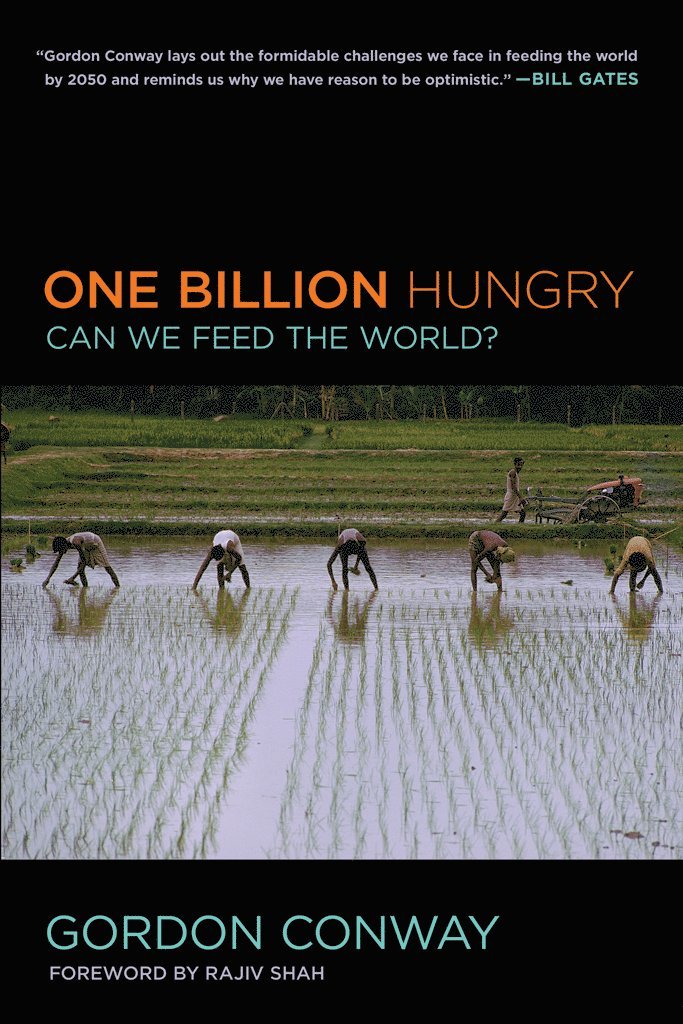
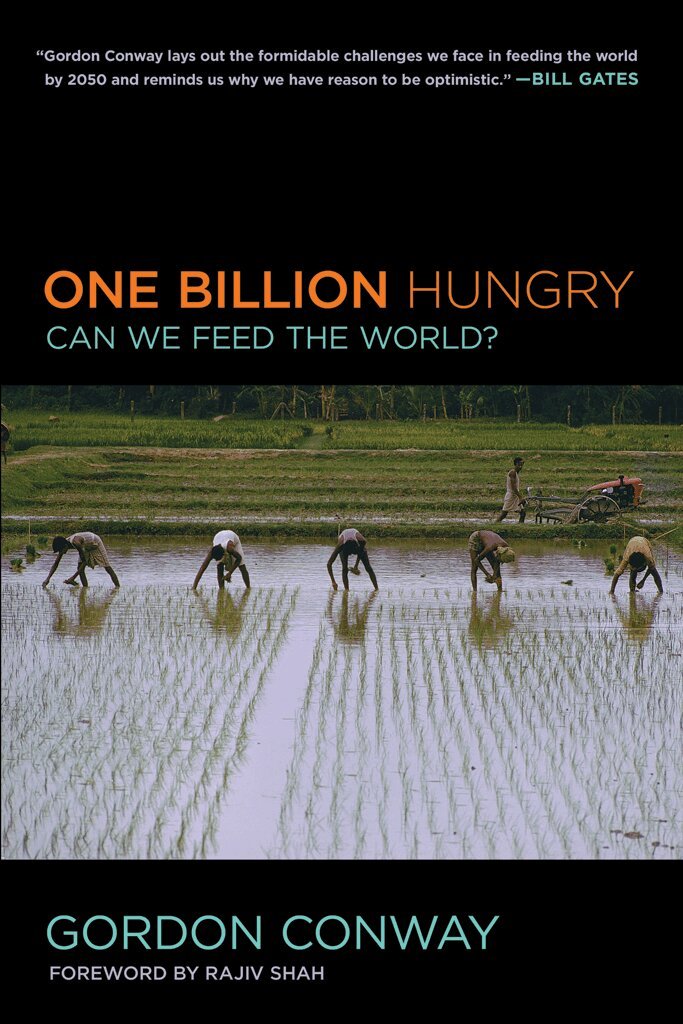
    Sir Gordon Conway is President of the Rockefeller Foundation in New York City and Professor of International Development at Imperial College, London. An agricultural ecologist with over thirty years of experience in development programs in Asia and Africa, he pioneered Integrated Pest Management and developed the concept of sustainable agriculture. He is also the author of One Billion Hungry: Can We Feed the World? (also from Cornell) and coauthor of Science and Innovation for Development.

    Recensioner i media

    A valuable source book that outlines a comprehensive view of world food production as seen through the needs of the world's hungry.... A book that begins with a disconcerting prediction leaves us instead with a realistic vision of a future where no one goes hungry.