• Fri frakt över 249 kr
  • •
  • Snabba leveranser
  • •
  • Billiga böcker
Kundservice

Du är på sajten för privatpersoner.

Företag, bibliotek eller offentlig verksamhet?

Du handlar på classic.bokus.com, där alla dina funktioner finns intakta.
Till classic.bokus.com
Bokus logotyp. Gå till startsidan.
  • Erbjudanden
  • Student
  • Topplistor
  • Barn & ungdom
  • Bokus Play
  • E-böcker
  • Ljudböcker
  • Pocketböcker
  • Spel och pussel

Pocketfynda! Hundratals böcker för 49 kr/st →

Sidfot

Mina sidor

    Hjälp

    • Kundservice
    • Vanliga frågor och svar
    • Frakt och leverans
    • Retur vid ångerrätt
    • Reklamera vara
    • Betalning
    • Köpvillkor
    • Allmänna villkor
    • Information om webbplatsens tillgänglighet

    Om Bokus

    • Om oss
    • Pressrum
    • För studenter
    • För företag
    • För bibliotek och offentlig verksamhet
    • För leverantörer
    • Hållbarhet

    Populärt

    • Aktuella erbjudanden
    • Presentkort
    • Studentlitteratur
    • Nya böcker
    • Topplistor
    • Signerade böcker
    • Engelska böcker

    Inspiration

    • Boktips
    • BookTok
    • Barnbokskaraktärer
    • Populära författare
    Logotyp för Bokus
    Följ oss på Facebook (extern länk)Följ oss på Instagram (extern länk)Följ oss på YouTube (extern länk)Följ oss på TikTok (extern länk)
    bokus @ CookiesAnpassa cookiesIntegritetspolicyKöpvillkor
    Till Citymail hemsida (extern länk)Till Budbee hemsida (extern länk)Till Postnord hemsida (extern länk)Till Schenker hemsida (extern länk)Till Early Bird hemsida (extern länk)Till Walleys hemsida (extern länk)
    1. Skönlitteratur
    2. Litteraturvetenskap
    3. Litteraturvetenskap

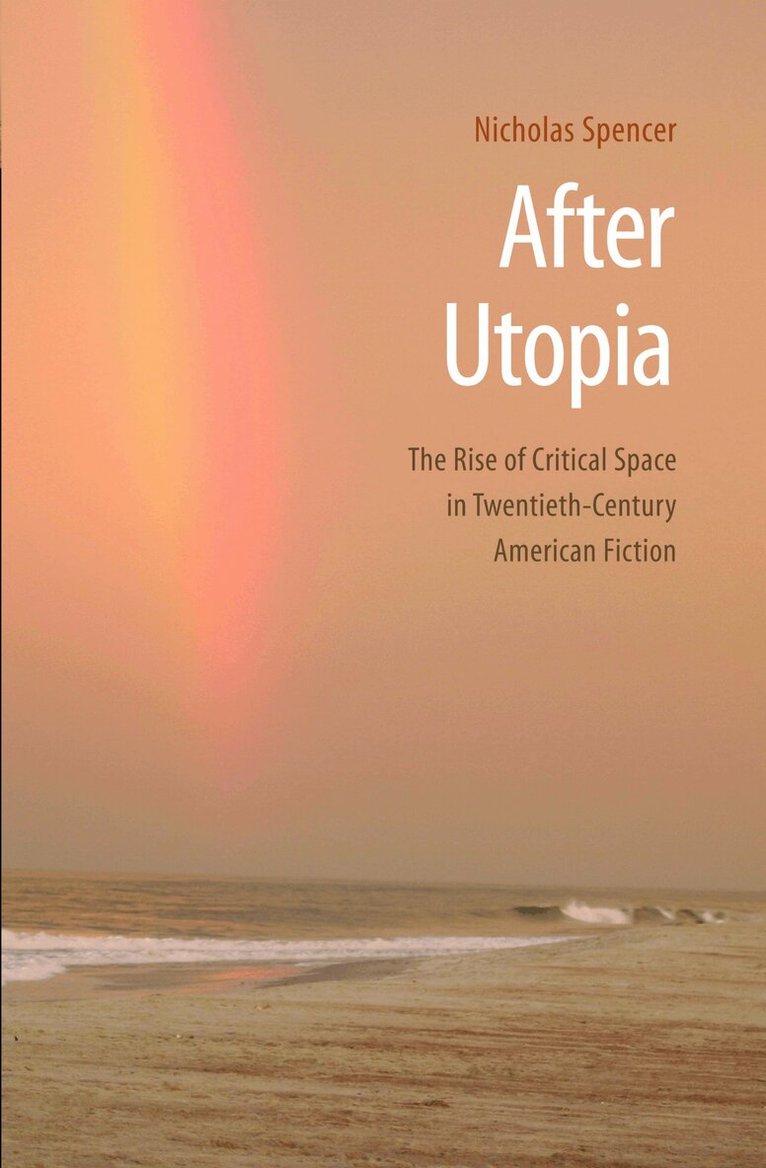
    After Utopia

    The Rise of Critical Space in Twentieth-Century American Fiction

    AvNicholas Spencer

    Häftad, Engelska, 2008

    310 kr

    Beställningsvara. Skickas inom 10-15 vardagar. Fri frakt över 249 kr.

    Fler format och utgåvor

    Inbunden

    580 kr

    Beskrivning

    By developing the concept of critical space, After Utopia presents a new genealogy of twentieth-century American fiction. Nicholas Spencer argues that the radical American fiction of Jack London, Upton Sinclair, John Dos Passos, and Josephine Herbst reimagines the spatial concerns of late nineteenth-century utopian American texts. Instead of fully imagined utopian societies, such fiction depicts localized utopian spaces that provide essential support for the models of history on which these authors focus. In the midcentury novels of Mary McCarthy and Paul Goodman and the late twentieth-century fiction of Thomas Pynchon, William Gaddis, Joan Didion, and Don DeLillo, narratives of social space become decreasingly utopian and increasingly critical. The highly varied "critical space" of such texts attains a position similar to that enjoyed by representations of historical transformation in early twentieth-century radical American fiction. After Utopia finds that central aspects of postmodern American novels derive from the overtly political narratives of London, Sinclair, Dos Passos, and Herbst. Spencer focuses on distinct moments in the rise of critical space during the past century and relates them to the writing of Georg Lukács, Ernst Bloch, Antonio Gramsci, Hannah Arendt, Henri Lefebvre, Gilles Deleuze and Félix Guattari, and Paul Virilio. The systematic and genealogical encounter between critical theory and American fiction reveals close parallels between and original analyses of these two areas of twentieth-century cultural discourse.

    Produktinformation

    • Utgivningsdatum:2008-12-01
    • Mått:152 x 229 x 16 mm
    • Vikt:418 g
    • Format:Häftad
    • Språk:Engelska
    • Antal sidor:276
    • Förlag:University of Nebraska Press
    • ISBN:9780803220768

    Utforska kategorier

    • Litteraturvetenskap inom Skönlitteratur

    Mer om författaren

    Nicholas Spencer is an associate professor of English at the University of Nebraska–Lincoln, where he specializes in twentieth-century American literature and critical theory.

    Innehållsförteckning

    • One. Utopian Naturalism in Conflict: Jack London and Upton Sinclair; Two. Hegemony, Culture, Space: John Dos Passos and Josephine Herbst; Three. The Divergence of Social Space: Mary McCarthy and Paul Goodman; Four. Realizing Abstract Space: Thomas Pynchon and William Gaddis; Five. Territoriality and the Lost Dimension: Joan Didion and Don DeLillo