Nicholas Spencer – författare
Visar alla böcker från författaren Nicholas Spencer. Handla med fri frakt och snabb leverans.
5 produkter
5 produkter
300 kr
Skickas inom 10-15 vardagar
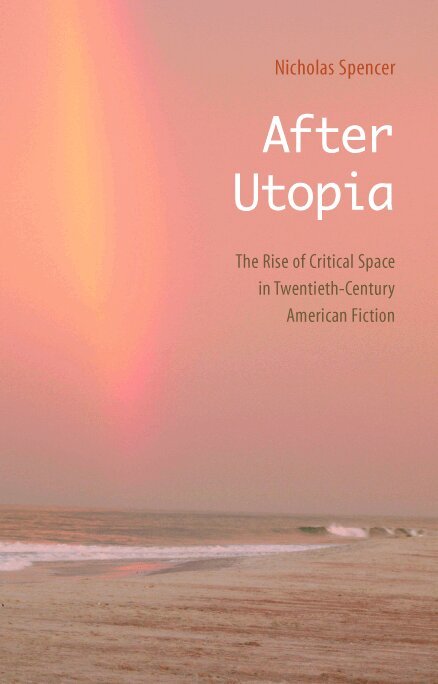
By developing the concept of critical space, After Utopia presents a new genealogy of twentieth-century American fiction. Nicholas Spencer argues that the radical American fiction of Jack London, Upton Sinclair, John Dos Passos, and Josephine Herbst reimagines the spatial concerns of late nineteenth-century utopian American texts. Instead of fully imagined utopian societies, such fiction depicts localized utopian spaces that provide essential support for the models of history on which these authors focus. In the midcentury novels of Mary McCarthy and Paul Goodman and the late twentieth-century fiction of Thomas Pynchon, William Gaddis, Joan Didion, and Don DeLillo, narratives of social space become decreasingly utopian and increasingly critical. The highly varied "critical space" of such texts attains a position similar to that enjoyed by representations of historical transformation in early twentieth-century radical American fiction. After Utopia finds that central aspects of postmodern American novels derive from the overtly political narratives of London, Sinclair, Dos Passos, and Herbst. Spencer focuses on distinct moments in the rise of critical space during the past century and relates them to the writing of Georg Lukács, Ernst Bloch, Antonio Gramsci, Hannah Arendt, Henri Lefebvre, Gilles Deleuze and Félix Guattari, and Paul Virilio. The systematic and genealogical encounter between critical theory and American fiction reveals close parallels between and original analyses of these two areas of twentieth-century cultural discourse.
After Utopia
The Rise of Critical Space in Twentieth-Century American Fiction
Inbunden, Engelska, 2006
562 kr
Skickas inom 10-15 vardagar
By developing the concept of critical space, After Utopia presents a new genealogy of twentieth-century American fiction. Nicholas Spencer argues that the radical American fiction of Jack London, Upton Sinclair, John Dos Passos, and Josephine Herbst reimagines the spatial concerns of late nineteenth-century utopian American texts. Instead of fully imagined utopian societies, such fiction depicts localized utopian spaces that provide essential support for the models of history on which these authors focus. In the midcentury novels of Mary McCarthy and Paul Goodman and the late twentieth-century fiction of Thomas Pynchon, William Gaddis, Joan Didion, and Don DeLillo, narratives of social space become decreasingly utopian and increasingly critical. The highly varied "critical space" of such texts attains a position similar to that enjoyed by representations of historical transformation in early twentieth-century radical American fiction. After Utopia finds that central aspects of postmodern American novels derive from the overtly political narratives of London, Sinclair, Dos Passos, and Herbst. Spencer focuses on distinct moments in the rise of critical space during the past century and relates them to the writing of Georg Lukács, Ernst Bloch, Antonio Gramsci, Hannah Arendt, Henri Lefebvre, Gilles Deleuze and Félix Guattari, and Paul Virilio. The systematic and genealogical encounter between critical theory and American fiction reveals close parallels between and original analyses of these two areas of twentieth-century cultural discourse.
128 kr
Skickas
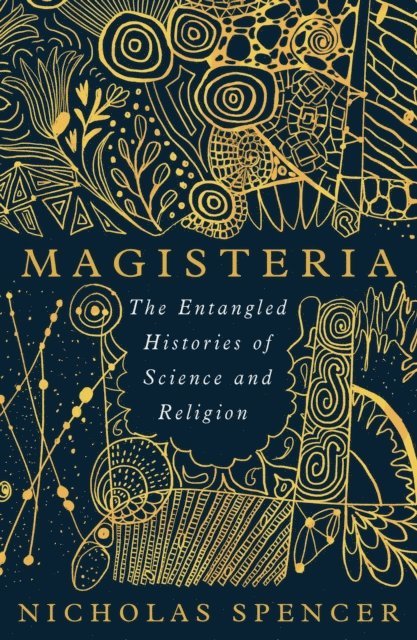
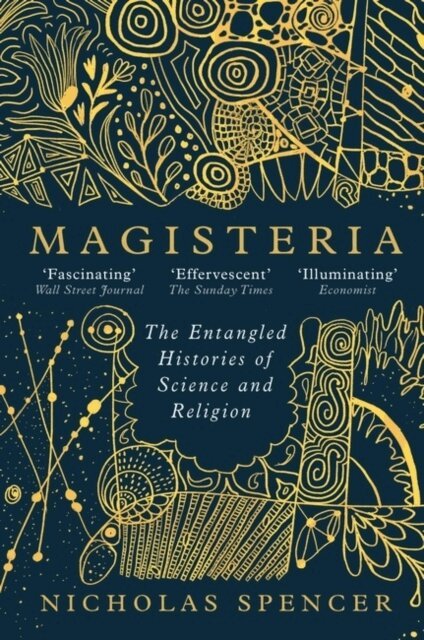
Most things you ‘know’ about science and religion are myths or half-truths that grew up in the last years of the nineteenth century and remain widespread today.‘A deeply researched history of the interplay between the two ways of understanding the world.’ ECONOMIST, BEST BOOKS OF 2023The true history of science and religion is a human one. It’s about the role of religion in inspiring, and strangling, science before the scientific revolution. It’s about the sincere but eccentric faith and the quiet, creeping doubts of the most brilliant scientists in history – Galileo, Newton, Faraday, Darwin, Maxwell, Einstein. Above all it’s about the question of what it means to be human and who gets to say – a question that is more urgent in the twenty-first century than ever before.From eighth-century Baghdad to the frontiers of AI today, via medieval Europe, nineteenth-century India and Soviet Russia, Magisteria sheds new light on this complex historical landscape. Rejecting the thesis that science and religion are inevitably at war, Nicholas Spencer illuminates a compelling and troubled relationship that has definitively shaped human history.
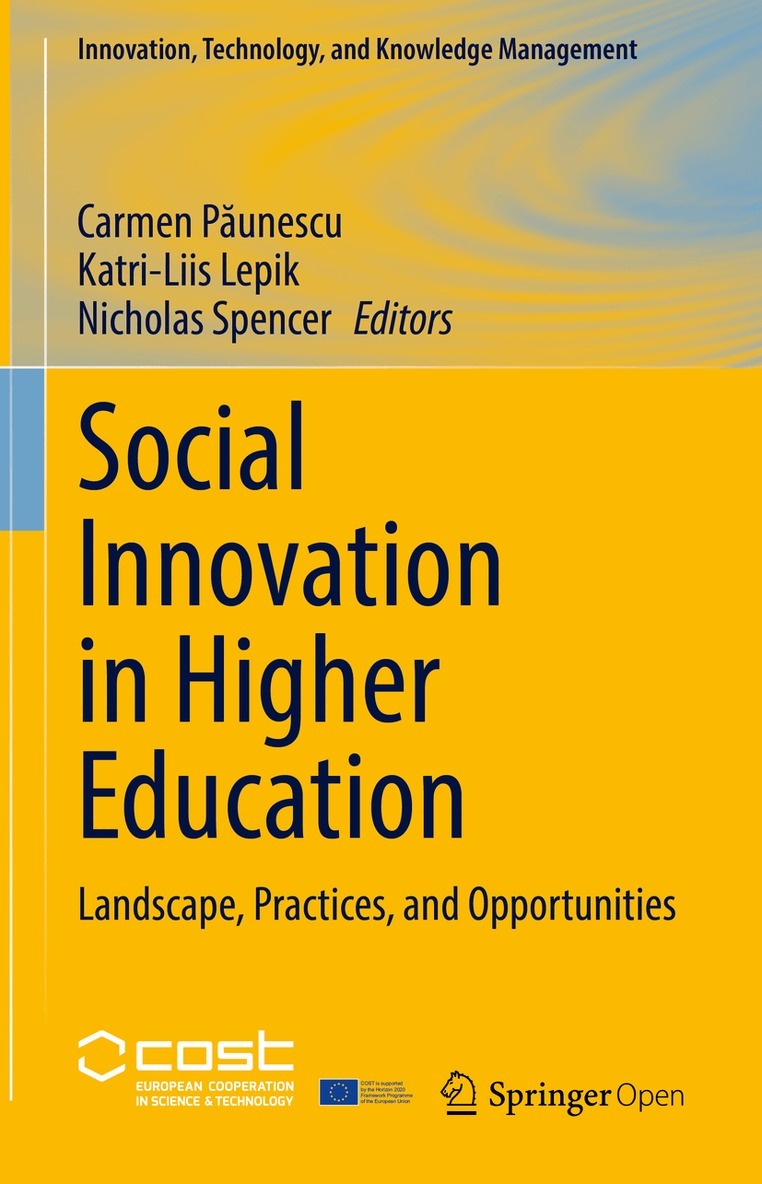
Social Innovation in Higher Education
Landscape, Practices, and Opportunities
Inbunden, Engelska, 2021
519 kr
Skickas inom 10-15 vardagar
This open access book offers unique and novel views on the social innovation landscape, tools, practices, pedagogies, and research in the context of higher education.
417 kr
Skickas inom 10-15 vardagar
This open access book offers unique and novel views on the social innovation landscape, tools, practices, pedagogies, and research in the context of higher education.