• Fri frakt över 249 kr
  • •
  • Snabba leveranser
  • •
  • Billiga böcker
Kundservice

Du är på sajten för privatpersoner.

Företag, bibliotek eller offentlig verksamhet?

Du handlar på classic.bokus.com, där alla dina funktioner finns intakta.
Till classic.bokus.com
Bokus logotyp. Gå till startsidan.
  • Erbjudanden
  • Nyheter
  • Student
  • Topplistor
  • Barn & ungdom
  • Bokus Play
  • E-böcker
  • Pocketböcker
  • Spel & pussel

10% rabatt på allt med kod: NYSTART10 →

Sidfot

Mina sidor

    Hjälp

    • Kundservice
    • Vanliga frågor och svar
    • Frakt och leverans
    • Retur vid ångerrätt
    • Reklamera vara
    • Betalning
    • Köpvillkor
    • Allmänna villkor
    • Information om webbplatsens tillgänglighet

    Om Bokus

    • Om oss
    • Pressrum
    • För studenter
    • För företag
    • För bibliotek och offentlig verksamhet
    • För leverantörer
    • Hållbarhet

    Populärt

    • Aktuella erbjudanden
    • Presentkort
    • Studentlitteratur
    • Nya böcker
    • Topplistor
    • Signerade böcker
    • Engelska böcker

    Inspiration

    • Boktips
    • BookTok
    • Populära bokserier
    • Barnbokskaraktärer
    • Populära författare
    Logotyp för Bokus
    Följ oss på Facebook (extern länk)Följ oss på Instagram (extern länk)Följ oss på YouTube (extern länk)Följ oss på TikTok (extern länk)
    bokus @ CookiesAnpassa cookiesIntegritetspolicyKöpvillkor
    Till Citymail hemsida (extern länk)Till Budbee hemsida (extern länk)Till Postnord hemsida (extern länk)Till Schenker hemsida (extern länk)Till Early Bird hemsida (extern länk)Till Walleys hemsida (extern länk)
    1. Naturvetenskap och teknik
    2. Matematik och naturvetenskap
    3. Naturvetenskap:allmänt
    4. Naturvetenskapens filosofi

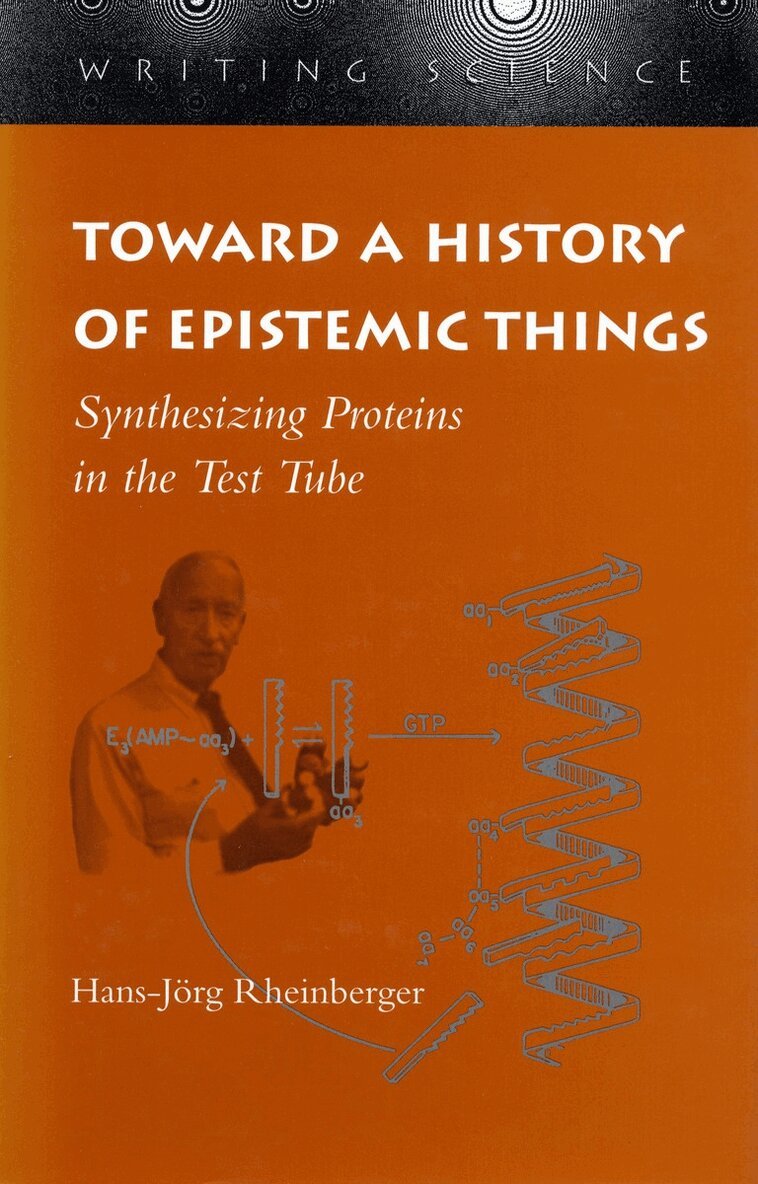
    Toward a History of Epistemic Things

    Synthesizing Proteins in the Test Tube

    AvHans-Jörg Rheinberger

    Häftad, Engelska, 1997

    Del i serien Writing Science

    376 kr

    Beställningsvara. Skickas inom 5-8 vardagar. Fri frakt över 249 kr.

    Beskrivning

    In this powerful work of conceptual and analytical originality, the author argues for the primacy of the material arrangements of the laboratory in the dynamics of modern molecular biology. In a post-Kuhnian move away from the hegemony of theory, he develops a new epistemology of experimentation in which research is treated as a process for producing epistemic things.A central concern of the book is the basic question of how novelty is generated in the empirical sciences. In addressing this question, the author brings French poststructuralist thinking—notably Jacques Derrida's concepts of "différance" and "historiality"—to bear on the construction of epistemic things. Historiographical perspective shifts from the actors' minds to their objects of manipulation.These epistemological and historical issues are illuminated in a detailed case study of a particular laboratory, that of the oncologist and biochemist Paul C. Zamecnik and his colleagues, located in a specific setting—the Collis P. Huntington Memorial Hospital of Harvard University at the Massachusetts General Hospital of Boston. The author traces how, between 1945 and 1965, this group developed an experimental system for synthesizing proteins in the test tube that put Zamecnik's research team at the forefront of those who led biochemistry into the era of molecular biology.

    Produktinformation

    • Utgivningsdatum:1997-07-01
    • Mått:153 x 229 x 20 mm
    • Vikt:460 g
    • Format:Häftad
    • Språk:Engelska
    • Serie:Writing Science
    • Antal sidor:340
    • Förlag:Stanford University Press
    • ISBN:9780804727860

    Utforska kategorier

    • Naturvetenskapens filosofi inom Naturvetenskap och teknik

    Recensioner i media

    "This is one of the most profound works in the history and philosophy of science in decades. One seldom encounters works of such depth and originality; its conceptual framework and analytical tools are truly pathbreaking. The literary style of the work is inspiring in its poetic qualities, and the blend of wit, playfulness, rigor, and succinctness makes for captivating reading."—Lily E. Kay, Massachusetts Institute of Technology

    Innehållsförteckning

    • Contents 1. 2. 3. 4. 5. 6. 7. 8. 9. 10. 11. 12. 13.