• Fri frakt över 249 kr
  • •
  • Snabba leveranser
  • •
  • Billiga böcker
Kundservice

Du är på sajten för privatpersoner.

Företag, bibliotek eller offentlig verksamhet?

Du handlar på classic.bokus.com, där alla dina funktioner finns intakta.
Till classic.bokus.com
Bokus logotyp. Gå till startsidan.
  • Erbjudanden
  • Nyheter
  • Student
  • Topplistor
  • Barn & ungdom
  • Bokus Play
  • E-böcker
  • Pocketböcker
  • Spel & pussel

10% rabatt på allt med kod: NYSTART10 →

Sidfot

Mina sidor

    Hjälp

    • Kundservice
    • Vanliga frågor och svar
    • Frakt och leverans
    • Retur vid ångerrätt
    • Reklamera vara
    • Betalning
    • Köpvillkor
    • Allmänna villkor
    • Information om webbplatsens tillgänglighet

    Om Bokus

    • Om oss
    • Pressrum
    • För studenter
    • För företag
    • För bibliotek och offentlig verksamhet
    • För leverantörer
    • Hållbarhet

    Populärt

    • Aktuella erbjudanden
    • Presentkort
    • Studentlitteratur
    • Nya böcker
    • Topplistor
    • Signerade böcker
    • Engelska böcker

    Inspiration

    • Boktips
    • BookTok
    • Populära bokserier
    • Barnbokskaraktärer
    • Populära författare
    Logotyp för Bokus
    Följ oss på Facebook (extern länk)Följ oss på Instagram (extern länk)Följ oss på YouTube (extern länk)Följ oss på TikTok (extern länk)
    bokus @ CookiesAnpassa cookiesIntegritetspolicyKöpvillkor
    Till Citymail hemsida (extern länk)Till Budbee hemsida (extern länk)Till Postnord hemsida (extern länk)Till Schenker hemsida (extern länk)Till Early Bird hemsida (extern länk)Till Walleys hemsida (extern länk)
    1. Ekonomi och Ledarskap
    2. Företagsekonomi
    3. Redovisning och finansiering
    4. Finansiering

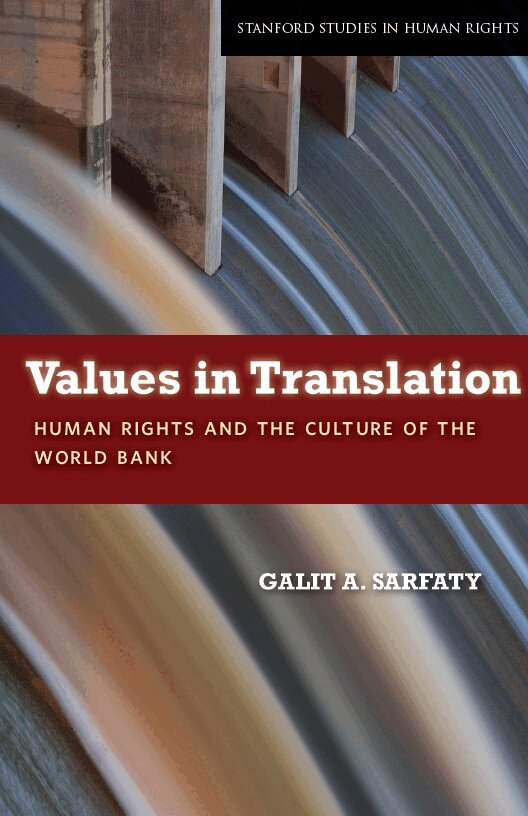
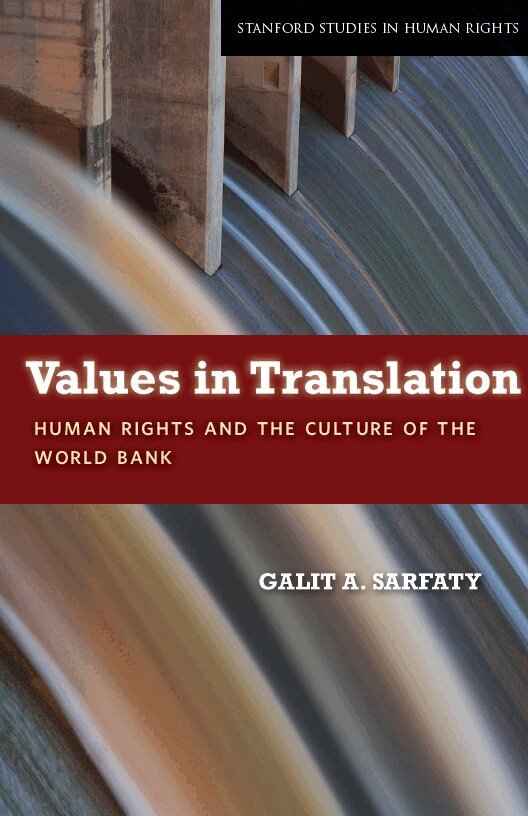
    Values in Translation

    Human Rights and the Culture of the World Bank

    AvGalit Sarfaty

    Inbunden, Engelska, 2012

    Del i serien Stanford Studies in Human Rights

    1 064 kr

    Beställningsvara. Skickas inom 5-8 vardagar. Fri frakt över 249 kr.

    Fler format och utgåvor

    Häftad

    258 kr

    E-bok

    254 kr

    Beskrivning

    The World Bank is the largest lender to developing countries, making loans worth over $20 billion per year to finance development projects around the globe. To guide its investments, the Bank has adopted a number of social and environmental policies, yet it has never instituted any overarching policy on human rights. Despite the potential human rights impact of Bank projects—the forced displacement of indigenous peoples resulting from a Bank-financed dam project, for example—the issue of human rights remains marginal in the Bank's operational practices.Values in Translation analyzes the organizational culture of the World Bank and addresses the question of why it has not adopted a human rights framework. Academics and social advocates have typically focused on legal restrictions in the Bank's Articles of Agreement. This work's anthropological analysis sheds light on internal obstacles including the employee incentive system and a clash of expertise between lawyers and economists over how to define human rights and justify their relevance to the Bank's mission.

    Produktinformation

    • Utgivningsdatum:2012-06-20
    • Mått:140 x 216 x 22 mm
    • Vikt:431 g
    • Format:Inbunden
    • Språk:Engelska
    • Serie:Stanford Studies in Human Rights
    • Antal sidor:216
    • Förlag:Stanford University Press
    • ISBN:9780804763516

    Utforska kategorier

    • Finansiering inom Ekonomi och Ledarskap
    • Rättsvetenskap inom Juridik

    Mer om författaren

    Galit A. Sarfaty is Assistant Professor of Legal Studies and Business Ethics at The Wharton School, University of Pennsylvania.

    Recensioner i media

    "Sarfaty uses anthropological analysis to identify internal obstacles to such a policy, including a clash of expertise between lawyers and economists over how to define human rights and justify their relevance to the Bank's mission."—Law & Social Inquiry "Sarfaty pushes readers' understanding of the [World] Bank and human rights beyond the conventional fixation on the Bank's core mandate and formal rules of operation and cogently analyzes the culture of the Bank to explain successes and failures in the adoption of human rights norms. This book contributes new insights to several fields, including international human rights, global governance, development, and law . . . Highly recommended."—J. R. Strand, CHOICE "Why has the World Bank been so slow to take on human rights? This fascinating ethnography follows the movement of people and ideas within the Bank to show how human rights were 'economized' in order to be heard. It offers great insight into the way organizations work and into the cultural dimensions of law."—Sally Engle Merry, New York University "The book offers a unique inside study of the culture of the World Bank and how it affects the Bank's attitudes toward human rights. It is an important book for those wanting to understand international organizations, human rights, and development."—Edith Brown Weiss, Professor of International Law at Georgetown University Law Center; Former President of the World Bank Inspection Panel