• Fri frakt över 249 kr
  • •
  • Snabba leveranser
  • •
  • Billiga böcker
Kundservice

Du är på sajten för privatpersoner.

Företag, bibliotek eller offentlig verksamhet?

Du handlar på classic.bokus.com, där alla dina funktioner finns intakta.
Till classic.bokus.com
Bokus logotyp. Gå till startsidan.
  • Erbjudanden
  • Nyheter
  • Student
  • Topplistor
  • Barn & ungdom
  • Bokus Play
  • E-böcker
  • Pocketböcker
  • Spel & pussel

10% rabatt på allt med kod: NYSTART10 →

Sidfot

Mina sidor

    Hjälp

    • Kundservice
    • Vanliga frågor och svar
    • Frakt och leverans
    • Retur vid ångerrätt
    • Reklamera vara
    • Betalning
    • Köpvillkor
    • Allmänna villkor
    • Information om webbplatsens tillgänglighet

    Om Bokus

    • Om oss
    • Pressrum
    • För studenter
    • För företag
    • För bibliotek och offentlig verksamhet
    • För leverantörer
    • Hållbarhet

    Populärt

    • Aktuella erbjudanden
    • Presentkort
    • Studentlitteratur
    • Nya böcker
    • Topplistor
    • Signerade böcker
    • Engelska böcker

    Inspiration

    • Boktips
    • BookTok
    • Populära bokserier
    • Barnbokskaraktärer
    • Populära författare
    Logotyp för Bokus
    Följ oss på Facebook (extern länk)Följ oss på Instagram (extern länk)Följ oss på YouTube (extern länk)Följ oss på TikTok (extern länk)
    bokus @ CookiesAnpassa cookiesIntegritetspolicyKöpvillkor
    Till Citymail hemsida (extern länk)Till Budbee hemsida (extern länk)Till Postnord hemsida (extern länk)Till Schenker hemsida (extern länk)Till Early Bird hemsida (extern länk)Till Walleys hemsida (extern länk)
    1. Samhälle och politik
    2. Sociologi och antropologi
    3. Sociologi

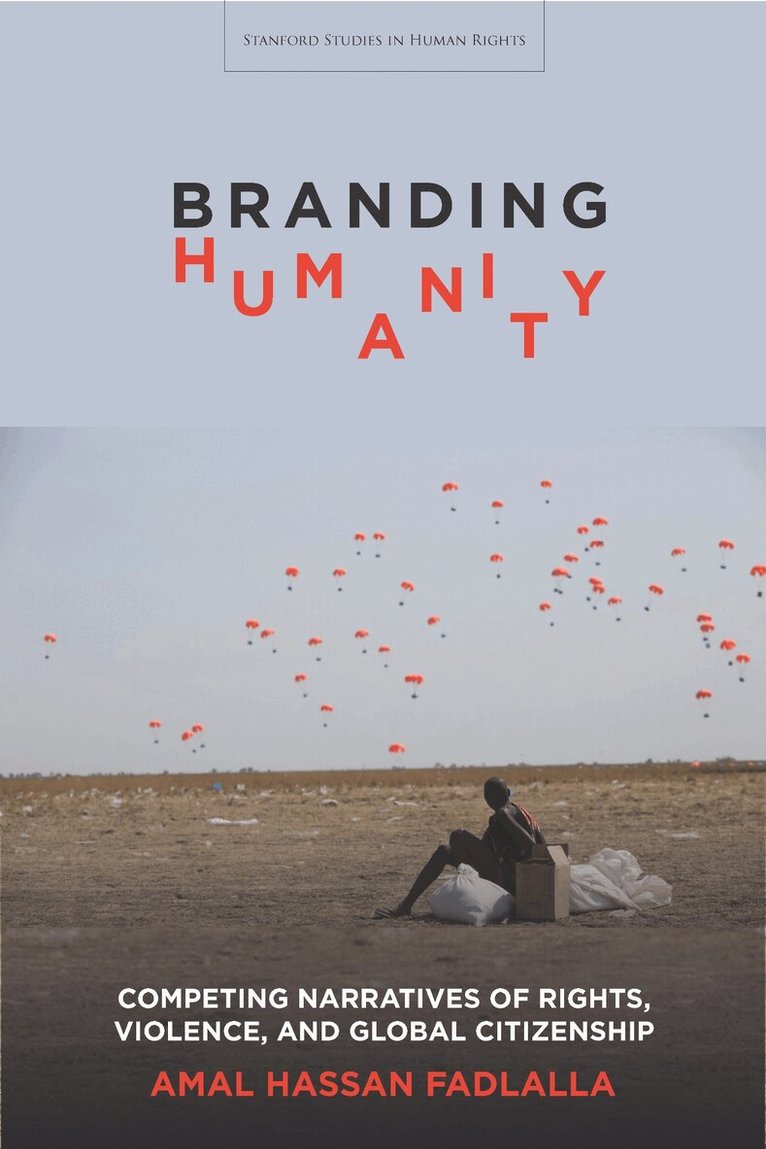
    Branding Humanity

    Competing Narratives of Rights, Violence, and Global Citizenship

    AvAmal Hassan Fadlalla

    Häftad, Engelska, 2018

    Del i serien Stanford Studies in Human Rights

    335 kr

    Beställningsvara. Skickas inom 5-8 vardagar. Fri frakt över 249 kr.

    Fler format och utgåvor

    Inbunden

    1 430 kr

    E-bok

    415 kr

    Beskrivning

    The Save Darfur movement gained an international following, garnering widespread international attention to this remote Sudanese territory. Celebrities and other notable public figures participated in human rights campaigns to combat violence in the region. But how do local activists and those throughout the Sudanese diaspora in the United States situate their own notions of rights, nationalism, and identity?Based on interviews with Sudanese social actors, activists, and their allies in the United States, the Sudan, and online, Branding Humanity traces the global story of violence and the remaking of Sudanese identities. Amal Hassan Fadlalla examines how activists contest, reshape, and reclaim the stories of violence emerging from the Sudan and their identities as migrants. Fadlalla charts the clash and friction of the master-narratives and counter-narratives circulated and mobilized by competing social and political actors negotiating social exclusion and inclusion through their own identity politics and predicament of exile. In exploring the varied and individual experiences of Sudanese activists and allies, Branding Humanity helps us see beyond the oft-monolithic international branding of conflict. Fadlalla asks readers to consider how national and transnational debates about violence circulate, shape, and re-territorialize ethnic identities, disrupt meanings of national belonging, and rearticulate notions of solidarity and global affiliations.

    Produktinformation

    • Utgivningsdatum:2018-11-20
    • Mått:150 x 226 x 25 mm
    • Vikt:499 g
    • Format:Häftad
    • Språk:Engelska
    • Serie:Stanford Studies in Human Rights
    • Antal sidor:312
    • Förlag:Stanford University Press
    • ISBN:9781503607262

    Utforska kategorier

    • Sociologi inom Samhälle och politik
    • Kulturhistoria inom Historia och arkeologi

    Mer om författaren

    Amal Hassan Fadlalla is Associate Professor of Anthropology, Women's Studies, and Afroamerican and African Studies at the University of Michigan. She is the author of Embodying Honor: Fertility, Foreignness, and Regeneration in Eastern Sudan (2007).

    Recensioner i media

    "Branding Humanity is a powerful ethnography of the interplay between humanitarianism and nationalism, where white celebrity cultures, Christian and Muslim humanitarians, racialized diasporas, and translocal actors connect and communicate around and across the imaginaries of Sudan and 'Save Darfur' campaigns. Amal Fadlalla's careful and passionate book should be read by all those interested in the operations of power and empire, and of belonging and citizenship in this new century."—Inderpal Grewal, Yale University "This fascinating book shows how stories of ethnic suffering and sexual violence powerfully shaped public understanding of the conflicts in Darfur and South Sudan. These narratives simplified complex situations and mobilized 'affective violence,' fitting the violence into humanitarian frameworks of suffering victims but ignoring other critical actors, such as transnational Sudanese secularist activists. Branding Humanity provides valuable insight into the way human rights crises are made visible to global publics."—Sally Engle Merry, New York University "Conceptually locating affective violence at the center of...humanitarian campaigns allows Fadlalla to make several important observations about transnational politics....Branding Humanity contains extraordinary detail concerning the many movements, organizations, events and activists involved in transnational Sudanese politics."—Mark Drury, PoLAR

    Innehållsförteckning

    • Introduction: Violence Narratives and the Cultural Politics of Identity1. Performing Humanity: Suffering and the Making of Global Citizens2. Humanitarian Publics: Celebrities, Solidarities, and Students3. Diaspora as Counter-Response: Citizenship Rights and the Suffering of Ghurba4. Contested Borders of Inhumanity: Refuge and the Production and Circulation of Violence Narratives5. Toward an Inclusive Humanist Future: Borders, Bodies, and Funerals