Amal Hassan Fadlalla - Böcker
Visar alla böcker från författaren Amal Hassan Fadlalla. Handla med fri frakt och snabb leverans.
3 produkter
3 produkter
585 kr
Skickas inom 7-10 vardagar
In the Red Sea Hills of eastern Sudan, where poverty, famines, and conflict loom large, women struggle to gain the status of responsible motherhood through bearing and raising healthy children, especially sons. But biological fate can be capricious in impoverished settings. Amidst struggle for survival and expectations of heroic mothering, women face realities that challenge their ability to fulfill their prescribed roles. Even as the effects of modernity and development, global inequities, and exclusionary government policies challenge traditional ways of life in eastern Sudan and throughout many parts of Africa, reproductive traumas - infertility, miscarriage, children's illnesses, and mortality - disrupt women's reproductive health and impede their efforts to achieve the status that comes with fertility and motherhood. In ""Embodying Honor"" Amal Hassan Fadlalla finds that the female body is the locus of anxieties about foreign dangers and diseases, threats perceived to be disruptive to morality, feminine identities, and social well-being. As a ""northern Sudanese"" viewed as an outsider in this region of her native country, Fadlalla presents an intimate portrait and thorough analysis that offers an intriguing commentary on the very notion of what constitutes the ""foreign."" Fadlalla shows how Muslim Hadendowa women manage health and reproductive suffering in their quest to become ""responsible"" mothers and valued members of their communities. Her historically grounded ethnography delves into women's reproductive histories, personal narratives, and ritual logics to reveal the ways in which women challenge cultural understandings of gender, honor, and reproduction.
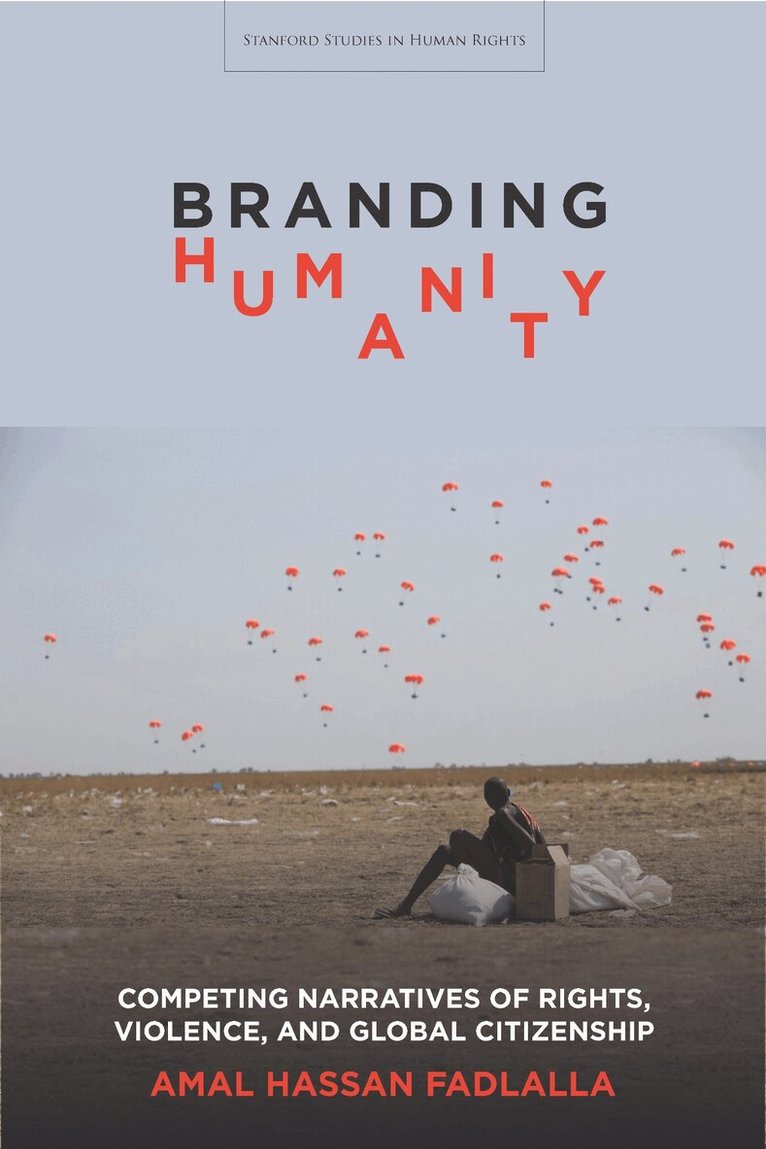
Branding Humanity
Competing Narratives of Rights, Violence, and Global Citizenship
Inbunden, Engelska, 2018
1 372 kr
Skickas inom 7-10 vardagar
The Save Darfur movement gained an international following, garnering widespread international attention to this remote Sudanese territory. Celebrities and other notable public figures participated in human rights campaigns to combat violence in the region. But how do local activists and those throughout the Sudanese diaspora in the United States situate their own notions of rights, nationalism, and identity?Based on interviews with Sudanese social actors, activists, and their allies in the United States, the Sudan, and online, Branding Humanity traces the global story of violence and the remaking of Sudanese identities. Amal Hassan Fadlalla examines how activists contest, reshape, and reclaim the stories of violence emerging from the Sudan and their identities as migrants. Fadlalla charts the clash and friction of the master-narratives and counter-narratives circulated and mobilized by competing social and political actors negotiating social exclusion and inclusion through their own identity politics and predicament of exile. In exploring the varied and individual experiences of Sudanese activists and allies, Branding Humanity helps us see beyond the oft-monolithic international branding of conflict. Fadlalla asks readers to consider how national and transnational debates about violence circulate, shape, and re-territorialize ethnic identities, disrupt meanings of national belonging, and rearticulate notions of solidarity and global affiliations.
Branding Humanity
Competing Narratives of Rights, Violence, and Global Citizenship
Häftad, Engelska, 2018
322 kr
Skickas inom 7-10 vardagar
The Save Darfur movement gained an international following, garnering widespread international attention to this remote Sudanese territory. Celebrities and other notable public figures participated in human rights campaigns to combat violence in the region. But how do local activists and those throughout the Sudanese diaspora in the United States situate their own notions of rights, nationalism, and identity?Based on interviews with Sudanese social actors, activists, and their allies in the United States, the Sudan, and online, Branding Humanity traces the global story of violence and the remaking of Sudanese identities. Amal Hassan Fadlalla examines how activists contest, reshape, and reclaim the stories of violence emerging from the Sudan and their identities as migrants. Fadlalla charts the clash and friction of the master-narratives and counter-narratives circulated and mobilized by competing social and political actors negotiating social exclusion and inclusion through their own identity politics and predicament of exile. In exploring the varied and individual experiences of Sudanese activists and allies, Branding Humanity helps us see beyond the oft-monolithic international branding of conflict. Fadlalla asks readers to consider how national and transnational debates about violence circulate, shape, and re-territorialize ethnic identities, disrupt meanings of national belonging, and rearticulate notions of solidarity and global affiliations.