• Fri frakt över 249 kr
  • •
  • Snabba leveranser
  • •
  • Billiga böcker
Kundservice

Du är på sajten för privatpersoner.

Företag, bibliotek eller offentlig verksamhet?

Du handlar på classic.bokus.com, där alla dina funktioner finns intakta.
Till classic.bokus.com
Bokus logotyp. Gå till startsidan.
  • Erbjudanden
  • Nyheter
  • Student
  • Topplistor
  • Barn & ungdom
  • Bokus Play
  • E-böcker
  • Pocketböcker
  • Spel & pussel

10% rabatt på allt med kod: NYSTART10 →

Sidfot

Mina sidor

    Hjälp

    • Kundservice
    • Vanliga frågor och svar
    • Frakt och leverans
    • Retur vid ångerrätt
    • Reklamera vara
    • Betalning
    • Köpvillkor
    • Allmänna villkor
    • Information om webbplatsens tillgänglighet

    Om Bokus

    • Om oss
    • Pressrum
    • För studenter
    • För företag
    • För bibliotek och offentlig verksamhet
    • För leverantörer
    • Hållbarhet

    Populärt

    • Aktuella erbjudanden
    • Presentkort
    • Studentlitteratur
    • Nya böcker
    • Topplistor
    • Signerade böcker
    • Engelska böcker

    Inspiration

    • Boktips
    • BookTok
    • Populära bokserier
    • Barnbokskaraktärer
    • Populära författare
    Logotyp för Bokus
    Följ oss på Facebook (extern länk)Följ oss på Instagram (extern länk)Följ oss på YouTube (extern länk)Följ oss på TikTok (extern länk)
    bokus @ CookiesAnpassa cookiesIntegritetspolicyKöpvillkor
    Till Citymail hemsida (extern länk)Till Budbee hemsida (extern länk)Till Postnord hemsida (extern länk)Till Schenker hemsida (extern länk)Till Early Bird hemsida (extern länk)Till Walleys hemsida (extern länk)
    1. Historia och arkeologi
    2. Historia
    3. Europas historia

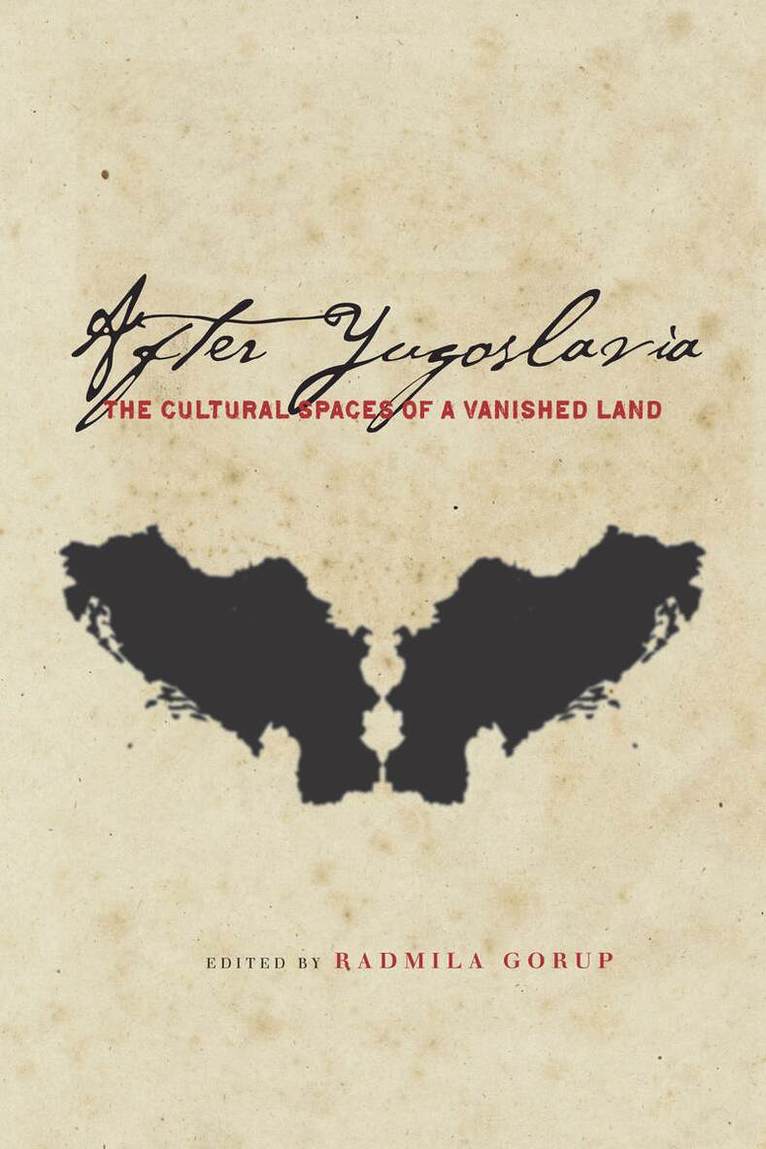
    After Yugoslavia

    The Cultural Spaces of a Vanished Land

    AvRadmila Gorup

    Inbunden, Engelska, 2013

    Del i serien Stanford Studies on Central and Eastern Europe

    853 kr

    Beställningsvara. Skickas inom 5-8 vardagar. Fri frakt över 249 kr.

    Beskrivning

    The book brings together many of the best known commentators and scholars who write about former Yugoslavia. The essays focus on the post-Yugoslav cultural transition and try to answer questions about what has been gained and what has been lost since the dissolution of the common country. Most of the contributions can be seen as current attempts to make sense of the past and help cultures in transition, as well as to report on them.The volume is a mixture of personal essays and scholarly articles and that combination of genres makes the book both moving and informative. Its importance is unique. While many studies dwell on the causes of the demise of Yugoslavia, this collection touches upon these causes but goes beyond them to identify Yugoslavia's legacy in a comprehensive way. It brings topics and writers, usually treated separately, into fruitful dialog with one another.

    Produktinformation

    • Utgivningsdatum:2013-06-12
    • Mått:152 x 229 x 26 mm
    • Vikt:603 g
    • Format:Inbunden
    • Språk:Engelska
    • Serie:Stanford Studies on Central and Eastern Europe
    • Antal sidor:368
    • Förlag:Stanford University Press
    • ISBN:9780804784023

    Utforska kategorier

    • Europas historia inom Historia och arkeologi

    Mer om författaren

    Radmila Gorup is Senior Lecturer at the Department of Slavic Languages and Literatures at Columbia University.

    Recensioner i media

    "The scope of After Yugoslavia and its sectional organization are both major contributions, and scholars of the region's history, literature, language, and culture will appreciate the volume . . . the volume times gives readers the sense that lasting supranational projects are a thing of the past, and memories of Yugoslavia are more often personal than shared."—Ante Postema, Slavic and East European Journal "This volume is an important corrective to the literature that stresses the supposed cultural incompatibilities and tensions in the Balkans . . . Highly recommended."—R. M. Hayden, CHOICE "This collection brings together a remarkable roster of writers and scholars to consider the past, present, and future of the diverse yet closely interconnected cultural spaces that the dissolution of Yugoslavia left behind. There have been many attempts to explain the causes and character of Yugoslavia's demise, but so far few have identified—let alone analyzed or interpreted—Yugoslavia's legacy in such comprehensive, nuanced, and stimulating terms."—Wendy Bracewell, University College London