• Fri frakt över 249 kr
  • •
  • Snabba leveranser
  • •
  • Billiga böcker
Kundservice

Du är på sajten för privatpersoner.

Företag, bibliotek eller offentlig verksamhet?

Du handlar på classic.bokus.com, där alla dina funktioner finns intakta.
Till classic.bokus.com
Bokus logotyp. Gå till startsidan.
  • Erbjudanden
  • Nyheter
  • Student
  • Topplistor
  • Barn & ungdom
  • Bokus Play
  • E-böcker
  • Pocketböcker
  • Spel & pussel

10% rabatt på allt med kod NYSTART10 →

Sidfot

Mina sidor

    Hjälp

    • Kundservice
    • Vanliga frågor och svar
    • Frakt och leverans
    • Retur vid ångerrätt
    • Reklamera vara
    • Betalning
    • Köpvillkor
    • Allmänna villkor
    • Information om webbplatsens tillgänglighet

    Om Bokus

    • Om oss
    • Pressrum
    • För studenter
    • För företag
    • För bibliotek och offentlig verksamhet
    • För leverantörer
    • Hållbarhet

    Populärt

    • Aktuella erbjudanden
    • Presentkort
    • Studentlitteratur
    • Nya böcker
    • Topplistor
    • Signerade böcker
    • Engelska böcker

    Inspiration

    • Boktips
    • BookTok
    • Populära bokserier
    • Barnbokskaraktärer
    • Populära författare
    Logotyp för Bokus
    Följ oss på Facebook (extern länk)Följ oss på Instagram (extern länk)Följ oss på YouTube (extern länk)Följ oss på TikTok (extern länk)
    bokus @ CookiesAnpassa cookiesIntegritetspolicyKöpvillkor
    Till Citymail hemsida (extern länk)Till Budbee hemsida (extern länk)Till Postnord hemsida (extern länk)Till Schenker hemsida (extern länk)Till Early Bird hemsida (extern länk)Till Walleys hemsida (extern länk)
    1. Språk och ordböcker
    2. Språkvetenskap och lingvistik

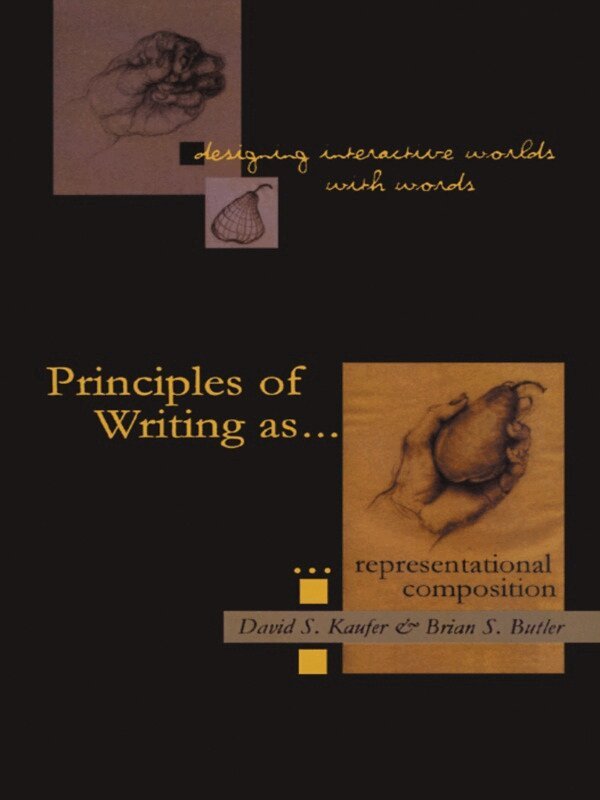
    Designing Interactive Worlds With Words

    Principles of Writing As Representational Composition

    AvDavid S. Kaufer,Brian S. Butler

    Häftad, Engelska, 2000

    542 kr

    Beställningsvara. Skickas inom 10-15 vardagar. Fri frakt över 249 kr.

    Fler format och utgåvor

    Inbunden

    1 511 kr

    Beskrivning

    No two writing situations are exactly the same and skilled writers, like skilled painters, must develop the know-how to represent the objects of their writing as part of a flexible art. This special art of writing lies hidden between grammar--the well-formedness of sentences--and genre--the capacity of texts to perform culturally holistic communicative functions (e.g., the memo, the strategic report, the letter to the editor). Concealed between grammar and genre, this less visible art of writing is what Kaufer and Butler call "representational composition." Texts within this hidden art are best viewed not primarily as grammatical units or as genre functions, but as bearers of design elements stimulating imagistic, narrative, and information-rich worlds, and as an invitation to readers to explore and interact with them. This volume presents a systematic study of the principles that underlie writing as representational composition. Drawing from student models derived from a studio method, the authors use each chapter to present a different aspect of what unfolds--across the course of the book--into a cumulative, interactive, and unified body of representational principles underlying the design of texts. They reveal what makes the textual representations achieved by expert writers worthwhile, and, at the same time, difficult for novice writers to reproduce. Extending the framework of their 1996 volume, Rhetoric and the Arts of Design, into a realm of textual design, this volume will interest students and instructors of writing, rhetoric, and information design.

    Produktinformation

    • Utgivningsdatum:2000-03-01
    • Mått:152 x 229 x 17 mm
    • Vikt:580 g
    • Format:Häftad
    • Språk:Engelska
    • Antal sidor:312
    • Förlag:Taylor & Francis Inc
    • ISBN:9780805834246

    Utforska kategorier

    • Språkvetenskap och lingvistik inom Språk och ordböcker
    • Skrivande och redigering inom Språk och ordböcker

    Mer om författaren

    David S. Kaufer, Brian S. Butler

    Innehållsförteckning

    • Contents: Foreword. Preface. Introduction: Writing and Representational Composition. Part I: Portraiture. Self-Portraiture. Observer Portraiture. Part II: Landscapes. The Feel of Extended Space. The Feel of Elapsed Time. Part III: Invitations for Interaction. Invitations to Learn. Invitations to Do and Learn. Invitations to Decide. Epilogue: The Promise of Representational Theory in Writing Education.