• Fri frakt över 249 kr
  • •
  • Snabba leveranser
  • •
  • Billiga böcker
Kundservice

Du är på sajten för privatpersoner.

Företag, bibliotek eller offentlig verksamhet?

Du handlar på classic.bokus.com, där alla dina funktioner finns intakta.
Till classic.bokus.com
Bokus logotyp. Gå till startsidan.
  • Erbjudanden
  • Nyheter
  • Student
  • Topplistor
  • Barn & ungdom
  • Bokus Play
  • E-böcker
  • Pocketböcker
  • Spel & pussel

10% rabatt på allt med kod: NYSTART10 →

Sidfot

Mina sidor

    Hjälp

    • Kundservice
    • Vanliga frågor och svar
    • Frakt och leverans
    • Retur vid ångerrätt
    • Reklamera vara
    • Betalning
    • Köpvillkor
    • Allmänna villkor
    • Information om webbplatsens tillgänglighet

    Om Bokus

    • Om oss
    • Pressrum
    • För studenter
    • För företag
    • För bibliotek och offentlig verksamhet
    • För leverantörer
    • Hållbarhet

    Populärt

    • Aktuella erbjudanden
    • Presentkort
    • Studentlitteratur
    • Nya böcker
    • Topplistor
    • Signerade böcker
    • Engelska böcker

    Inspiration

    • Boktips
    • BookTok
    • Populära bokserier
    • Barnbokskaraktärer
    • Populära författare
    Logotyp för Bokus
    Följ oss på Facebook (extern länk)Följ oss på Instagram (extern länk)Följ oss på YouTube (extern länk)Följ oss på TikTok (extern länk)
    bokus @ CookiesAnpassa cookiesIntegritetspolicyKöpvillkor
    Till Citymail hemsida (extern länk)Till Budbee hemsida (extern länk)Till Postnord hemsida (extern länk)Till Schenker hemsida (extern länk)Till Early Bird hemsida (extern länk)Till Walleys hemsida (extern länk)
    1. Historia och arkeologi
    2. Historia
    3. Amerikas historia

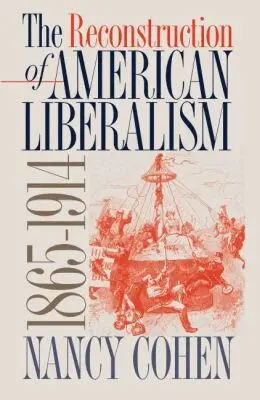
    Reconstruction of American Liberalism, 1865-1914

    AvNancy Cohen

    Häftad, Engelska, 2002

    550 kr

    Beställningsvara. Skickas inom 10-15 vardagar. Fri frakt över 249 kr.

    Fler format och utgåvor

    E-bok

    518 kr

    E-bok

    518 kr

    Beskrivning

    Tracing the transformation of liberal political ideology from the end of the Civil War to the early twentieth century, Nancy Cohen offers a new interpretation of the origins and character of modern liberalism. She argues that the values and programs associated with modern liberalism were formulated not during the Progressive Era, as most accounts maintain, but earlier, in the very different social context of the Gilded Age. Integrating intellectual, social, cultural, and economic history, Cohen argues that the reconstruction of liberalism hinged on the reaction of postbellum liberals to social and labor unrest. As new social movements of workers and farmers arose and phrased their protests in the rhetoric of democratic producerism, liberals retreated from earlier commitments to an expansive vision of democracy. Redefining liberal ideas about citizenship and the state, says Cohen, they played a critical role in legitimating emergent corporate capitalism and politically insulating it from democratic challenge. As the social cost of economic globalization comes under international critical scrutiny, this book revisits the bitter struggles over the relationship between capitalism and democracy in post-Civil War America. The resolution of this problem offered by the new liberalism deeply influenced the progressives and has left an enduring legacy for twentieth-century American politics, Cohen argues.

    Produktinformation

    • Utgivningsdatum:2002-03-11
    • Mått:167 x 225 x 19 mm
    • Vikt:477 g
    • Format:Häftad
    • Språk:Engelska
    • Antal sidor:336
    • Förlag:The University of North Carolina Press
    • ISBN:9780807853542

    Utforska kategorier

    • Amerikas historia inom Historia och arkeologi
    • Liberalism och centerideologier inom Samhälle och politik

    Mer om författaren

    Nancy Cohen is a visiting scholar at the Institute of Industrial Relations, University of California, Los Angeles.

    Recensioner i media

    "Our understanding of the intellectual origins of Progressivism, and therefore of the paths taken by American liberalism in the twentieth century, will be greatly deepened by the powerful case Nancy Cohen has made regarding the character and importance of their nineteenth-century antecedents." - Wilfred M. McClay, University of Tennessee at Chattanooga