• Fri frakt över 249 kr
  • •
  • Snabba leveranser
  • •
  • Billiga böcker
Kundservice

Du är på sajten för privatpersoner.

Företag, bibliotek eller offentlig verksamhet?

Du handlar på classic.bokus.com, där alla dina funktioner finns intakta.
Till classic.bokus.com
Bokus logotyp. Gå till startsidan.
  • Erbjudanden
  • Nyheter
  • Student
  • Topplistor
  • Barn & ungdom
  • Bokus Play
  • E-böcker
  • Pocketböcker
  • Spel & pussel

10% rabatt på allt med kod: NYSTART10 →

Sidfot

Mina sidor

    Hjälp

    • Kundservice
    • Vanliga frågor och svar
    • Frakt och leverans
    • Retur vid ångerrätt
    • Reklamera vara
    • Betalning
    • Köpvillkor
    • Allmänna villkor
    • Information om webbplatsens tillgänglighet

    Om Bokus

    • Om oss
    • Pressrum
    • För studenter
    • För företag
    • För bibliotek och offentlig verksamhet
    • För leverantörer
    • Hållbarhet

    Populärt

    • Aktuella erbjudanden
    • Presentkort
    • Studentlitteratur
    • Nya böcker
    • Topplistor
    • Signerade böcker
    • Engelska böcker

    Inspiration

    • Boktips
    • BookTok
    • Populära bokserier
    • Barnbokskaraktärer
    • Populära författare
    Logotyp för Bokus
    Följ oss på Facebook (extern länk)Följ oss på Instagram (extern länk)Följ oss på YouTube (extern länk)Följ oss på TikTok (extern länk)
    bokus @ CookiesAnpassa cookiesIntegritetspolicyKöpvillkor
    Till Citymail hemsida (extern länk)Till Budbee hemsida (extern länk)Till Postnord hemsida (extern länk)Till Schenker hemsida (extern länk)Till Early Bird hemsida (extern länk)Till Walleys hemsida (extern länk)
    1. Naturvetenskap och teknik
    2. Geovetenskap
    3. Geovetenskap

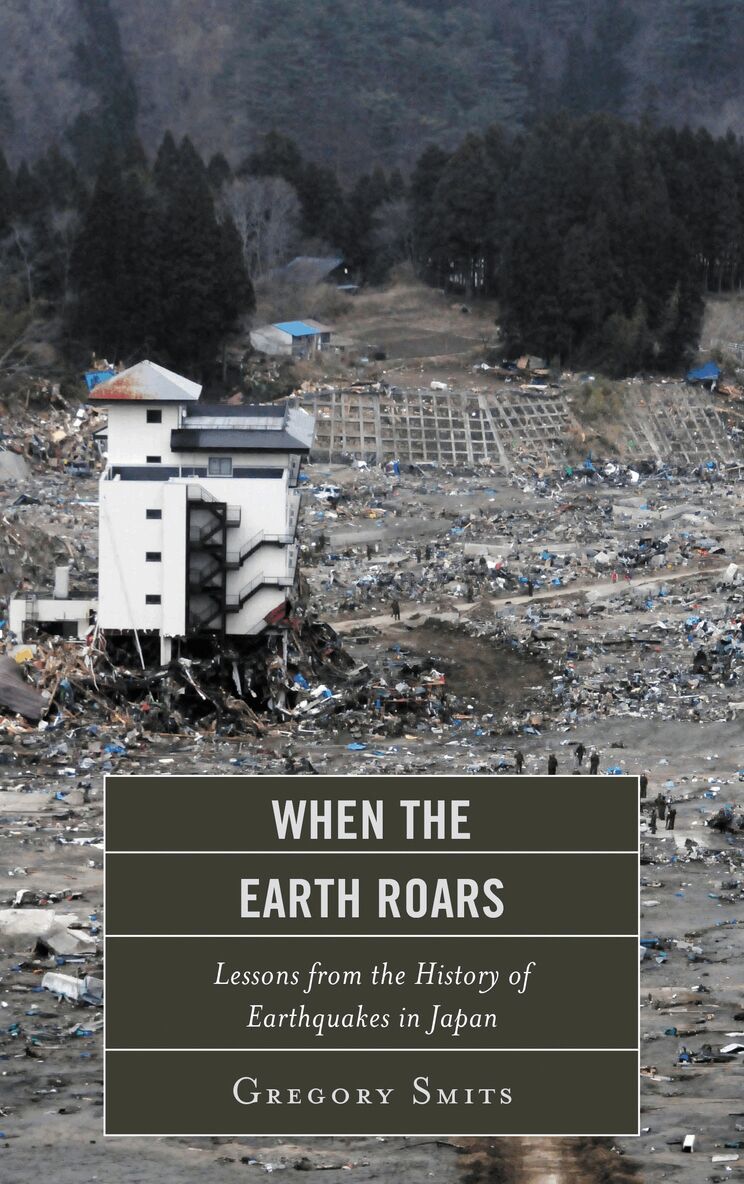
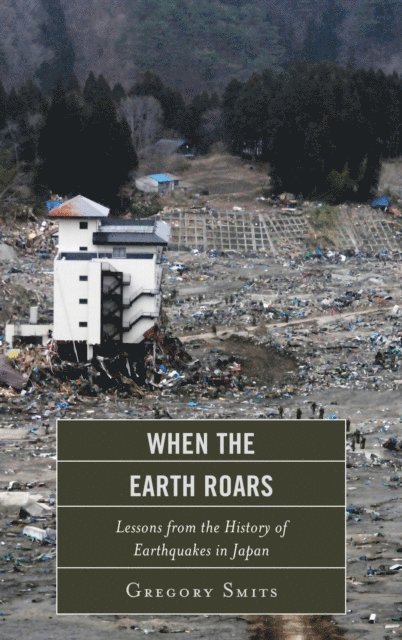
    When the Earth Roars

    Lessons from the History of Earthquakes in Japan

    AvGregory Smits

    Häftad, Engelska, 2017

    Del i serien Asia/Pacific/Perspectives

    451 kr

    Beställningsvara. Skickas inom 10-15 vardagar. Fri frakt över 249 kr.

    Fler format och utgåvor

    Inbunden

    1 533 kr

    E-bok

    498 kr

    Beskrivning

    Japan, which is among the most earthquake-prone regions in the world, has a long history of responding to seismic disasters. However, despite advances in earthquake-related safety technologies, the destructiveness of the magnitude 9 class earthquake and tsunami that struck the country on 3/11 raised profound questions about how societies can deal effectively with seismic hazards. This important book places the devastating earthquake, tsunami, and nuclear meltdown disaster in historical perspective, examining conceptions of earthquakes since the seventeenth century, the diverse ways actual earthquakes and their aftermath played out, and their enduring social and scientific significance. By looking backward, Gregory Smits identifies future pitfalls to avoid and assesses the allocation of resources for dealing with future earthquake and tsunami disasters. He criticizes Japan’s postwar quest for earthquake prediction and the concept of “characteristic” earthquakes. Smits argues that earthquakes are so chaotic as to be unpredictable, not only geologically but also in their social and cultural effects. Therefore, he contends, the best hope for future disaster mitigation is antiseismic engineering and flexible disaster-relief capabilities. As the first sustained historical analysis of destructive earthquakes and tsunamis, this book is an essential resource for anyone interested in Japan, natural disasters, seismology, and environmental history.

    Produktinformation

    • Utgivningsdatum:2017-11-10
    • Mått:151 x 230 x 17 mm
    • Vikt:336 g
    • Format:Häftad
    • Språk:Engelska
    • Serie:Asia/Pacific/Perspectives
    • Antal sidor:226
    • Förlag:Bloomsbury Publishing Plc
    • ISBN:9780810895577

    Utforska kategorier

    • Geovetenskap inom Naturvetenskap och teknik
    • Miljövetenskap och miljöpolitik inom Naturvetenskap och teknik

    Mer om författaren

    Gregory Smits is professor of history and Asian studies at Pennsylvania State University.

    Recensioner i media

    Smits offers a very well-written and insightful study of the eternal quest to create and validate the shaky science of earthquake prediction. Basing his book on an analysis of major earthquakes in Japan over the last 200 years, including the earthquake and tsunami of 3/11, the author concludes that it is impossible to predict them (neither their timing nor location). He bases this conclusion on an easily understandable description of the geology of earthquakes. Unfortunately, the resources of government and the scientific community, particularly in Japan, are fixated on this misguided task; in the postwar era, this effort has shifted from ‘predicting’ to ‘forecasting.’ Smits argues that great benefits can accrue by using earthquakes and their results as precedents and guideposts to instead focus resources on mitigating their social and economic impact. For example, lessons from earlier earthquakes in the Tohoku region of Japan might very well have reduced the impact of the disastrous 3/11 events. This valuable, persuasive, and very readable study will appeal to all interested in the history of modern Japan, the history of earthquakes in Japan, and the science of seismology. Summing Up: Essential. All levels.

    Innehållsförteckning

    • IntroductionChapter 1: Setting the StageChapter 2: Early Modern Earthquakes and Their Modern RelevanceChapter 3: Nobi and Great KantoChapter 4: Prewar Tsunamigenic Earthquakes in the NortheastChapter 5: Prediction to Forecasting: Attempting to Outsmart the Earth in Postwar JapanChapter 6: ConclusionsGlossary of Terms and EntitiesBibliography