• Fri frakt över 249 kr
  • •
  • Snabba leveranser
  • •
  • Billiga böcker
Kundservice

Du är på sajten för privatpersoner.

Företag, bibliotek eller offentlig verksamhet?

Du handlar på classic.bokus.com, där alla dina funktioner finns intakta.
Till classic.bokus.com
Bokus logotyp. Gå till startsidan.
  • Erbjudanden
  • Nyheter
  • Student
  • Topplistor
  • Barn & ungdom
  • Bokus Play
  • E-böcker
  • Pocketböcker
  • Spel & pussel

10% rabatt på allt med kod: NYSTART10 →

Sidfot

Mina sidor

    Hjälp

    • Kundservice
    • Vanliga frågor och svar
    • Frakt och leverans
    • Retur vid ångerrätt
    • Reklamera vara
    • Betalning
    • Köpvillkor
    • Allmänna villkor
    • Information om webbplatsens tillgänglighet

    Om Bokus

    • Om oss
    • Pressrum
    • För studenter
    • För företag
    • För bibliotek och offentlig verksamhet
    • För leverantörer
    • Hållbarhet

    Populärt

    • Aktuella erbjudanden
    • Presentkort
    • Studentlitteratur
    • Nya böcker
    • Topplistor
    • Signerade böcker
    • Engelska böcker

    Inspiration

    • Boktips
    • BookTok
    • Populära bokserier
    • Barnbokskaraktärer
    • Populära författare
    Logotyp för Bokus
    Följ oss på Facebook (extern länk)Följ oss på Instagram (extern länk)Följ oss på YouTube (extern länk)Följ oss på TikTok (extern länk)
    bokus @ CookiesAnpassa cookiesIntegritetspolicyKöpvillkor
    Till Citymail hemsida (extern länk)Till Budbee hemsida (extern länk)Till Postnord hemsida (extern länk)Till Schenker hemsida (extern länk)Till Early Bird hemsida (extern länk)Till Walleys hemsida (extern länk)
    1. Historia och arkeologi
    2. Arkeologi

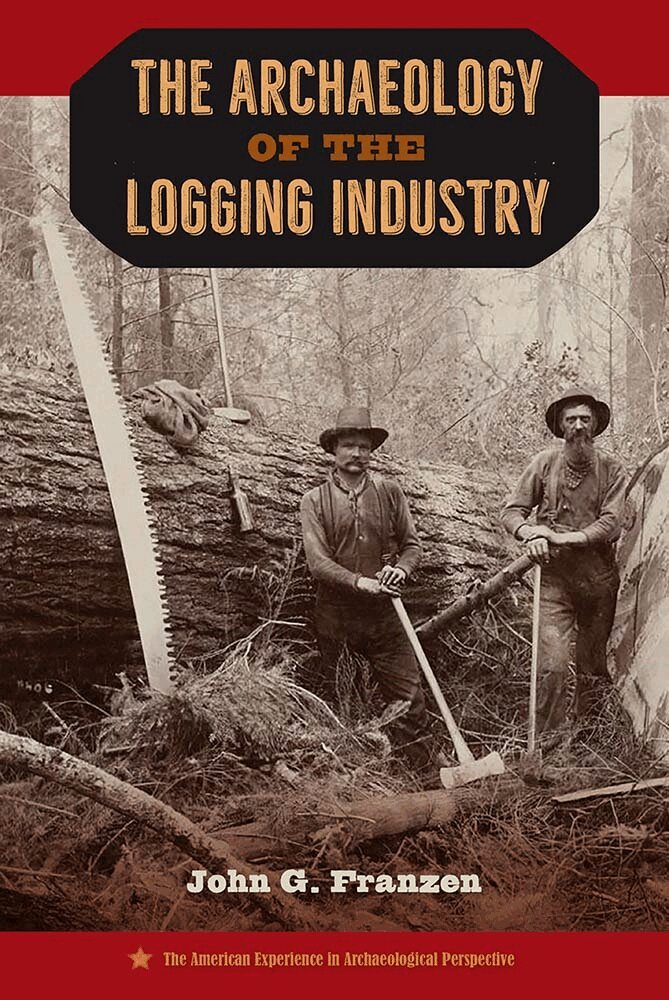
    Archaeology of the Logging Industry

    AvJohn G. Franzen

    Inbunden, Engelska, 2020

    Del i serien American Experience in Archaeological Perspective

    979 kr

    Beställningsvara. Skickas inom 10-15 vardagar. Fri frakt över 249 kr.

    Fler format och utgåvor

    E-bok

    1 468 kr

    Beskrivning

    The American lumber industry helped fuel westward expansion and industrial development during the nineteenth and twentieth centuries, building logging camps and sawmills—and abandoning them once the trees ran out. In this book, John Franzen surveys archaeological studies of logging sites across the nation, explaining how material evidence found at these locations illustrates key aspects of the American experience during this era.Franzen delves into the technologies used in cutting and processing logs, the environmental impacts of harvesting timber, the daily life of workers and their families, and the social organization of logging communities. He highlights important trends, such as increasing mechanization and standardization, and changes in working and living conditions, especially the food and housing provided by employers. Throughout these studies, which range from Michigan to California, the book provides access to information from unpublished studies not readily available to most researchers.The Archaeology of the Logging Industry also shows that when archaeologists turn their attention to the recent past, the discipline can be relevant to today's ecological crises. By creating awareness of the environmental deterioration caused by industrial-scale logging during what some are calling the Anthropocene, archaeology supports the hope that with adequate time for recovery and better global-scale stewardship, the human use of forests might become sustainable.A volume in the series the American Experience in Archaeological Perspective, edited by Michael S. Nassaney

    Produktinformation

    • Utgivningsdatum:2020-09-01
    • Mått:152 x 229 x 38 mm
    • Vikt:620 g
    • Format:Inbunden
    • Språk:Engelska
    • Serie:American Experience in Archaeological Perspective
    • Antal sidor:258
    • Förlag:University Press of Florida
    • ISBN:9780813066585

    Utforska kategorier

    • Arkeologi inom Historia och arkeologi
    • Antropologi inom Samhälle och politik

    Mer om författaren

    John G. Franzen is a consultant in archaeology and historic preservation. He served as an archaeologist for the USDA Forest Service in northern Michigan from 1980 to 2013.