E-bok, Engelska, 2014
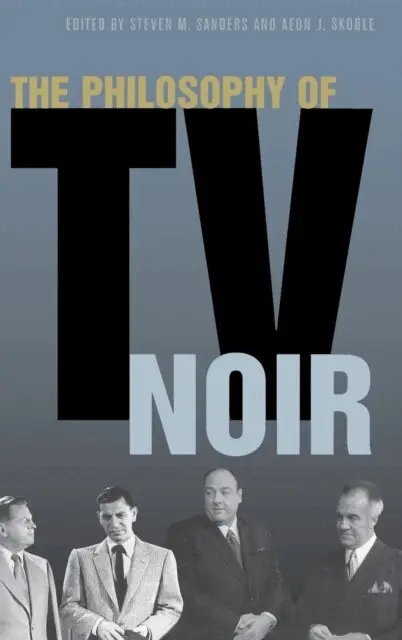
Philosophy of TV Noir
Av Aeon J. Skoble, Steven Sanders
535 kr
Läs direkt i Bokus Reader – eller ladda ned till din enhet (PDF kräver ofta zoom och scroll på små skärmar).
Beskrivning
Film noir reflects the fatalistic themes and visual style of hard-boiled novelists and many migr filmmakers in 1940s and 1950s America, emphasizing crime, alienation, and moral ambiguity. In The Philosophy of TV Noir, Steven M. Sanders and Aeon J. Skoble argue that the legacy of film noir classics such as The Maltese Falcon, Kiss Me Deadly, and The Big Sleep is also found in episodic television from the mid-1950s to the present.In this first-of-its-kind collection, contributors from philosophy, film studies, and literature raise fundamental questions about the human predicament, giving this unique volume its moral resonance and demonstrating why television noir deserves our attention. The introduction traces the development of TV noir and provides an overview and evaluation of the book's thirteen essays, each of which discusses an exemplary TV noir series. Realism, relativism, and integrity are discussed in essays on Dragnet, Naked City, The Fugitive, and Secret Agent. Existentialist themes of authenticity, nihilism, and the search for life's meaning are addressed in essays on Miami Vice, The Sopranos, Carnivale, and 24. The methods of crime scene investigation in The X-Files and CSI are examined, followed by an exploration of autonomy, selfhood, and interpretation in The Prisoner, Twin Peaks, The X-Files, and Millennium.With this focus on the philosophical dimensions of crime, espionage, and science fiction series, The Philosophy of TV Noir draws out the full implications of film noir and establishes TV noir as an art form in its own right.
Produktinformation
- Utgivningsdatum: 2014-10-17
- Språk: Engelska
- Filformat: PDF
- Kopieringsskydd: LCP
- ISBN: 9780813156781
- Förlag: The University Press of Kentucky
Utforska kategorier
Betyg & recensioner
0 recensioner
Inga recensioner tillgängliga.