• Fri frakt över 249 kr
  • •
  • Snabba leveranser
  • •
  • Billiga böcker
Kundservice

Du är på sajten för privatpersoner.

Företag, bibliotek eller offentlig verksamhet?

Du handlar på classic.bokus.com, där alla dina funktioner finns intakta.
Till classic.bokus.com
Bokus logotyp. Gå till startsidan.
  • Erbjudanden
  • Nyheter
  • Student
  • Topplistor
  • Barn & ungdom
  • Bokus Play
  • E-böcker
  • Pocketböcker
  • Spel & pussel

10% rabatt på allt med kod NYSTART10 →

Sidfot

Mina sidor

    Hjälp

    • Kundservice
    • Vanliga frågor och svar
    • Frakt och leverans
    • Retur vid ångerrätt
    • Reklamera vara
    • Betalning
    • Köpvillkor
    • Allmänna villkor
    • Information om webbplatsens tillgänglighet

    Om Bokus

    • Om oss
    • Pressrum
    • För studenter
    • För företag
    • För bibliotek och offentlig verksamhet
    • För leverantörer
    • Hållbarhet

    Populärt

    • Aktuella erbjudanden
    • Presentkort
    • Studentlitteratur
    • Nya böcker
    • Topplistor
    • Signerade böcker
    • Engelska böcker

    Inspiration

    • Boktips
    • BookTok
    • Populära bokserier
    • Barnbokskaraktärer
    • Populära författare
    Logotyp för Bokus
    Följ oss på Facebook (extern länk)Följ oss på Instagram (extern länk)Följ oss på YouTube (extern länk)Följ oss på TikTok (extern länk)
    bokus @ CookiesAnpassa cookiesIntegritetspolicyKöpvillkor
    Till Citymail hemsida (extern länk)Till Budbee hemsida (extern länk)Till Postnord hemsida (extern länk)Till Schenker hemsida (extern länk)Till Early Bird hemsida (extern länk)Till Walleys hemsida (extern länk)
    1. Djur och Natur
    2. Naturböcker
    3. Växtböcker

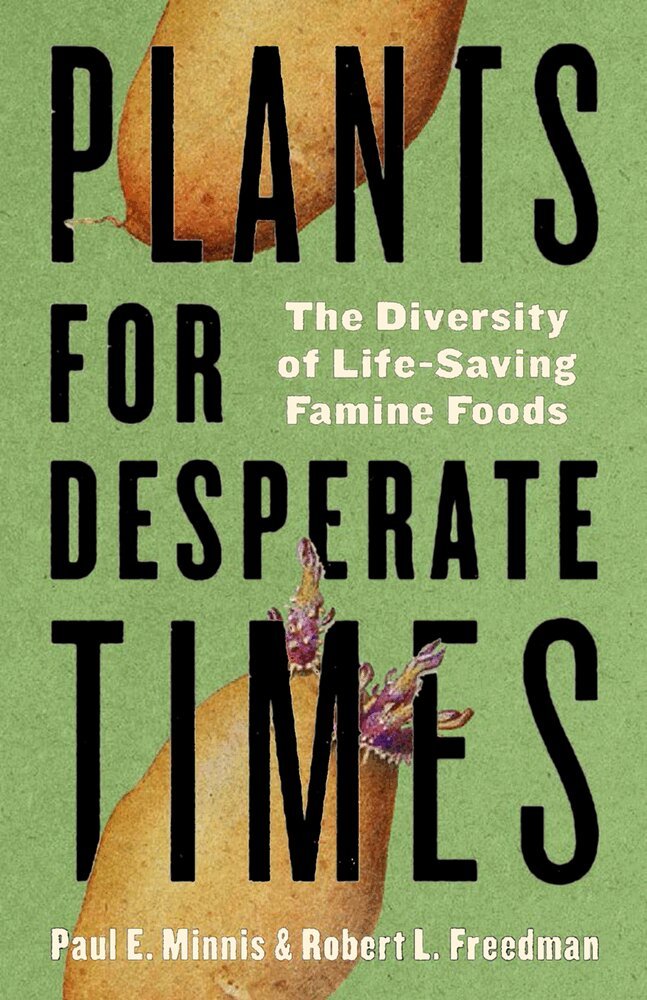
    Plants for Desperate Times

    The Diversity of Life-Saving Famine Foods

    AvPaul E. Minnis,Robert Freedman

    Häftad, Engelska, 2024

    377 kr

    Beställningsvara. Skickas inom 5-8 vardagar. Fri frakt över 249 kr.

    Fler format och utgåvor

    Inbunden

    1 103 kr

    Beskrivning

    Famines and other serious food shortages have been one of the scourges faced by humanity for millennia.Plants for Desperate Times is an introduction to the diversity of plant foods that have saved millions of lives during lethal food shortages. While not a field guide, it addresses questions about what famine foods are and why they are important. The work highlights one hundred plants. Each entry includes the common and scientific names, botanical family, distribution, use as a famine food and other uses, and nutritional information. The species come from across the botanical kingdom, demonstrating the diversity of life-saving plants and the human ingenuity of making what might seem to be inedible plants edible. Unexpectedly, important famine foods include alternative uses of important crops as well as native plants.Beyond a study of famine foods, the authors share why keeping an inventory of plant foods of last resort is so important. They help to build an understanding of little-known and underappreciated foods that may have a greater role in provisioning humanity in the future. As much as we may hope that severe food scarcity will never occur again, history suggests otherwise, and Plants for Desperate Times provides invaluable documentation of these vital foods.

    Produktinformation

    • Utgivningsdatum:2024-10-31
    • Mått:140 x 216 x 18 mm
    • Vikt:326 g
    • Format:Häftad
    • Språk:Engelska
    • Antal sidor:208
    • Förlag:University of Arizona Press
    • ISBN:9780816553754

    Utforska kategorier

    • Växtböcker inom Djur och Natur
    • Antropologi inom Samhälle och politik
    • Geografi inom Naturvetenskap och teknik

    Mer om författaren

    Paul E. Minnis is a professor emeritus of anthropology at the University of Oklahoma now living in Tucson, Arizona, where he is a visiting scholar in the School of Anthropology at the University of Arizona. He is the author or editor of fifteen books, including Famine Foods: Plants We Eat to Survive, and numerous articles.Robert L. Freedman received a BA in Oriental studies and cultural anthropology from the University of Arizona. In 1996, Freedman created The Famine Foods Database, which is hosted by Purdue University’s New Crops website.

    Recensioner i media

    “This is a detailed dive into plant-based famine foods long utilized by cultures from around the world both historically and more recently. Every student of ethnobotany, economic botany, and environmental anthropology should have a copy of this book written by two highly regarded scholars in the field of ethnobotany.”—Enrique SalmÓn, author of Eating the Landscape:American Indian Stories of Food, Identity, and Resilience“This book is a truly unique reference guide to the often unusual and yet essential foods that humankind has relied on for survival in times of starvation.”—Kara Rogers, author of The Quiet Extinction:Stories of North America’s Rare and Threatened Plants“This guide to the diversity of human foodways in times of exigency is essential reading as we reckon with the potential food shortages incurred by global climate change, conflict, and inequality. Minnis and Freedman’s tour of little-known plant foods is a vital contribution to imagining future foodways.”—Courtney Fullilove, author of The Profit of the Earth:The Global Seeds of American Agriculture