• Fri frakt över 249 kr
  • •
  • Snabba leveranser
  • •
  • Billiga böcker
Kundservice

Du är på sajten för privatpersoner.

Företag, bibliotek eller offentlig verksamhet?

Du handlar på classic.bokus.com, där alla dina funktioner finns intakta.
Till classic.bokus.com
Bokus logotyp. Gå till startsidan.
  • Erbjudanden
  • Nyheter
  • Student
  • Topplistor
  • Barn & ungdom
  • Bokus Play
  • E-böcker
  • Pocketböcker
  • Spel & pussel

10% rabatt på allt med kod: NYSTART10 →

Sidfot

Mina sidor

    Hjälp

    • Kundservice
    • Vanliga frågor och svar
    • Frakt och leverans
    • Retur vid ångerrätt
    • Reklamera vara
    • Betalning
    • Köpvillkor
    • Allmänna villkor
    • Information om webbplatsens tillgänglighet

    Om Bokus

    • Om oss
    • Pressrum
    • För studenter
    • För företag
    • För bibliotek och offentlig verksamhet
    • För leverantörer
    • Hållbarhet

    Populärt

    • Aktuella erbjudanden
    • Presentkort
    • Studentlitteratur
    • Nya böcker
    • Topplistor
    • Signerade böcker
    • Engelska böcker

    Inspiration

    • Boktips
    • BookTok
    • Populära bokserier
    • Barnbokskaraktärer
    • Populära författare
    Logotyp för Bokus
    Följ oss på Facebook (extern länk)Följ oss på Instagram (extern länk)Följ oss på YouTube (extern länk)Följ oss på TikTok (extern länk)
    bokus @ CookiesAnpassa cookiesIntegritetspolicyKöpvillkor
    Till Citymail hemsida (extern länk)Till Budbee hemsida (extern länk)Till Postnord hemsida (extern länk)Till Schenker hemsida (extern länk)Till Early Bird hemsida (extern länk)Till Walleys hemsida (extern länk)
    1. Kultur
    2. Scenkonst och film
    3. Film

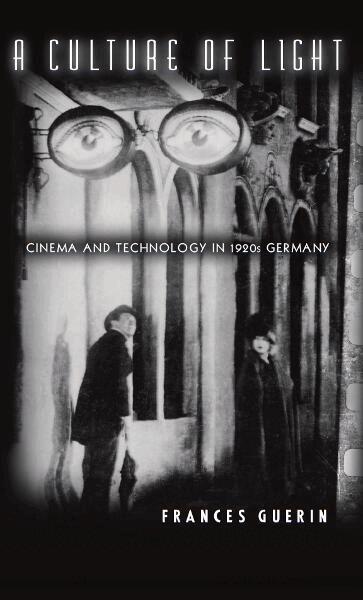
    Culture of Light

    Cinema and Technology in 1920s Germany

    AvFrances Guerin

    Häftad, Engelska, 2005

    298 kr

    Beställningsvara. Skickas inom 5-8 vardagar. Fri frakt över 249 kr.

    Beskrivning

    Cinema is a medium of light. And during Weimar Germany's advance to technological modernity, light - particularly the representational possibilities of electrical light - became the link between the cinema screen and the rapid changes that were transforming German life.In Frances Guerin's compelling history of German silent cinema of the 1920s, the innovative use of light is the pivot around which a new conception of a national cinema, and a national culture emerges. Guerin depicts a nocturnal Germany suffused with light - electric billboards, storefronts, police searchlights - and shows how this element of the mise-en-scene came to reflect both the opportunities and the anxieties surrounding modernity and democracy. Guerin's interpretations center on use of light in films such as Schatten (1923), Variete (1925), Metropolis (1926), and Der Golem (1920). In these films we see how light is the substance of image composition, the structuring device of the narrative, and the central thematic concern. This history relieves German films of the responsibility to explain the political and ideological instability of the period, an instability said to be the uncertain foundation of Nazism. In unlocking this dubious link, A Culture of Light redefines the field of German film scholarship.

    Produktinformation

    • Utgivningsdatum:2005-04-05
    • Mått:149 x 229 x 18 mm
    • Vikt:510 g
    • Format:Häftad
    • Språk:Engelska
    • Antal sidor:352
    • Förlag:University of Minnesota Press
    • ISBN:9780816642861

    Utforska kategorier

    • Film inom Kultur

    Mer om författaren

    Frances Guerin is a lecturer in film studies at the University of Kent, Canterbury.

    Innehållsförteckning

    • Contents Acknowledgments Introduction 1. The Electrification of Life, Cinema, and Art 2. Bringing Cinema to Life through Light: German Film to World War I 3. Legends of Light and Shadow: The Mythical Past in Algol and Schatten 4. The Spell of Light: Cinema as Modern Magic in Faust, Der Golem, Siegfried, and Metropolis 5. Reformulations of Space through Light in Die Strasse, Jenseits der Strasse, and Am Rande der Welt 6. Dazzled by the Profusion of Lights: Technological Entertainment in Variete and Sylvester Conclusion Notes Index