• Fri frakt över 249 kr
  • •
  • Snabba leveranser
  • •
  • Billiga böcker
Kundservice

Du är på sajten för privatpersoner.

Företag, bibliotek eller offentlig verksamhet?

Du handlar på classic.bokus.com, där alla dina funktioner finns intakta.
Till classic.bokus.com
Bokus logotyp. Gå till startsidan.
  • Erbjudanden
  • Student
  • Topplistor
  • Barn & ungdom
  • Bokus Play
  • E-böcker
  • Ljudböcker
  • Pocketböcker
  • Spel och pussel

Pocketfynda! Hundratals böcker för 49 kr/st →

Sidfot

Mina sidor

    Hjälp

    • Kundservice
    • Vanliga frågor och svar
    • Frakt och leverans
    • Retur vid ångerrätt
    • Reklamera vara
    • Betalning
    • Köpvillkor
    • Allmänna villkor
    • Information om webbplatsens tillgänglighet

    Om Bokus

    • Om oss
    • Pressrum
    • För studenter
    • För företag
    • För bibliotek och offentlig verksamhet
    • För leverantörer
    • Hållbarhet

    Populärt

    • Aktuella erbjudanden
    • Presentkort
    • Studentlitteratur
    • Nya böcker
    • Topplistor
    • Signerade böcker
    • Engelska böcker

    Inspiration

    • Boktips
    • BookTok
    • Barnbokskaraktärer
    • Populära författare
    Logotyp för Bokus
    Följ oss på Facebook (extern länk)Följ oss på Instagram (extern länk)Följ oss på YouTube (extern länk)Följ oss på TikTok (extern länk)
    bokus @ CookiesAnpassa cookiesIntegritetspolicyKöpvillkor
    Till Citymail hemsida (extern länk)Till Budbee hemsida (extern länk)Till Postnord hemsida (extern länk)Till Schenker hemsida (extern länk)Till Early Bird hemsida (extern länk)Till Walleys hemsida (extern länk)
    1. Ekonomi och Ledarskap
    2. Nationalekonomi
    3. Internationell ekonomi

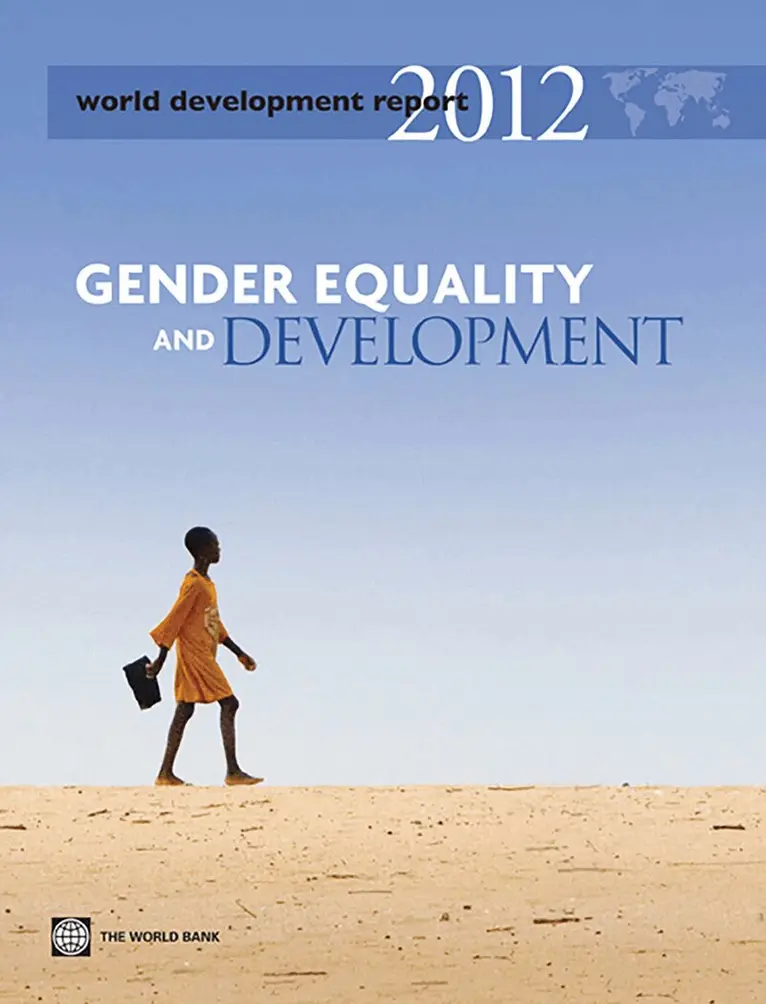
    World Development Report 2012

    Gender Equality and Development

    AvWorld Bank

    Häftad, Engelska, 2011

    Del i serien World Development Report

    302 kr

    Beställningsvara. Skickas inom 5-8 vardagar. Fri frakt över 249 kr.

    Beskrivning

    The main message of this year's World Development Report: gender equality and development is that these patterns of progress and persistence in gender equality matter, both for development outcomes and policy making. They matter because gender equality is a core development objective in its own right. But greater gender equality is also smart economics, enhancing productivity and improving other development outcomes, including prospects for the next generation and for the quality of societal policies and institutions. Economic development is not enough to shrink all gender disparities-corrective policies that focus on persisting gender gaps are essential. This report points to four priority areas for policy going forward. First, reducing gender gaps in human capital-specifically those that address female mortality and education. Second, closing gender gaps in access to economic opportunities, earnings, and productivity. Third, shrinking gender differences in voice and agency within society. Fourth, limiting the reproduction of gender inequality across generations. These are all areas where higher incomes by themselves do little to reduce gender gaps, but focused policies can have a real impact. Gender equality is at the heart of development. It's the right development objective, and it's smart economic policy. The World Development Report 2012 can help both countries and international partners think through and integrate a focus on gender equality into development policy making and programming.

    Produktinformation

    • Utgivningsdatum:2011-09-28
    • Mått:203 x 265 x 28 mm
    • Vikt:1 104 g
    • Format:Häftad
    • Språk:Engelska
    • Serie:World Development Report
    • Antal sidor:300
    • Förlag:World Bank Publications
    • ISBN:9780821388105

    Utforska kategorier

    • Internationell ekonomi inom Ekonomi och Ledarskap

    Mer om författaren

    The World Bank came into formal existence in 1945 following the international ratification of the Bretton Woods agreements. It is a vital source of financial and technical assistance to developing countries around the world. The organization's activities are focused on education, health, agriculture and rural development, environmental protection, establishing and enforcing regulations, infrastructure development, governance and legal institutions development. The World Bank is made up of two unique development institutions owned by its 185 Member Countries. The International Bank for Reconstruction and Development (IBRD) focuses on middle income and creditworthy poor countries and the International Development Association (IDA), which focuses on the poorest countries in the world.