• Fri frakt över 249 kr
  • •
  • Snabba leveranser
  • •
  • Billiga böcker
Kundservice

Du är på sajten för privatpersoner.

Företag, bibliotek eller offentlig verksamhet?

Du handlar på classic.bokus.com, där alla dina funktioner finns intakta.
Till classic.bokus.com
Bokus logotyp. Gå till startsidan.
  • Erbjudanden
  • Nyheter
  • Student
  • Topplistor
  • Barn & ungdom
  • Bokus Play
  • E-böcker
  • Pocketböcker
  • Spel & pussel

10% rabatt på allt med kod NYSTART10 →

Sidfot

Mina sidor

    Hjälp

    • Kundservice
    • Vanliga frågor och svar
    • Frakt och leverans
    • Retur vid ångerrätt
    • Reklamera vara
    • Betalning
    • Köpvillkor
    • Allmänna villkor
    • Information om webbplatsens tillgänglighet

    Om Bokus

    • Om oss
    • Pressrum
    • För studenter
    • För företag
    • För bibliotek och offentlig verksamhet
    • För leverantörer
    • Hållbarhet

    Populärt

    • Aktuella erbjudanden
    • Presentkort
    • Studentlitteratur
    • Nya böcker
    • Topplistor
    • Signerade böcker
    • Engelska böcker

    Inspiration

    • Boktips
    • BookTok
    • Populära bokserier
    • Barnbokskaraktärer
    • Populära författare
    Logotyp för Bokus
    Följ oss på Facebook (extern länk)Följ oss på Instagram (extern länk)Följ oss på YouTube (extern länk)Följ oss på TikTok (extern länk)
    bokus @ CookiesAnpassa cookiesIntegritetspolicyKöpvillkor
    Till Citymail hemsida (extern länk)Till Budbee hemsida (extern länk)Till Postnord hemsida (extern länk)Till Schenker hemsida (extern länk)Till Early Bird hemsida (extern länk)Till Walleys hemsida (extern länk)
    1. Kultur
    2. Arkitektur
    3. Arkitekter och arkitektfirmor

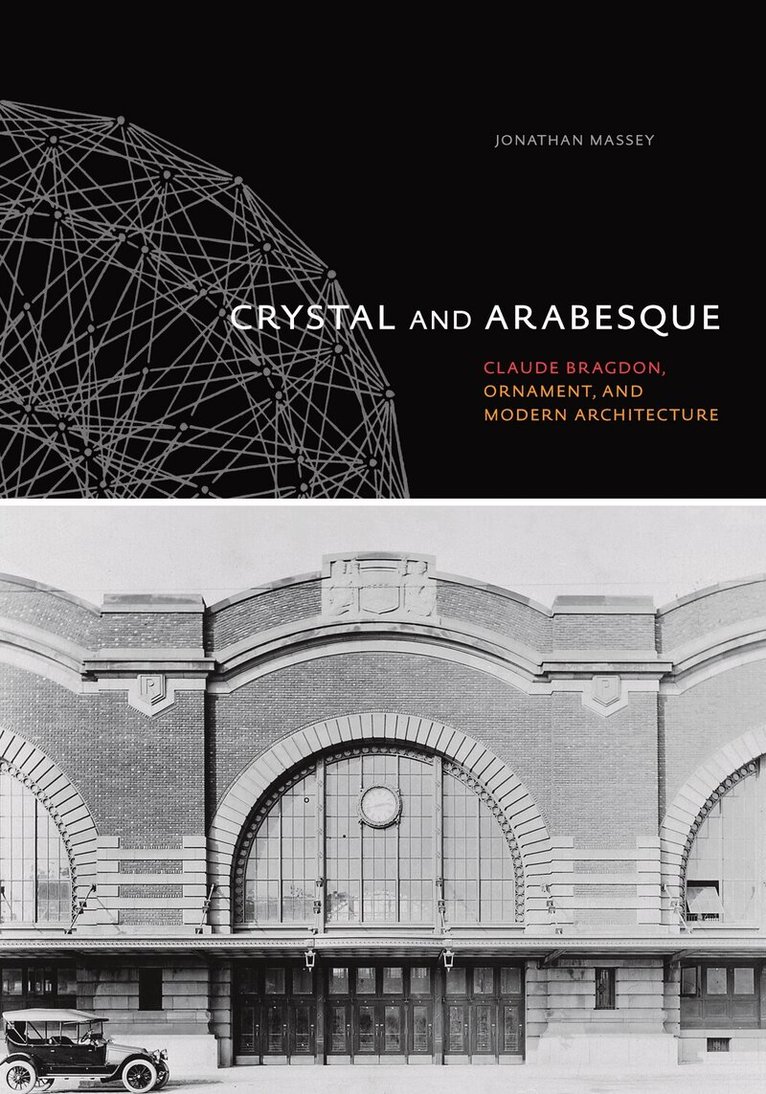
    Crystal and Arabesque

    Claude Bragdon, Ornament, and Modern Architecture

    AvJonathan Massey

    Inbunden, Engelska, 2009

    1 134 kr

    Beställningsvara. Skickas inom 5-8 vardagar. Fri frakt över 249 kr.

    Beskrivning

    From the 1890s to the 1930s, Claude Bragdon enjoyed an international reputation as an architect, designer, and critic working in the progressive tradition associated with Louis Sullivan, Frank Lloyd Wright, and the Prairie School. In 1915 Bragdon created “projective ornament,” a system of geometric patterns designed to serve as a universal form-language integrating not only architecture, art, and design, but also a society divided by differences of class, gender, religion, culture, and national origin. Spreading across the surfaces of buildings, posters, books, and the settings Bragdon designed for massive community singing festivals, projective ornament came to symbolize the progressive potential of modernity for thousands of Americans. Bragdon disappeared from memory when mid-century histories promoted a narrow view of modern architecture that emphasized functional planning, industrial building technique, continuous space, and the suppression of ornament. But his work left an ongoing legacy when younger architects such as Buckminster Fuller found new ways of using geometric pattern to promote architectural and social integration. Now that architects and designers are once again generating innovative work based on geometry, ornament, and pattern, Crystal and Arabesque draws on a rich trove of previously unpublished work to show how American modernists committed to social reform used ornament in new ways to engage the media and audiences of mass society.

    Produktinformation

    • Utgivningsdatum:2009-04-15
    • Mått:178 x 254 x 25 mm
    • Vikt:1 043 g
    • Format:Inbunden
    • Språk:Engelska
    • Antal sidor:360
    • Förlag:University of Pittsburgh Press
    • ISBN:9780822943624

    Utforska kategorier

    • Arkitekter och arkitektfirmor inom Kultur

    Mer om författaren

    Jonathan Massey is associate professor in the Syracuse University School of Architecture.

    Recensioner i media

    In this beautifully argued book based on a rich exploration of original material, Massey recognizes in a little-known turn-of-the century American architect a body of work that challenged the core of modern architecture with its normative emphasis on rationalism, its prohibitions against ornament, and its narrowly instrumental view of technology. Massey's combination of interdisciplinary breadth and substantial knowledge of architecture guarantees that his excellent book will make a significant contribution to architectural, art, and cultural history.