• Fri frakt över 249 kr
  • •
  • Snabba leveranser
  • •
  • Billiga böcker
Kundservice

Du är på sajten för privatpersoner.

Företag, bibliotek eller offentlig verksamhet?

Du handlar på classic.bokus.com, där alla dina funktioner finns intakta.
Till classic.bokus.com
Bokus logotyp. Gå till startsidan.
  • Erbjudanden
  • Nyheter
  • Student
  • Topplistor
  • Barn & ungdom
  • Bokus Play
  • E-böcker
  • Pocketböcker
  • Spel & pussel

10% rabatt på allt med kod NYSTART10 →

Sidfot

Mina sidor

    Hjälp

    • Kundservice
    • Vanliga frågor och svar
    • Frakt och leverans
    • Retur vid ångerrätt
    • Reklamera vara
    • Betalning
    • Köpvillkor
    • Allmänna villkor
    • Information om webbplatsens tillgänglighet

    Om Bokus

    • Om oss
    • Pressrum
    • För studenter
    • För företag
    • För bibliotek och offentlig verksamhet
    • För leverantörer
    • Hållbarhet

    Populärt

    • Aktuella erbjudanden
    • Presentkort
    • Studentlitteratur
    • Nya böcker
    • Topplistor
    • Signerade böcker
    • Engelska böcker

    Inspiration

    • Boktips
    • BookTok
    • Populära bokserier
    • Barnbokskaraktärer
    • Populära författare
    Logotyp för Bokus
    Följ oss på Facebook (extern länk)Följ oss på Instagram (extern länk)Följ oss på YouTube (extern länk)Följ oss på TikTok (extern länk)
    bokus @ CookiesAnpassa cookiesIntegritetspolicyKöpvillkor
    Till Citymail hemsida (extern länk)Till Budbee hemsida (extern länk)Till Postnord hemsida (extern länk)Till Schenker hemsida (extern länk)Till Early Bird hemsida (extern länk)Till Walleys hemsida (extern länk)
    1. Skönlitteratur
    2. Poesi

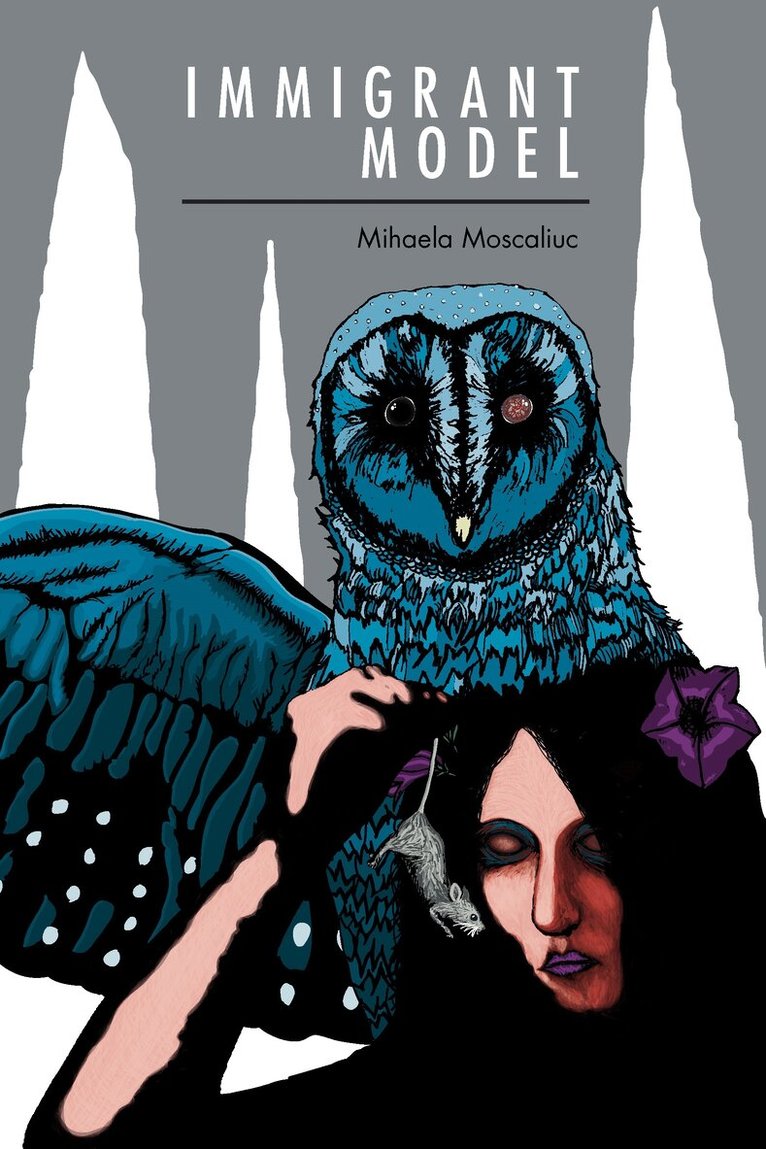
    Immigrant Model

    AvMihaela Moscaliuc

    Häftad, Engelska, 2015

    Del i serien Pitt Poetry Series

    289 kr

    Beställningsvara. Skickas inom 3-6 vardagar. Fri frakt över 249 kr.

    Beskrivning

    The poems in Immigrant Model explore issues of individual and communal identity in the face of conflict, conflicting "truths" or histories, and uprootedness. They explore the notion of homeland as it relates to one's roots, adopted space, psychological terrain, gendered body. If the book reads as a collage of voices or shards rather than as a book with an identifiable arc, it's because that's the only way the poet has managed to answer, so far, the question, "What is it like to be of this world and this world and this world, while also of the elsewhere skirting these worlds?"

    Produktinformation

    • Utgivningsdatum:2015-01-07
    • Mått:152 x 229 x 8 mm
    • Vikt:159 g
    • Format:Häftad
    • Språk:Engelska
    • Serie:Pitt Poetry Series
    • Antal sidor:112
    • Förlag:University of Pittsburgh Press
    • ISBN:9780822963349

    Utforska kategorier

    • Poesi inom Skönlitteratur

    Mer om författaren

    Mihaela Moscaliuc is the author of the poetry collections Immigrant Model and Father Dirt and the translator of Liliana Ursu’s Clay and Star and Carmelia Leonte’s The Hiss of the Viper. Her awards include two Glenna Luschei Awards, residencies at the Virginia Center for the Creative Arts, MacDowell, and Le Chateau de Lavigny, and a Fulbright fellowship to Romania. She is associate professor of English at Monmouth University.

    Recensioner i media

    In her second outing, Moscaliuc ("Father Dirt") returns to her Romanian upbringing, looking as well at her parents' time in America and at the Eastern Europeans affected by Chernobyl. With melancholy verve she envisions sensuous details everywhere, at once 'sated and wild with thirst.' A beach vacation in Spain recalls 'a Romanian town wretchedly/ beautiful, bears nosing lamppost and ancient couples/ playing chess on benches painted in national colors.' Confused in Queens, N.Y., the poet's mother sleeps 'in a toddler cot,/ apron pockets lined with shriveled fruit words, jars of preserve/ ticking under the mattress like hand grenades.' Insistently international, Moscaliuc also touches on disputed works of Italian Renaissance art; the burial rituals of Madagascar; and the career of Han van Meegeren, who forged Vermeers. She has a way with the visible world—one poem remembers her own work as an artist's model—and renders smell, taste, and other sensory details remarkably well. Her often lengthy free verse lines keep coming back to her first homeland: its bloody, convulsive history; its Gypsy (Roma) minority; its fruits and vegetables. Moscaliuc uses the five senses as if she owned them, even when retelling horrors, as in the uneven Chernobyl poems: 'When I burned your clothes,/ petals of skin escaped into the gooseberry bush.'