• Fri frakt över 249 kr
  • •
  • Snabba leveranser
  • •
  • Billiga böcker
Kundservice

Du är på sajten för privatpersoner.

Företag, bibliotek eller offentlig verksamhet?

Du handlar på classic.bokus.com, där alla dina funktioner finns intakta.
Till classic.bokus.com
Bokus logotyp. Gå till startsidan.
  • Erbjudanden
  • Nyheter
  • Student
  • Topplistor
  • Barn & ungdom
  • Bokus Play
  • E-böcker
  • Pocketböcker
  • Spel & pussel

10% rabatt på allt med kod NYSTART10 →

Sidfot

Mina sidor

    Hjälp

    • Kundservice
    • Vanliga frågor och svar
    • Frakt och leverans
    • Retur vid ångerrätt
    • Reklamera vara
    • Betalning
    • Köpvillkor
    • Allmänna villkor
    • Information om webbplatsens tillgänglighet

    Om Bokus

    • Om oss
    • Pressrum
    • För studenter
    • För företag
    • För bibliotek och offentlig verksamhet
    • För leverantörer
    • Hållbarhet

    Populärt

    • Aktuella erbjudanden
    • Presentkort
    • Studentlitteratur
    • Nya böcker
    • Topplistor
    • Signerade böcker
    • Engelska böcker

    Inspiration

    • Boktips
    • BookTok
    • Populära bokserier
    • Barnbokskaraktärer
    • Populära författare
    Logotyp för Bokus
    Följ oss på Facebook (extern länk)Följ oss på Instagram (extern länk)Följ oss på YouTube (extern länk)Följ oss på TikTok (extern länk)
    bokus @ CookiesAnpassa cookiesIntegritetspolicyKöpvillkor
    Till Citymail hemsida (extern länk)Till Budbee hemsida (extern länk)Till Postnord hemsida (extern länk)Till Schenker hemsida (extern länk)Till Early Bird hemsida (extern länk)Till Walleys hemsida (extern länk)
    1. Naturvetenskap och teknik
    2. Matematik och naturvetenskap
    3. Astronomi

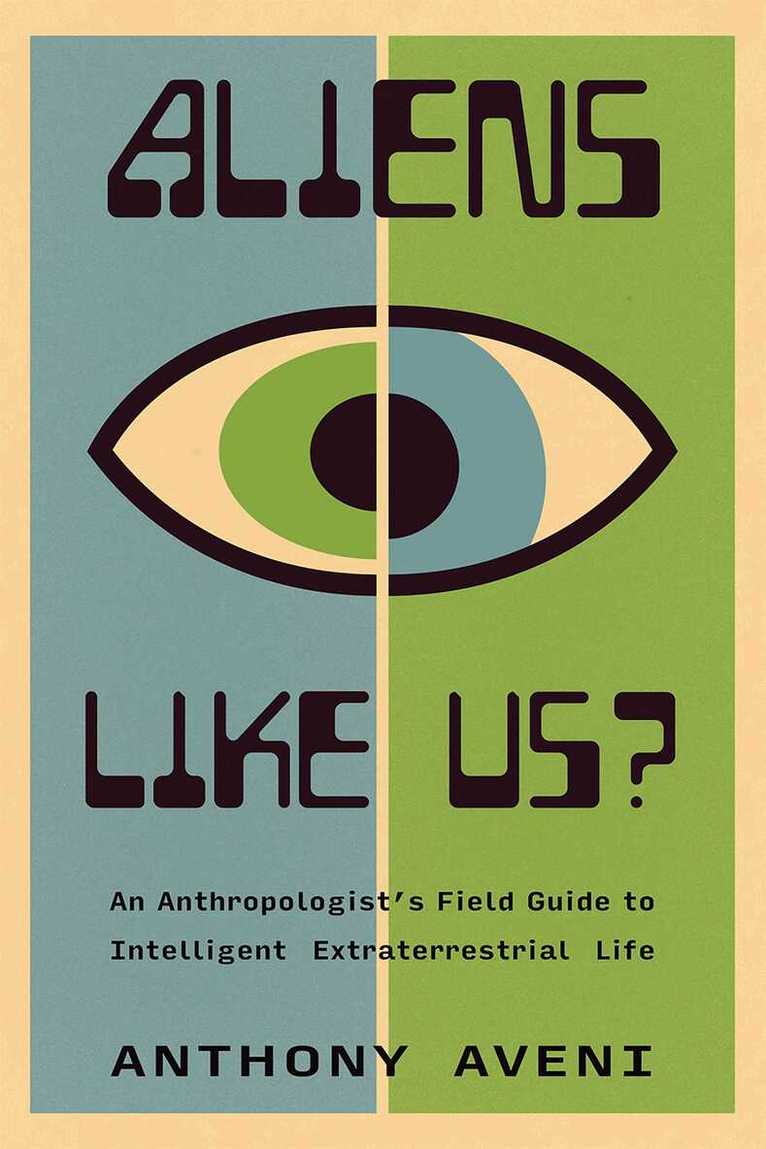
    Aliens Like Us?

    An Anthropologist's Field Guide to Intelligent Extraterrestrial Life

    AvAnthony Aveni

    Inbunden, Engelska, 2025

    308 kr

    Beställningsvara. Skickas inom 5-8 vardagar. Fri frakt över 249 kr.

    Fler format och utgåvor

    Häftad

    229 kr

    Beskrivning

    In this authoritative, accessible, and at times funny and irreverent work, distinguished anthropologist Anthony Aveni speaks to the trained astrophysicist and the curious layperson alike about a simple but previously unexplored question: Why do we assume aliens, if they are really out there, behave just like us?Aveni's newest work departs significantly from the usual scientific treatment of extraterrestrial intelligence by probing the historical and widely neglected anthropological record, which offers relevant incidents of contact among terrestrial cultures. Beginning with theories of the evolution of life and culture advocated by astrobiologists, Aliens Like Us? explores how the Western cultural imagination is influenced by ways of knowing that are deeply embedded in the minds of the questioners—for example, how we consider the ownership of property, the idea of progress, and even the way we classify things. The lessons of anthropology offer not only value structures from other cultures that differ profoundly from our own but also testify to the diverse ways in which cultures interact.Finally, on the potential question of first contact, Aveni closes with a fascinating exploration of the image of extraterrestrials in popular culture that is derived in part from the hugely influential realm of science fiction.

    Produktinformation

    • Utgivningsdatum:2025-03-31
    • Mått:152 x 229 x 31 mm
    • Vikt:603 g
    • Format:Inbunden
    • Språk:Engelska
    • Antal sidor:272
    • Förlag:University of New Mexico Press
    • ISBN:9780826367426

    Utforska kategorier

    • Astronomi inom Naturvetenskap och teknik
    • Antropologi inom Samhälle och politik
    • Rymdforskning inom Naturvetenskap och teknik

    Mer om författaren

    Anthony Aveni is the Russell Colgate Distinguished University Professor of Astronomy, Anthropology, and Native American Studies Emeritus at Colgate University. He has written or edited more than forty books, including Conversing with the Planets: How Science and Myth Invented the Cosmos and The End of Time: The Maya Mystery of 2012.

    Recensioner i media

    This fascinating and thought-provoking volume applies insights from the social sciences and humanities to the search for life beyond Earth, from exoplanets to aliens and UFOs. Aveni brings his unique expertise in the cultures of the Earth to illuminate possible cultures in the heavens. The result is an important, readable, and unusual contribution to the literature of astrobiology, illuminating not only possible extraterrestrials, but also the humans who search for and believe in them." - Steven J. Dick, former NASA chief historian and author of Astrobiology, Discovery, and Societal Impact"One of today's most exciting research efforts is focused on detecting the presence of extraterrestrial intelligence. But are we, in fact, looking for ourselves?" - Seth Shostak, senior astronomer and director of the Center for SETI Research at the SETI Institute and author of Confessions of an Alien Hunter: A Scientist's Search for Extraterrestrial Intelligence"Aliens Like Us? is an important contribution to the emerging dialogue between astrobiology and social science communities. It shows some of the deep and powerful assumptions and biases that have shaped SETI to date." - John Traphagan, author of Extraterrestrial Intelligence and Human Imagination: SETI at the Intersection of Science, Religion, and Culture

    Innehållsförteckning

    • IntroductionPART I. ARE THEY OUT THERE?Chapter One. ET FeverChapter Two. Optimists vs. PessimistsPART II. DO THEY EVOLVE LIKE US?Chapter Three. Life Like Ours?Chapter Four. Does Evolution Converge?Chapter Five. Does Culture Evolve Too?PART III. DO THEY THINK LIKE US?Chapter Six. Do Aliens Believe in High-Tech Progress? Lessons from HistoryChapter Seven. Doesn't Everybody Do Things the Way We Do? Lessons from AnthropologyChapter Eight. Contacting the Ultimate Other: More Lessons from AnthropologyChapter Nine. Do Aliens Believe in God?PART IV. ARE THEY HERE?Chapter Ten. The Story of UfologyChapter Eleven. EpilogueAcknowledgmentsNotesSelected BibliographyCreditsIndex