• Fri frakt över 249 kr
  • •
  • Snabba leveranser
  • •
  • Billiga böcker
Kundservice

Du är på sajten för privatpersoner.

Företag, bibliotek eller offentlig verksamhet?

Du handlar på classic.bokus.com, där alla dina funktioner finns intakta.
Till classic.bokus.com
Bokus logotyp. Gå till startsidan.
  • Erbjudanden
  • Nyheter
  • Student
  • Topplistor
  • Barn & ungdom
  • Bokus Play
  • E-böcker
  • Pocketböcker
  • Spel & pussel

10% rabatt på allt med kod: NYSTART10 →

Sidfot

Mina sidor

    Hjälp

    • Kundservice
    • Vanliga frågor och svar
    • Frakt och leverans
    • Retur vid ångerrätt
    • Reklamera vara
    • Betalning
    • Köpvillkor
    • Allmänna villkor
    • Information om webbplatsens tillgänglighet

    Om Bokus

    • Om oss
    • Pressrum
    • För studenter
    • För företag
    • För bibliotek och offentlig verksamhet
    • För leverantörer
    • Hållbarhet

    Populärt

    • Aktuella erbjudanden
    • Presentkort
    • Studentlitteratur
    • Nya böcker
    • Topplistor
    • Signerade böcker
    • Engelska böcker

    Inspiration

    • Boktips
    • BookTok
    • Populära bokserier
    • Barnbokskaraktärer
    • Populära författare
    Logotyp för Bokus
    Följ oss på Facebook (extern länk)Följ oss på Instagram (extern länk)Följ oss på YouTube (extern länk)Följ oss på TikTok (extern länk)
    bokus @ CookiesAnpassa cookiesIntegritetspolicyKöpvillkor
    Till Citymail hemsida (extern länk)Till Budbee hemsida (extern länk)Till Postnord hemsida (extern länk)Till Schenker hemsida (extern länk)Till Early Bird hemsida (extern länk)Till Walleys hemsida (extern länk)
    1. Samhälle och politik
    2. Samhälle och kultur
    3. Kultur och medier
    4. Referensverk och tvärvetenskap

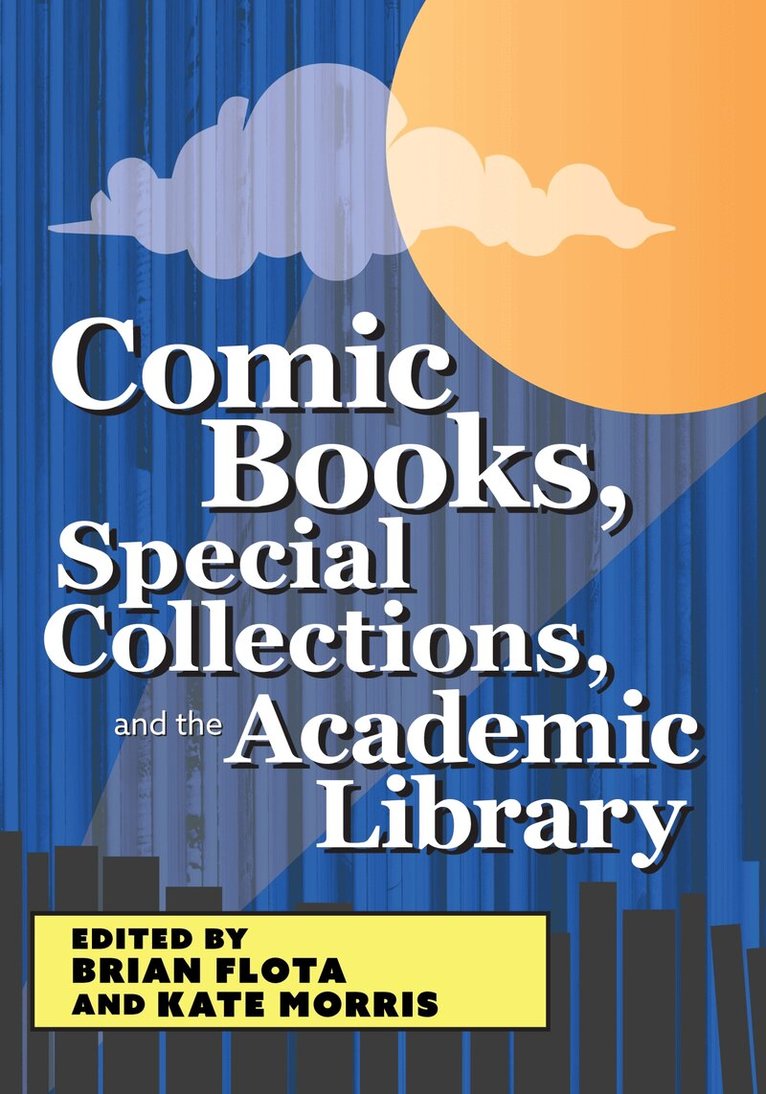
    Comic Books, Special Collections, and the Academic Library

    AvBrian Flota,Kate Morris

    Häftad, Engelska, 2023

    938 kr

    Beställningsvara. Skickas inom 5-8 vardagar. Fri frakt över 249 kr.

    Beskrivning

    Comic book properties continue to dominate popular culture, and there has been continued growth in the academic field of Comics Studies. Graphic novels and comic trade paperbacks populate the shelves of many academic libraries. Single issue collections of “floppy” comic books, however, tend to find their home in special collections libraries because their flimsy construction, highly acidic paper, and, occasionally, the scarcity of certain specific issues warrants special storage and handling. Thoughtful consideration must go into any decision to begin or sustain these collections.  Comic Books, Special Collections, and the Academic Library collects best practices for the acquisition, preservation, storage, and cataloging of comics, particularly single-issue (or floppy) comics, within the special collections units of academic library collections. Four sections answer: Why Should Your Institution Collect Comics? Your Library Collects or Wants to Collect Comics. Now What? How Do You Engage in Library Instruction and Outreach with Your Comics Collection? How Can Comics Be Used as Primary and Secondary Source Material by Students and Faculty?  Chapters address challenges specific to comic book collections in academic libraries, such as finding space and funds to build a collection, making diverse and inclusive collections, leading innovative library instruction sessions with comics, and working with undergraduate and graduate students on comics research. Comic Books, Special Collections, and the Academic Library can help you develop, cultivate, grow, catalog, and make use of comic book collections.

    Produktinformation

    • Utgivningsdatum:2023-12-06
    • Mått:178 x 254 x 20 mm
    • Vikt:272 g
    • Format:Häftad
    • Språk:Engelska
    • Antal sidor:324
    • Förlag:Association of College & Research Libraries
    • ISBN:9780838939505

    Utforska kategorier

    • Referensverk och tvärvetenskap inom Samhälle och politik
    • Antikviteter och samlarobjekt inom Sport, fritid och hobby

    Mer om författaren

    Brian Flota is a humanities librarian at the rank of associate professor in the Libraries at James Madison University. In this position he has collaborated with Special Collections and faculty in the English Department to develop a collection of Black comic books, poetry, and prose. He co-edited the essay collection The Politics of Post-9/11 Music with Joseph P. Fisher (2011) and is the author of A Survey of Multicultural San Francisco Bay Literature, 1955-1979 (2009). He has also produced scholarship on comics and pulp magazine collections in libraries, Ishmael Reed, Richard Pryor, and the Beat Generation.  Kate Morris is head of special collections, assistant professor rank, within the digital scholarship and distinctive collections department at James Madison University. She provides leadership for the special collections team, and works to acquire and develop collections that document the history of the central Shenandoah Valley of Virginia and the history of JMU. She works with faculty to integrate primary sources into coursework and to acquire rare and unique collections, including a growing collection of comics, that support the curriculum.

    Innehållsförteckning

    • DedicationAcknowledgements  Introduction: Approaches to Comics Stewardship: Making the Case for Academic Library Special CollectionsBrian Flota and Kate Morris  Part 1. Why Should Your Institution Collect Comics?Chapter 1: Collecting Comics: Transcending Barriers and Building CommunityYuki Hibben, Andrea Kohashi, and Cindy Jackson  Chapter 2: The Scarcity of Comic Books in American Research LibrariesKelli Hansen  Chapter 3: Digital Comics and Critical Librarianship: What, Why and How: A Perspective from the UKThomas Gebhart  Chapter 4: Creating an Entry Point for Minicomics in an Academic LibraryPaul Hanna  Chapter 5: “It’s the Most Revolutionary Text There Is”: Teaching Critical Visual Literacy with Native American, First Nations, and Indigenous Graphic NovelsJennifer Bowers, Katherine Crowe, and Peggy Keeran  Chapter 6: “More Deadly than the Atom Bomb!”: Anti-Drug Messaging and the Comics Code in 1971Jessica Nickrand and Nick Borger  Chapter 7: The Silent Voice of the Australian Comic Book: Understanding the Importance of Collecting Locally Produced Comic BooksDaniel Wee  Part 2. Your Library Collects or Wants to Collect Comics. Now What?Chapter 8: Bibliography, Print Culture, and What to Do with Comic Books in a Rare Books LibraryMichael C. Weisenburg  Chapter 9: The Alain Van Passen Collection: A Unique Collection That Offers Unique OpportunitiesPaul Buschmann and Beatrijs Goegebuer  Chapter 10: Processing Legacy Comic Book Collections in a Special Collections LibraryJordan Jancosek  Chapter 11: Across the Panels: Non-MARC Metadata for Comic StripsAnnamarie C. Klose and Wendy Pflug  Chapter 12: Unexpected Wins: Curating Comics and Teaching Manga from the Dark Horse Comics CollectionElsa Loftis and Jon Holt  Part 3. How Do You Engage in Library Instruction and Outreach with Your Comics Collection?Chapter 13: Rescuing and Cataloging Comic Books in the Newspaper Library of Mexico, Hemeroteca Nacional de MÉxicoLaura Nallely HernÁndez Nieto  Chapter 14: Surveying Three Approaches for Cataloging Comic Books CollectionsWendy Pflug  Chapter 15: Mining the Silver Age: Utilizing a Comic Book Collection in Library Instruction and ExhibitsRandi Beem and Marc Bess  Chapter 16: From Obscurity to Relatability: Translating Historical Editorial Cartoons for Today’s AudienceElizabeth Call and Rebekah Walker  Part 4. How Can Comics Be Used as Primary and Secondary Source Material by Students and Faculty?Chapter 17: What About Crowdfunded Comics?Matthew Murray 🦇 and Mara L. Thacker  Chapter 18: The Whole Picture: Using Comics and Graphic Novels to Supplement Primary Source Instruction with LGBTQ ArchivesMeagan May  Chapter 19: The Art of Propaganda: Maoist Lianhuanhua Comics as Historical and Visual SourcesMatthew Wills  Chapter 20: Holy Heroes! Catholic Comic Books in Special CollectionsHenry Handley, Stephanie Shreffler, and Jillian Ewalt  About the Authors