Beställningsvara. Skickas inom 10-15 vardagar. Fri frakt över 249 kr.
Beskrivning
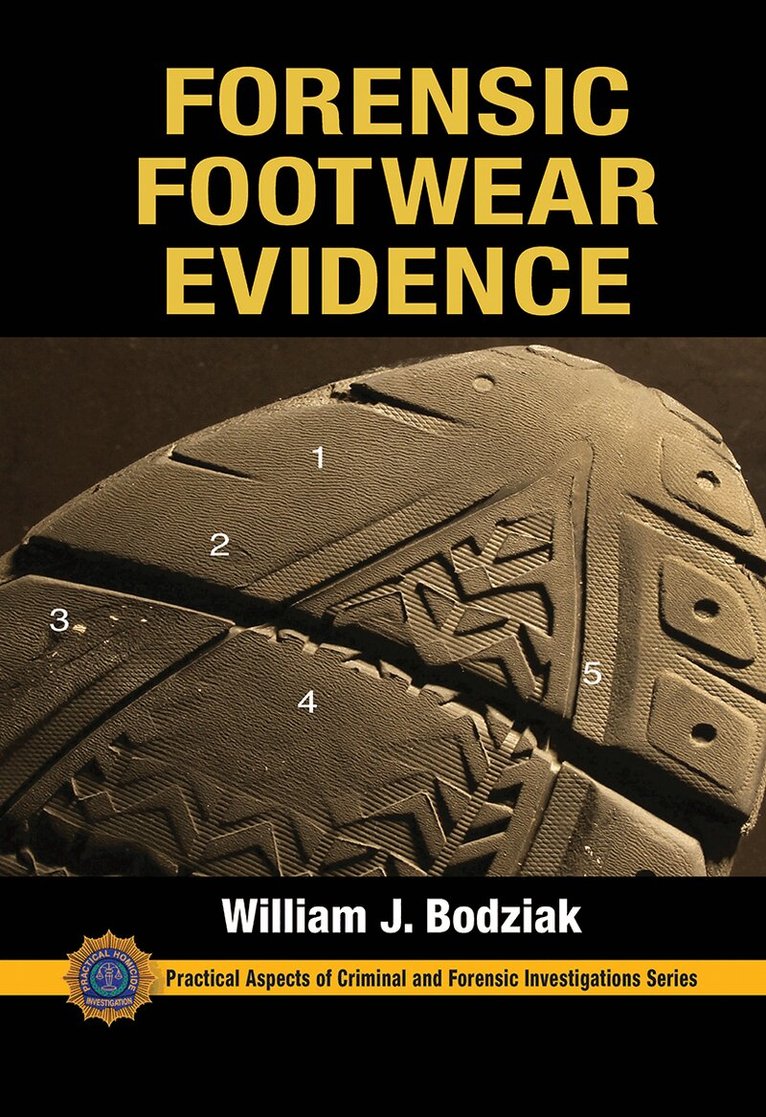
Here is a complete guide to the collection, classification, and comparison of friction skin prints and the determination of identity and nonidentity. It discusses: the cause and significance of variations in prints; the importance of class characteristics in print; the application of probability in decision making; and photographic techniques and considerations.
"The book belongs in the 'must have' category...the chapters on the taking of prints, photography, and classification are clear and succinct...When it comes to comparisons, most other texts take the approach of 'well, you just do'...The present text explains how..."- Journal of Forensic Sciences
Innehållsförteckning
Preface -- Acknowledgments -- 1 Introduction -- 2 Taking Inked Prints -- Prints of the Living -- Other Devices and Materials for Recording Prints -- Major Criminal Prints -- Printing Problem Subjects -- Printing the Deceased -- 3 Classification -- Fingerprints -- Palm Prints -- Sole Prints -- 4 The Evidence Print -- The Latent Print -- The Visible Print -- The Plastic Impression -- Locating, Developing, Preserving, and Collecting Evidence Prints -- Determining the Age of an Evidence Print -- 5 Photography of Prints and Impressions -- The Camera -- Film -- Use of Colored Filters -- Lighting -- 6 The Basis of the Comparison -- Class Characteristics -- Individual Characteristics -- Determining Identity -- 7 Comparing Prints -- Orienting the Evidence Print -- Locating Minutiae -- Tonally Reversed Prints -- Laterally Reversed Prints -- Distortion -- Overlain Prints -- 8 Some Comparisons of Evidence Prints -- 9 Reporting and Testifying to Conclusions -- References -- Index.