• Fri frakt över 249 kr
  • •
  • Snabba leveranser
  • •
  • Billiga böcker
Kundservice

Du är på sajten för privatpersoner.

Företag, bibliotek eller offentlig verksamhet?

Du handlar på classic.bokus.com, där alla dina funktioner finns intakta.
Till classic.bokus.com
Bokus logotyp. Gå till startsidan.
  • Erbjudanden
  • Nyheter
  • Student
  • Topplistor
  • Barn & ungdom
  • Bokus Play
  • E-böcker
  • Pocketböcker
  • Spel & pussel

10% rabatt på allt med kod: NYSTART10 →

Sidfot

Mina sidor

    Hjälp

    • Kundservice
    • Vanliga frågor och svar
    • Frakt och leverans
    • Retur vid ångerrätt
    • Reklamera vara
    • Betalning
    • Köpvillkor
    • Allmänna villkor
    • Information om webbplatsens tillgänglighet

    Om Bokus

    • Om oss
    • Pressrum
    • För studenter
    • För företag
    • För bibliotek och offentlig verksamhet
    • För leverantörer
    • Hållbarhet

    Populärt

    • Aktuella erbjudanden
    • Presentkort
    • Studentlitteratur
    • Nya böcker
    • Topplistor
    • Signerade böcker
    • Engelska böcker

    Inspiration

    • Boktips
    • BookTok
    • Populära bokserier
    • Barnbokskaraktärer
    • Populära författare
    Logotyp för Bokus
    Följ oss på Facebook (extern länk)Följ oss på Instagram (extern länk)Följ oss på YouTube (extern länk)Följ oss på TikTok (extern länk)
    bokus @ CookiesAnpassa cookiesIntegritetspolicyKöpvillkor
    Till Citymail hemsida (extern länk)Till Budbee hemsida (extern länk)Till Postnord hemsida (extern länk)Till Schenker hemsida (extern länk)Till Early Bird hemsida (extern länk)Till Walleys hemsida (extern länk)
    1. Medicin
    2. Andra medicinska specialiteter
    3. Neurologi och klinisk neurofysiologi

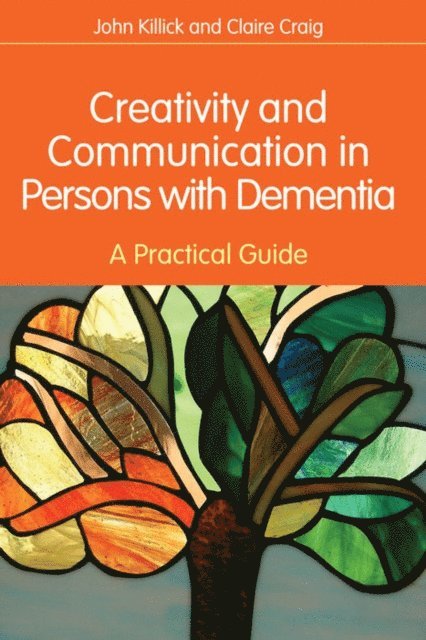
    Creativity and Communication in Persons with Dementia

    A Practical Guide

    AvClaire Craig,Mr John Killick

    E-bok
    Engelska, 2011

    471 kr

    Läs direkt i Bokus Reader – eller ladda ned till din enhet

    Fler format och utgåvor

    Häftad

    Tillf. slut

    Beskrivning

    Providing people with dementia with opportunities to engage in creative activity can play a crucial role in maintaining and enhancing communication, and in reinforcing personhood and identity. This thoughtful book describes how people with dementia, and the people who work with and care for them, can foster and develop a creative approach, and provides rich and varied ideas for creative activities. The authors explore the concept of creativity - what exactly it is, its particular relevance for people with dementia and how to get into the creative 'flow'. They introduce a range of creative art forms, including poetry and story-telling, collage, drama, music-making, photography, textiles and working with wood and metal, and suggest possibilities for employing them in a range of settings, and with people of all abilities. Consideration is given to the practicalities of facilitating such creative work, including how to organise and run sessions, how to involve people with dementia and their carers, and how to reflect upon the experience. Practice examples are included throughout the book, as well as the comments and observations of people with dementia, and many examples of the artwork and poetry the authors have created with people with dementia over the years. Brimming with ideas, suggestions and helpful guidance, this is an essential resource for all those who work with people with dementia, and an inspiring read for people with dementia and their families.

    Produktinformation

    • Utgivningsdatum:2011-09-15
    • Språk:Engelska
    • Filformat:EPUB
    • Kopieringsskydd:LCP
    • ISBN:9780857003010
    • Förlag:Jessica Kingsley Publishers

    Utforska kategorier

    • Neurologi och klinisk neurofysiologi inom Medicin
    • Alzheimer, demens inom Medicin
    • Särskilda hälsotillstånd inom Hälsa och familj

    Mer om författaren

    John Killick has 16 years' experience of direct work with people with dementia in nursing homes, day centres, hospital wards, and in people's own homes. His pioneering poetry work is well-known internationally, but he has also explored the possibilities of using a variety of other art-forms to enhance communication. He has lectured, written, broadcasted and run training sessions in a variety of countries and is passionately committed to increasing opportunities for people with the condition everywhere to take part in creative activities. John is currently Writer in Residence for Alzheimer Scotland and runs an improvised drama project for Scottish Dementia Working Group. Claire Craig is a qualified occupational therapist living in Yorkshire. The main focus of her work is the relationship between creativity and well-being, particularly in relation to people with dementia. She currently holds the ROMPA quality of Life Award for research focusing on creativity and spirituality in care homes and she gained the Higher Education Academy Subject Centre Learning & Teaching Award in 2010 in recognition for her innovative approaches to education. Claire works as a Senior Lecturer and Researcher in the Art and Design Research Centre at Sheffield Hallam University.

    Recensioner i media

    Killick and Craig must be applauded for their truly inspirational practical guide on Creativity and Communication in Persons with Dementia. This book is a true celebration of the power of the arts for people living with dementia and is drawn on the authors' own experiences and wisdom.

    Innehållsförteckning

    • Introduction. Part I: Why the Arts? 1. What is Creativity? 2. What the Arts Can Do. 3. Getting in the Flow. Part II: What's on Offer. 4. The Food of Love: The Language of Music. 5. Moving in the Moment: Dance. 6. Giving Voice: Writing Poetry. 7. Making it all up: Improvisation and Other Dramas. 8. Telling Stories. 9. Conversations in Paint. 10. Playing with Mud: Ceramics and Clay. 11. Working with the Hard Stuff: Wood, Metal and Glass. 12. Textured Journeys: Exploring the Potential of Textiles. 13. Between Memory and Imagination: Collage and Life-Story Work. 14. Further than the Eye can See: Photography. 15. Putting the IT into Creativity. 16. Space and Place. 17. Taking it all in: Audience Involvement. Part III: Making Things Happen. 18. Getting Real. 19. Starting Out. 20. Drilling Down to the Detail. 21. Giving Creativity a Shape. 22. Measuring Success. 23. Making Space for your own Creativity. Part IV: Living it Out. 24. All Together: The Arts as Identity. 25. Beyond Grass. 26. Two Residencies. 27. Putting on the Ritz. 28. Ian and Me-ness. 29. Alan: Quick-change Artist. 30. Painting with Olivia. Conclusion. Further Reading. Index.