• Fri frakt över 249 kr
  • •
  • Snabba leveranser
  • •
  • Billiga böcker
Kundservice

Du är på sajten för privatpersoner.

Företag, bibliotek eller offentlig verksamhet?

Du handlar på classic.bokus.com, där alla dina funktioner finns intakta.
Till classic.bokus.com
Bokus logotyp. Gå till startsidan.
  • Erbjudanden
  • Nyheter
  • Student
  • Topplistor
  • Barn & ungdom
  • Bokus Play
  • E-böcker
  • Pocketböcker
  • Spel & pussel

10% rabatt på allt med kod: NYSTART10 →

Sidfot

Mina sidor

    Hjälp

    • Kundservice
    • Vanliga frågor och svar
    • Frakt och leverans
    • Retur vid ångerrätt
    • Reklamera vara
    • Betalning
    • Köpvillkor
    • Allmänna villkor
    • Information om webbplatsens tillgänglighet

    Om Bokus

    • Om oss
    • Pressrum
    • För studenter
    • För företag
    • För bibliotek och offentlig verksamhet
    • För leverantörer
    • Hållbarhet

    Populärt

    • Aktuella erbjudanden
    • Presentkort
    • Studentlitteratur
    • Nya böcker
    • Topplistor
    • Signerade böcker
    • Engelska böcker

    Inspiration

    • Boktips
    • BookTok
    • Populära bokserier
    • Barnbokskaraktärer
    • Populära författare
    Logotyp för Bokus
    Följ oss på Facebook (extern länk)Följ oss på Instagram (extern länk)Följ oss på YouTube (extern länk)Följ oss på TikTok (extern länk)
    bokus @ CookiesAnpassa cookiesIntegritetspolicyKöpvillkor
    Till Citymail hemsida (extern länk)Till Budbee hemsida (extern länk)Till Postnord hemsida (extern länk)Till Schenker hemsida (extern länk)Till Early Bird hemsida (extern länk)Till Walleys hemsida (extern länk)
    1. Psykologi och pedagogik
    2. Psykologi
    3. Biologisk psykologi och neuropsykologi

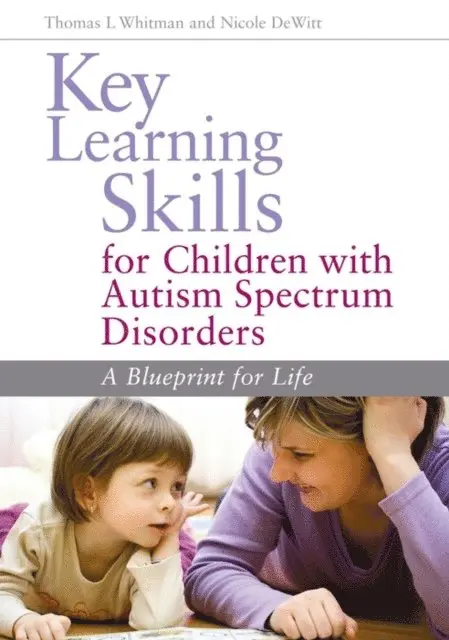
    Key Learning Skills for Children with Autism Spectrum Disorders

    A Blueprint for Life

    AvNicole DeWitt,Thomas L. Whitman

    E-bok
    Engelska, 2011

    399 kr

    Läs direkt i Bokus Reader – eller ladda ned till din enhet

    Fler format och utgåvor

    Häftad

    440 kr

    Beskrivning

    Finding a way of simultaneously addressing the sensory, motor, emotional, communicative, cognitive and social needs of children on the autism spectrum can be a real challenge, and choosing from the vast array of options available is a daunting task. This book provides a blueprint for an educational intervention program that is evidence-based, comprehensive in scope and integrative in its approach.Grouping techniques into five categories for discussion, the book examines autism spectrum disorders within a developmental context, and shows that interventions with autistic individuals are not only possible, but can be really successful. Specific intervention strategies and program examples for developing competencies in areas such as joint attention, sensory integration, motor functioning, impulse control, memory, self-awareness, theory of mind and empathy, abstract thinking, problem-solving, social skills and community engagement, are presented. Techniques for dealing with specific behavior problems are also examined, including toileting delays, temper-tantrums, and eating and sleeping problems, amongst many others.This book will be essential reading for families, teachers, and other professionals working with children with autism.

    Produktinformation

    • Utgivningsdatum:2011-08-15
    • Språk:Engelska
    • Filformat:EPUB
    • Kopieringsskydd:LCP
    • ISBN:9780857004673
    • Förlag:Jessica Kingsley Publishers

    Utforska kategorier

    • Biologisk psykologi och neuropsykologi inom Psykologi och pedagogik
    • Specialundervisning inom Psykologi och pedagogik
    • Autism och Aspergers syndrom inom Medicin

    Mer om författaren

    Thomas L. Whitman is a Professor of Psychology at the University of Notre Dame, Indiana. His research and scholarship have centered on the investigation of biological and social factors that place children at risk for physical, cognitive and socioemotional problems. He is the author of over a hundred research articles and chapters, and five previous books. His current research and publications focus on stress and coping in mothers of children with autism spectrum disorders. He is the co-director of the Notre Dame Research Training Program on Intellectual and Developmental Disabilities, has been the recipient of numerous federal research and training grants, and has taught courses in the area of developmental disabilities and autism for most of his professional career.Nicole DeWitt's educational background is in the area of psychology. She has a Masters Degree in psychology and behavior analysis from Western Michigan University. She is a board certified behavior analyst who has trained graduate and undergraduate college students in the principles and application of learning-based education programs for children with disabilities. She has served as a director of home-based services for children with autism and their families. In her current position at the Sonya Ansari Regional Center for Autism she is involved in developing and evaluating intervention and education programs for children with autism in family, school and other community settings.

    Recensioner i media

    Educators and parents alike will find it extremely helpful as they navigate the often perplexing world of ASD. Addressing topics which include empathy, social engagement, communication, and attention, Whitman and DeWitt outline strategies that will enable caregivers to teach autistic children the skills they need to survive and thrive in a world that can be unforgiving in its demand for conformity.Whitman and DeWitt manage to strike the perfect balance between theory and practical advice… those who've gone past the overwhelmed stage and entered the determined stage will find enormous support. The authors are refreshingly matter-of-fact in their approach to autism and based solidly in the scientific camp. With their help, parents, educators, and children can all make great strides.

    Innehållsförteckning

    • Preface. 1. Selection of Appropriate Interventions. 2. Interventions. 3. Core Learning Skills. 4. Emotion-related Problems. 5. Sensory Problems. 6. Sensorimotor Deficiencies. 7. Language and Communication Problems. 8. Cognitive Deficiencies. 9. Social Interaction Problems. 10. Self-regulation Deficiencies. 11. Behavior Problems, Developmental Challenges and Medical Issues. Index.