• Fri frakt över 249 kr
  • •
  • Snabba leveranser
  • •
  • Billiga böcker
Kundservice

Du är på sajten för privatpersoner.

Företag, bibliotek eller offentlig verksamhet?

Du handlar på classic.bokus.com, där alla dina funktioner finns intakta.
Till classic.bokus.com
Bokus logotyp. Gå till startsidan.
  • Erbjudanden
  • Nyheter
  • Student
  • Topplistor
  • Barn & ungdom
  • Bokus Play
  • E-böcker
  • Pocketböcker
  • Spel & pussel

10% rabatt på allt med kod NYSTART10 →

Sidfot

Mina sidor

    Hjälp

    • Kundservice
    • Vanliga frågor och svar
    • Frakt och leverans
    • Retur vid ångerrätt
    • Reklamera vara
    • Betalning
    • Köpvillkor
    • Allmänna villkor
    • Information om webbplatsens tillgänglighet

    Om Bokus

    • Om oss
    • Pressrum
    • För studenter
    • För företag
    • För bibliotek och offentlig verksamhet
    • För leverantörer
    • Hållbarhet

    Populärt

    • Aktuella erbjudanden
    • Presentkort
    • Studentlitteratur
    • Nya böcker
    • Topplistor
    • Signerade böcker
    • Engelska böcker

    Inspiration

    • Boktips
    • BookTok
    • Populära bokserier
    • Barnbokskaraktärer
    • Populära författare
    Logotyp för Bokus
    Följ oss på Facebook (extern länk)Följ oss på Instagram (extern länk)Följ oss på YouTube (extern länk)Följ oss på TikTok (extern länk)
    bokus @ CookiesAnpassa cookiesIntegritetspolicyKöpvillkor
    Till Citymail hemsida (extern länk)Till Budbee hemsida (extern länk)Till Postnord hemsida (extern länk)Till Schenker hemsida (extern länk)Till Early Bird hemsida (extern länk)Till Walleys hemsida (extern länk)
    1. Samhälle och politik
    2. Sociologi och antropologi
    3. Antropologi

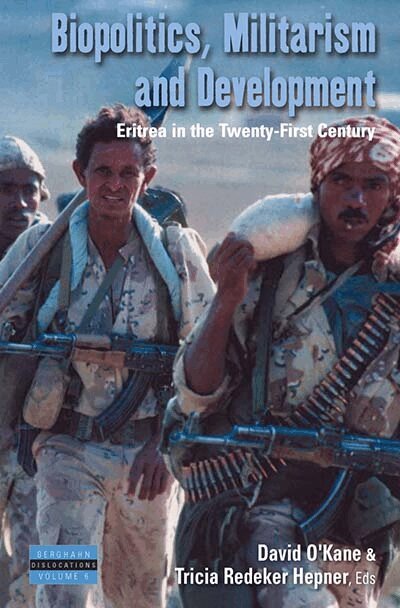
    Biopolitics, Militarism, and Development

    Eritrea in the Twenty-First Century

    AvDavid O'Kane,Tricia Redeker Hepner

    Häftad, Engelska, 2011

    Del i serien Dislocations

    511 kr

    Beställningsvara. Skickas inom 5-8 vardagar. Fri frakt över 249 kr.

    Beskrivning

    Bringing together original, contemporary ethnographic research on the Northeast African state of Eritrea, this book shows how biopolitics - the state-led deployment of disciplinary technologies on individuals and population groups - is assuming particular forms in the twenty-first century. Once hailed as the “African country that works,” Eritrea’s apparently successful post-independence development has since lapsed into economic crisis and severe human rights violations. This is due not only to the border war with Ethiopia that began in 1998, but is also the result of discernible tendencies in the “high modernist” style of social mobilization for development first adopted by the Eritrean government during the liberation struggle (1961–1991) and later carried into the post-independence era. The contributions to this volume reveal and interpret the links between development and developmentalist ideologies, intensifying militarism, and the controlling and disciplining of human lives and bodies by state institutions, policies, and discourses. Also assessed are the multiple consequences of these policies for the Eritrean people and the ways in which such policies are resisted or subverted. This insightful, comparative volume places the Eritrean case in a broader global and transnational context.

    Produktinformation

    • Utgivningsdatum:2011-02-01
    • Mått:152 x 229 x 13 mm
    • Vikt:322 g
    • Format:Häftad
    • Språk:Engelska
    • Serie:Dislocations
    • Antal sidor:236
    • Förlag:Berghahn Books
    • ISBN:9780857452894

    Utforska kategorier

    • Antropologi inom Samhälle och politik
    • Politik och statsskick inom Samhälle och politik

    Mer om författaren

    David O'Kane is a graduate of the National University of Ireland and Queen's University Belfast. He has worked in universities in Eritrea, Northern Ireland, the Republic of Ireland, Britain, Russia, and New Zealand.

    Recensioner i media

    “…provides a much-needed collection of ethnographies and historical analyses on Eritrea’s development model and its discontents…the ethnographies presented in this volume contribute towards a rare perspective on Eritrean militarized and militarizing development and state formation.”  ·  JRAI“…provides a much needed, first-rate collection of scholarship concerning the operations and development of the Eritrean state during the last decade. Each chapter utilizes well-grounded research to illustrate the myriad complexities related to Eritrean national identity, state-building, and the political significance of diasporic communities.”  ·  North East African Studies“This volume offers significant and  new information on and insights into current developments in many different areas and – thanks to a comprehensive bibliography on Eritrea  and theoretical foundations of the concept of biopolitics as an appendix – inspirations for further general readings and reflections in the field of political.science.”  ·  Peripherie“This little collection provides an excellent overview of the processes and policies at work in these transformations and gives a multifaceted picture of contemporary Eritrea…The volume is organized around the theme of biopolitics, militarism, and the state and the chapters while quite diverse in subject matter work together exceptionally well in addressing common themes. This book should be read by policy makers and those engaged in humanitarian interventions in the Horn of Africa.”  ·  Anthropos

    Innehållsförteckning

    • Introduction: Biopolitics, Militarism and Development in Contemporary EritreaTricia Redeker Hepner and David O’KaneChapter 1. Pitfalls of Nationalism in EritreaTekle M. WoldemikaelChapter 2. War, Spatio-temporal Perception, and the Nation: Fighters and Farmers in the HighlandsMichael MahrtChapter 3. The Youth Has Gone From Our Soil: Place and Politics in Refugee Resettlement and Agrarian DevelopmentAmanda PooleChapter 4. Human Resource Development and the State: Higher Education in Post-Revolutionary EritreaTanja R. MüllerChapter 5. Avoiding Wastage by Making Soldiers: Technologies of the State and the Imagination of the Educated NationJennifer RigganChapter 6. Trapped in Adolescence: The Post-War Urban GenerationMagnus TreiberChapter 7. Seeking Asylum in a Transnational Social Field: New Refugees and Struggles for Autonomy and Human RightsTricia Redeker HepnerChapter 8. The Eritrean State in Comparative PerspectiveGreg CameronConclusion: Biopolitics and Dilemmas of Development in Eritrea and ElsewhereTricia Redeker Hepner and David O’KaneBibliographyIndex