• Fri frakt över 249 kr
  • •
  • Snabba leveranser
  • •
  • Billiga böcker
Kundservice

Du är på sajten för privatpersoner.

Företag, bibliotek eller offentlig verksamhet?

Du handlar på classic.bokus.com, där alla dina funktioner finns intakta.
Till classic.bokus.com
Bokus logotyp. Gå till startsidan.
  • Erbjudanden
  • Nyheter
  • Student
  • Topplistor
  • Barn & ungdom
  • Bokus Play
  • E-böcker
  • Pocketböcker
  • Spel & pussel

10% rabatt på allt med kod: NYSTART10 →

Sidfot

Mina sidor

    Hjälp

    • Kundservice
    • Vanliga frågor och svar
    • Frakt och leverans
    • Retur vid ångerrätt
    • Reklamera vara
    • Betalning
    • Köpvillkor
    • Allmänna villkor
    • Information om webbplatsens tillgänglighet

    Om Bokus

    • Om oss
    • Pressrum
    • För studenter
    • För företag
    • För bibliotek och offentlig verksamhet
    • För leverantörer
    • Hållbarhet

    Populärt

    • Aktuella erbjudanden
    • Presentkort
    • Studentlitteratur
    • Nya böcker
    • Topplistor
    • Signerade böcker
    • Engelska böcker

    Inspiration

    • Boktips
    • BookTok
    • Populära bokserier
    • Barnbokskaraktärer
    • Populära författare
    Logotyp för Bokus
    Följ oss på Facebook (extern länk)Följ oss på Instagram (extern länk)Följ oss på YouTube (extern länk)Följ oss på TikTok (extern länk)
    bokus @ CookiesAnpassa cookiesIntegritetspolicyKöpvillkor
    Till Citymail hemsida (extern länk)Till Budbee hemsida (extern länk)Till Postnord hemsida (extern länk)Till Schenker hemsida (extern länk)Till Early Bird hemsida (extern länk)Till Walleys hemsida (extern länk)
    1. Samhälle och politik
    2. Samhälle och kultur
    3. Kultur och medier
    4. Referensverk och tvärvetenskap

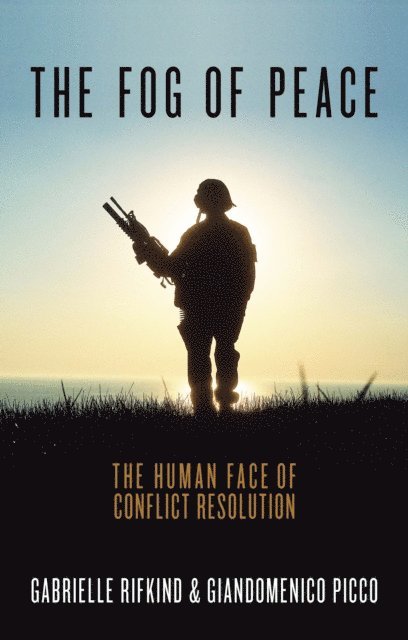
    Fog of Peace

    The Human Face of Conflict Resolution

    AvGabrielle Rifkind,Giandomenico Picco

    E-bok
    Engelska, 2013

    830 kr

    Läs direkt i Bokus Reader – eller ladda ned till din enhet

    Fler format och utgåvor

    E-bok

    818 kr

    Inbunden

    760 kr

    Häftad

    240 kr

    Beskrivning

    Institutions do not decide whom to destroy or to kill, whether to make peace or war; those decisions are the responsibility of individuals. This book argues that the most important aspect of conflict resolution is for antagonists to understand their opponents, their ambitions, their pains. Gabrielle Rifkind and Giandomenico Pico present two very different experiences of international relations – Rifkind as a psychotherapist now immersed in the politics of the Middle East, and Picco as a career diplomat with a successful record as a negotiator at the UN. Developing links between psychology and politics, the authors ask: should we talk to the enemy? What happens if the protagonists are nasty and brutish, tempting policy-makers to retaliate? How do nations find the capacity not to hit back, trapping themselves in endless cycles of violence? Presenting a unique combination of psychological theories, geopolitical realities and first-hand peace-making experience, this book sheds new light on some of the worst conflicts in the modern world and demonstrates, above all, how empathy can often be far more persuasive than the most fearsome weapons.

    Produktinformation

    • Utgivningsdatum:2013-12-17
    • Språk:Engelska
    • Antal sidor:288
    • Filformat:EPUB
    • Kopieringsskydd:LCP
    • ISBN:9780857734662
    • Förlag:Bloomsbury Publishing PLC

    Utforska kategorier

    • Referensverk och tvärvetenskap inom Samhälle och politik
    • Internationella relationer inom Samhälle och politik

    Mer om författaren

    Gabrielle Rifkind is the director of the Middle East Research Programme at Oxford Research Group, in the UK. Giandomenico Picco was a diplomat and negotiator for the UN, and a UN undersecretary. He is currently a business negotiations consultant.

    Innehållsförteckning

    • ContentsPrefaceIntroductionThe Inhuman Face of PeacemakingPRACTICE NOT THEORYA so-called diplomat's story by Gianni PiccoA personal storyLife lessons applied: freeing hostages in LebanonFinding the Iranian national narrative: The need for historical justiceThe narrative of the Hezbollah hostage takersNegotiating the end of the Iran–Iraq WarThe Afghan – Soviet War?Institutions empowering individualsThe Therapist's story by Gabrielle RifkindPersonal storyA practical catalystFocusing on the Middle EastA long term ceasefire: a period without violenceVague heading? So what do we learn? ?Understanding human motivationTHE PSYCHOLOGY OF CONFLICTNo Politics without PsychologyHow psychology shapes the politicsCollective memory and how we shape narrativeThe Cultural MindEmpathyIncentivizing people to changeAre we changing for the better?Why change is so difficultIsrael: From ?cap TTrauma to where?Do we have to have a crisis to change?? in text it's Does there have to be a crisis to change? which?A military mindsetThe link between trauma and mistrust in politicsThe Taliban mindThe Taliban mind – a look beyond the headlinesSacred values and insecurity?My God is right, yours is wrongPolitical IslamHamas in governmentPolitically inclusive spacesIran: getting into the mind of the enemyThe nuclear discourse in the Islamic RepublicUS and Iran: 33 years of mistrust12 Successful Negotiations With IranNegotiating With Iran – A Personal AccountA negotiator's lensThe geo-political landscapeARE WE BETTER AT FIGHTING WARS THAN FIGHTING FOR PEACE?The Changing Nature of WarfareThe new wars?CyberwarKilling at a distance - drone warfareThe industrial military complexNon violent actionAlternatives to war: do we need to get smarter?A wider lens: through other people's eyes?No thorough strategic planning ? The dangers of planning without strategySyria: early intervention of the third kindshorter and sweeter sub heading type heading requiredWas violence inevitable in Syria? Would early intervention have made a difference?A commando team of mediatorsNEW STRUCTURES /OLD STRUCTURESBeyond the Nation State: Do We Still Need an Enemy?A Technological revolutionBeyond the nation stateEmpowerment of the individual via new social technologyA different kind of identityA look into the futureSpeed versus heft: QatarFrom Multilateralism to ?lc OKminilateralismThe genie of more local identity?The European experiment[Separation of identity from governance and territory]THE HUMAN FACE OF PEACEMAKINGThe Art of NegotiationsThe antithesis of peacemaking??The Northern Ireland peace process: creative ambiguityOslo: the human face of peace-making[Reflections on the “effectiveness” of negotiations]The politics of self awareness[Emotions that induced negative reactions][Emotions that induce positive behaviour]?Living without hatredHow we create our identityFinding the national NarrativeHistory as narrativeLiving without an enemyAfterwards? Afterword: Peacemaking is FoggyBibliographyIndex