
Wives, Slaves, and Concubines
A History of the Female Underclass in Dutch Asia
Inbunden, Engelska, 2010
567 kr
Beställningsvara. Skickas inom 10-15 vardagar. Fri frakt över 249 kr.
Beskrivning
Wives, Slaves, and Concubines argues that Dutch colonial practices and law created a new set of social and economic divisions in Batavia-Jakarta, modern-day Indonesia, to deal with difficult realities in Southeast Asia. Jones uses compelling stories from ordinary Asian women to explore the profound structural changes occurring at the end of the early colonial period—changes that helped birth the modern world order. Based on previously untapped criminal proceedings and testimonies by women who appeared before the Dutch East India Company's Court of Alderman, this fascinating study details the ways in which demographic and economic realities transformed the social and legal landscape of eighteenth-century Batavia-Jakarta. Southeast Asian women played an inordinately important role in the functioning of the early modern Asia Trade and in the short- and long-term operations of the Dutch East India Company (VOC). Southeast Asia was a place where most individuals operated within an intricate web of multiple, fluid, situational, and reciprocal social relationships ranging from dependence to bondedness to slavery. The eighteenth century represents an important turning point: the relatively open and autonomous Asia Trade that prompted Columbus to set sail had begun to give way to an age of high imperialism and European economic hegemony. How did these changes affect life for ordinary women in early modern Dutch Asia, and how did the transformations wrought by Dutch colonialism alter their lives? The VOC created a legal division that favored members of mixed VOC families, those in which Asian women married men employed by the VOC. Thus, employment—not race—became the path to legal preference, a factor that disadvantaged the rest of the Asian women. In short, colonialism created a new underclass in Asia, one that had a particularly female cast. By the latter half of the eighteenth century, an increasingly operational dichotomy of slave and free supplanted an otherwise fluid system of reciprocal bondedness. The inherent divisions of this new system engendered social friction, especially as the emergent early modern economic order demanded new, tractable forms of labor. Dutch domestic law gave power to female elites in Dutch Asia, but it left the majority of women vulnerable to the more privileged on both sides of this legal divide. Slaves fled and violence erupted when traditional expectations of social mobility collided with new demands from the masters and the state.
Produktinformation
Utforska kategorier
Mer om författaren
Recensioner i media
Innehållsförteckning

Hoppa över listan





Du kanske också är intresserad av
- -19%
- Nyhet
- Nyhet
- -30%
Del 1
- Signerad!
Del 3
- -21%
- -30%
- Nyhet
- Nyhet
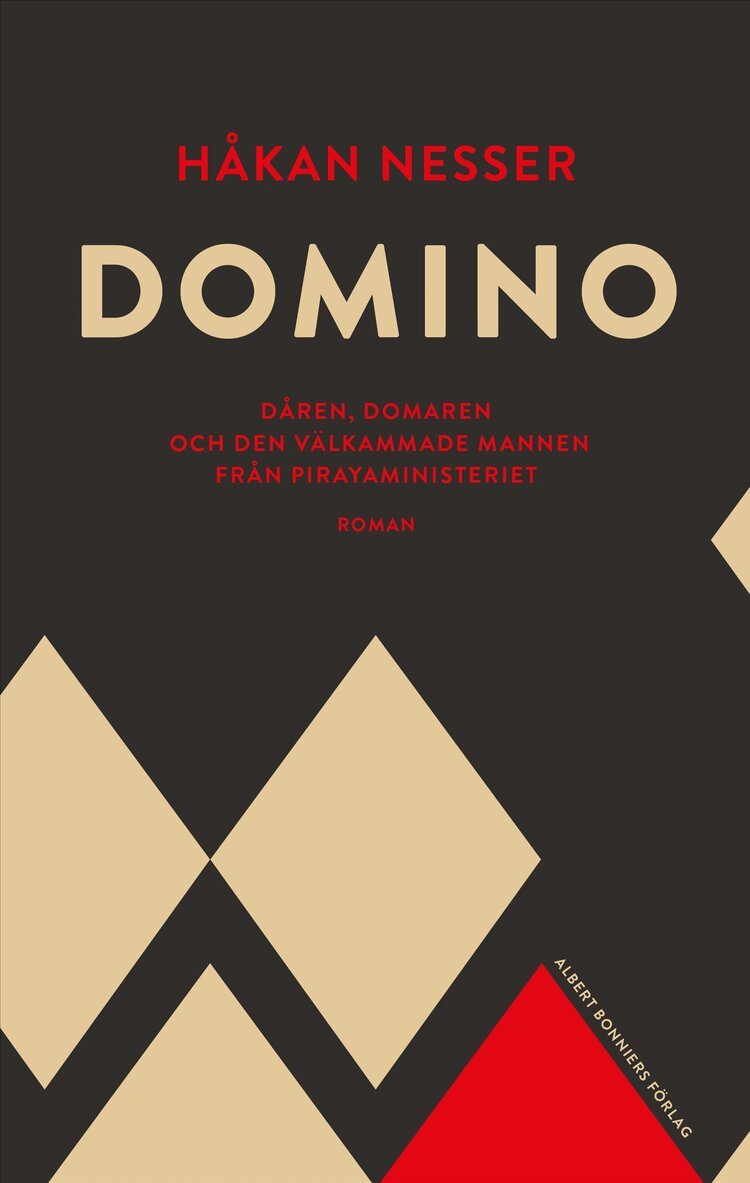
Domino : Dåren, domaren och den välkammade mannen från pirayaministeriet
Håkan Nesser
Inbunden, 2026
259 kr
- -19%