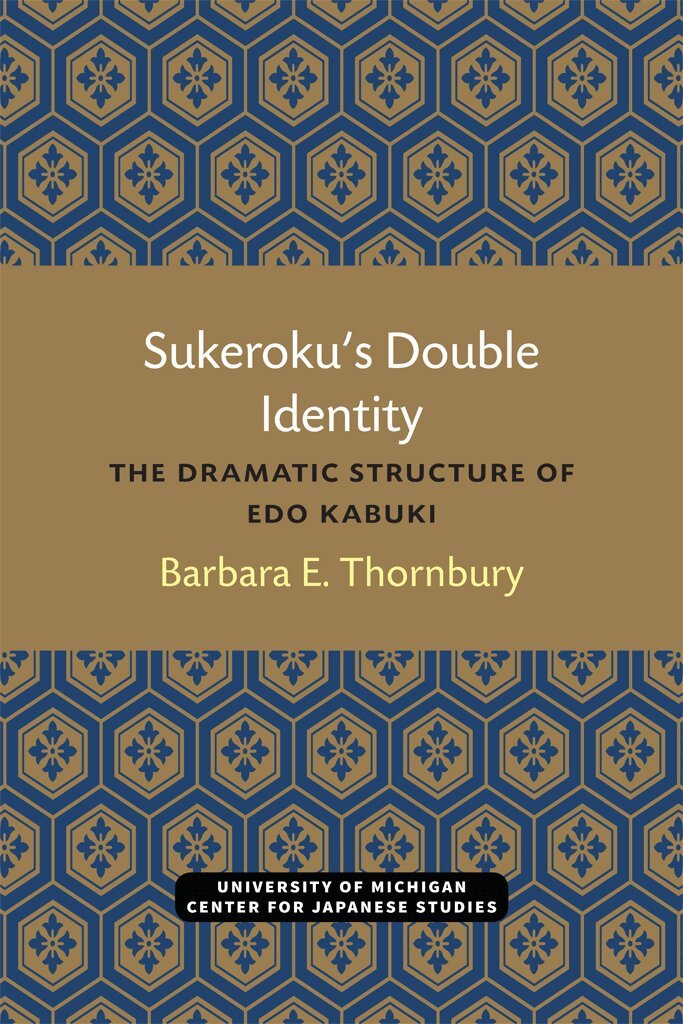
Häftad, Engelska, 1982
Sukeroku’s Double Identity
146 kr
Beställningsvara. Skickas inom 5-8 vardagar. Fri frakt över 249 kr.
Beskrivning
The aim of this book is to show that seemingly illogical double identity of the townsman, Sukeroku, and the samurai, Soga Goro, in the play Sukeroku is a surviving element of what was once a complex and coherent structure based on a traditional performance calendar. To show how the calendar function and what Sukeroku's double identity signifies, the book is divided into two parts. Part One studies the structure of Edo kabuki. The first chapter, which outlines that structure, is based for the most part on writings of the Tokugawa period. The second chapter then looks at the concepts of sekai, "tradition," and shuko, "innovation." Kabuki was the product of material that had become a familiar part of Japanese culture by repeated use and dramatization over long periods of time, starting before kabuki began, and material that was relatively new and was used to transform the older, set material. The double identity in Sukeroku came about as a result of this interplay between what was received by way of traditional and what was added by way of innovation. Part Two considers the significance of the double identity. The author concludes that Sukeroku's double identity gave Edo audiences a hero who was an idealization of the contemporary Tokugawa townsman and at the same time a transformation of a samurai god-hero of the past. The first chapter of Part Two traces the development of Sukeroku's Soga Goro/samurai identity, from its origins in the early dramatic forms of no, kowaka, and ko-joruri, to the representation of Soga Goro in kabuki by Ichikawa Danjuro I. The seconds then looks at the transformation of Soga Gorointo Sukeroku by discussing the origins of Sukeroku and its introductions to Edo kabuki by Ichikawa Danjuro I and his son, Danjuro II, since their work was the basis of all later developments.
Produktinformation
- Utgivningsdatum: 1982-01-01
- Mått: 152 x 229 x undefined mm
- Format: Häftad
- Språk: Engelska
- Serie: Michigan Papers in Japanese Studies
- Antal sidor: 112
- Förlag: The University of Michigan Press
- ISBN: 9780939512119
Utforska kategorier
Betyg & recensioner
0 recensioner
Inga recensioner tillgängliga.