• Fri frakt över 249 kr
  • •
  • Snabba leveranser
  • •
  • Billiga böcker
Kundservice

Du är på sajten för privatpersoner.

Företag, bibliotek eller offentlig verksamhet?

Du handlar på classic.bokus.com, där alla dina funktioner finns intakta.
Till classic.bokus.com
Bokus logotyp. Gå till startsidan.
  • Erbjudanden
  • Nyheter
  • Student
  • Topplistor
  • Barn & ungdom
  • Bokus Play
  • E-böcker
  • Pocketböcker
  • Spel & pussel

10% rabatt på allt med kod NYSTART10 →

Sidfot

Mina sidor

    Hjälp

    • Kundservice
    • Vanliga frågor och svar
    • Frakt och leverans
    • Retur vid ångerrätt
    • Reklamera vara
    • Betalning
    • Köpvillkor
    • Allmänna villkor
    • Information om webbplatsens tillgänglighet

    Om Bokus

    • Om oss
    • Pressrum
    • För studenter
    • För företag
    • För bibliotek och offentlig verksamhet
    • För leverantörer
    • Hållbarhet

    Populärt

    • Aktuella erbjudanden
    • Presentkort
    • Studentlitteratur
    • Nya böcker
    • Topplistor
    • Signerade böcker
    • Engelska böcker

    Inspiration

    • Boktips
    • BookTok
    • Populära bokserier
    • Barnbokskaraktärer
    • Populära författare
    Logotyp för Bokus
    Följ oss på Facebook (extern länk)Följ oss på Instagram (extern länk)Följ oss på YouTube (extern länk)Följ oss på TikTok (extern länk)
    bokus @ CookiesAnpassa cookiesIntegritetspolicyKöpvillkor
    Till Citymail hemsida (extern länk)Till Budbee hemsida (extern länk)Till Postnord hemsida (extern länk)Till Schenker hemsida (extern länk)Till Early Bird hemsida (extern länk)Till Walleys hemsida (extern länk)
    1. Samhälle och politik
    2. Samhälle och kultur
    3. Kultur och medier
    4. Referensverk och tvärvetenskap

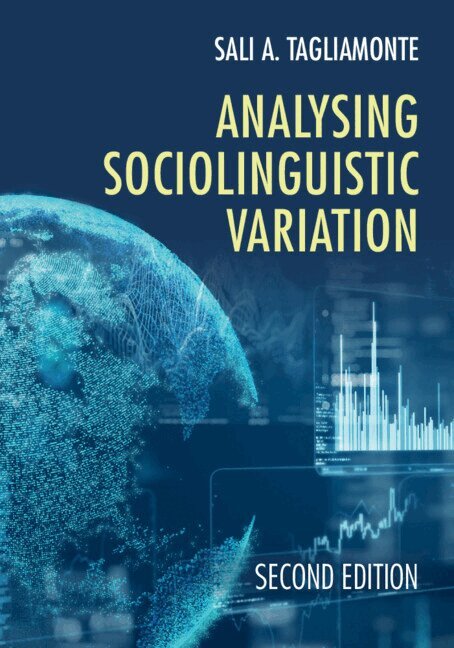
    Analysing Sociolinguistic Variation

    AvSali A. Tagliamonte

    Inbunden, Engelska, 2025

    1 250 kr

    Beställningsvara. Skickas inom 10-15 vardagar. Fri frakt över 249 kr.

    Fler format och utgåvor

    Häftad

    377 kr

    E-bok

    455 kr

    E-bok

    455 kr

    Beskrivning

    Now in its second edition, this is an invaluable manual for teaching and learning variation analysis, the quantitative study of linguistic variation and change. Written by a leading scholar in the field with over thirty years of experience, it provides an insider's view of the methodology through practical, 'hands-on' advice, including straightforward instructions for conducting analyses using the R programming language, the new gold standard for analysis. It leads readers through each phase of a research study based on data gathered in sociocultural contexts, beginning with the selection and sampling of a data source, to hints on successful project design, interview techniques, data management, analysis and interpretation, with systematic procedures provided at each step of the process. This edition has been fully updated, with new insights and explanations in line with recent discoveries in the field, making it essential reading for anyone embarking on their own sociolinguistic research project.
    Produktinformation

    • Utgivningsdatum:2025-07-03
    • Mått:183 x 260 x 25 mm
    • Vikt:865 g
    • Format:Inbunden
    • Språk:Engelska
    • Antal sidor:376
    • Upplaga:2
    • Förlag:Cambridge University Press
    • ISBN:9781009403085

    Utforska kategorier

    • Referensverk och tvärvetenskap inom Samhälle och politik
    • Språkvetenskap och lingvistik inom Språk och ordböcker

    Mer om författaren

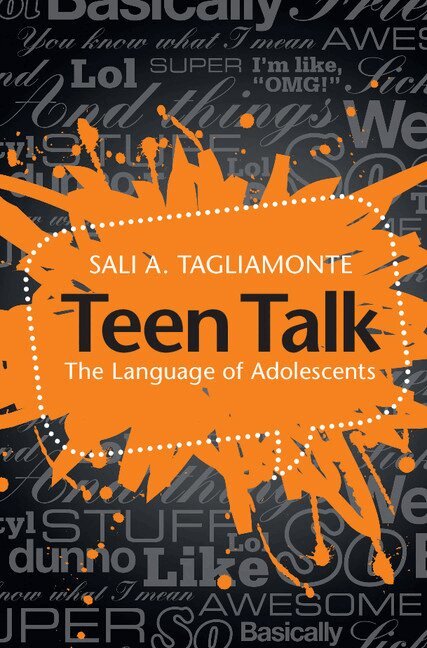
    Sali A. Tagliamonte is a Professor of Linguistics at the University of Toronto, a Canada Research Chair and Fellow of the Royal Society of Canada. Her recent publications include Making Waves (2016) and Teen Talk (2016). She is also the editor of the book series, Studies in Language Variation and Change.

    Innehållsförteckning

    • List of figures; List of Tables; Preface; 1. Introduction; 2. Data collection; 3. The sociolinguistic interview; 4. Data handling; 5. The linguistic variable; 6. Formulating hypotheses/operationalising claims; 7. Why use statistics?; 8. Distributional analysis; 9. Exploratory modelling; 10. Mixed effects modelling; 11. Visualisation; 12. Reporting your results; 13. Finding the story; References; Index.