• Fri frakt över 249 kr
  • •
  • Snabba leveranser
  • •
  • Billiga böcker
Kundservice

Du är på sajten för privatpersoner.

Företag, bibliotek eller offentlig verksamhet?

Du handlar på classic.bokus.com, där alla dina funktioner finns intakta.
Till classic.bokus.com
Bokus logotyp. Gå till startsidan.
  • Erbjudanden
  • Nyheter
  • Student
  • Topplistor
  • Barn & ungdom
  • Bokus Play
  • E-böcker
  • Pocketböcker
  • Spel & pussel

10% rabatt på allt med kod NYSTART10 →

Sidfot

Mina sidor

    Hjälp

    • Kundservice
    • Vanliga frågor och svar
    • Frakt och leverans
    • Retur vid ångerrätt
    • Reklamera vara
    • Betalning
    • Köpvillkor
    • Allmänna villkor
    • Information om webbplatsens tillgänglighet

    Om Bokus

    • Om oss
    • Pressrum
    • För studenter
    • För företag
    • För bibliotek och offentlig verksamhet
    • För leverantörer
    • Hållbarhet

    Populärt

    • Aktuella erbjudanden
    • Presentkort
    • Studentlitteratur
    • Nya böcker
    • Topplistor
    • Signerade böcker
    • Engelska böcker

    Inspiration

    • Boktips
    • BookTok
    • Populära bokserier
    • Barnbokskaraktärer
    • Populära författare
    Logotyp för Bokus
    Följ oss på Facebook (extern länk)Följ oss på Instagram (extern länk)Följ oss på YouTube (extern länk)Följ oss på TikTok (extern länk)
    bokus @ CookiesAnpassa cookiesIntegritetspolicyKöpvillkor
    Till Citymail hemsida (extern länk)Till Budbee hemsida (extern länk)Till Postnord hemsida (extern länk)Till Schenker hemsida (extern länk)Till Early Bird hemsida (extern länk)Till Walleys hemsida (extern länk)
    1. Språk och ordböcker
    2. Språkvetenskap och lingvistik

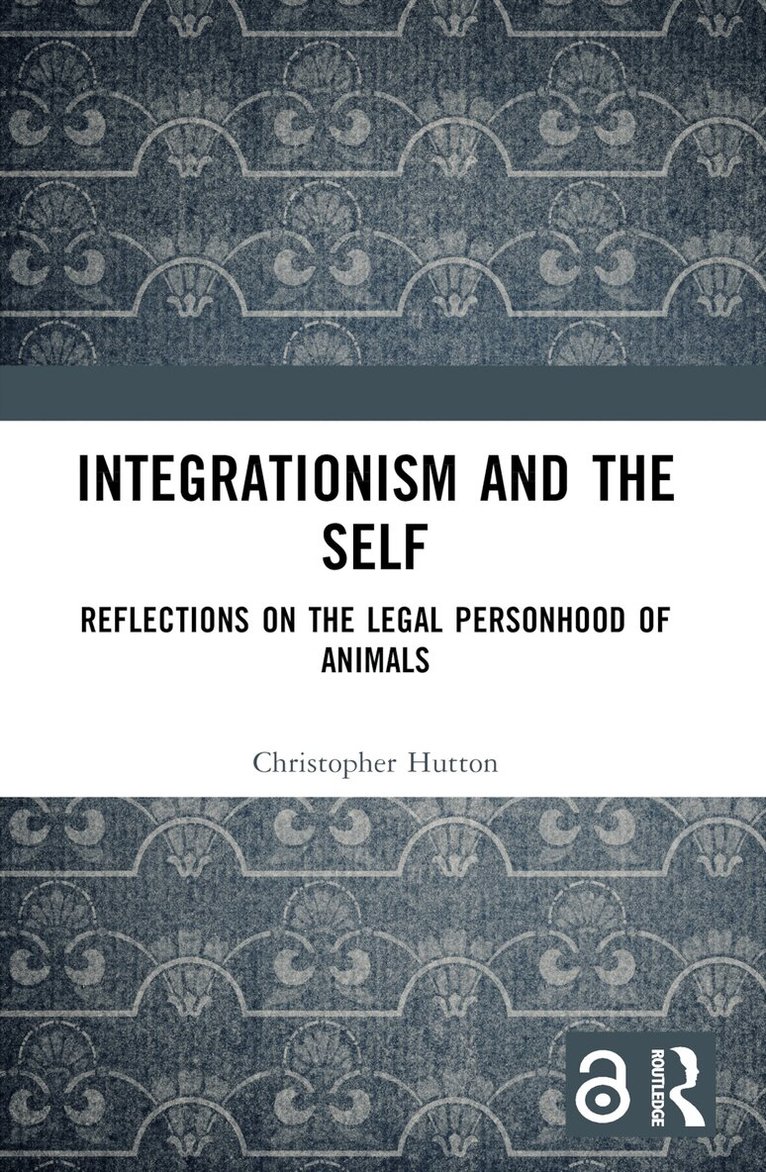
    Integrationism and the Self

    Reflections on the Legal Personhood of Animals

    AvChristopher Hutton

    Häftad, Engelska, 2021

    Del i serien Routledge Advances in Communication and Linguistic Theory

    681 kr

    Beställningsvara. Skickas inom 10-15 vardagar. Fri frakt över 249 kr.

    Fler format och utgåvor

    Inbunden

    2 423 kr

    Beskrivning

    In recent years a set of challenging questions have arisen in relation to the status of animals; their treatment by human beings; their cognitive abilities; and the nature of their feelings, emotions, and capacity for suffering. This ground-breaking book draws from integrational semiology to investigate arguments around the rights of certain animals to be recognized as legal persons, thereby granting them many of the protections enjoyed by humans. In parallel with these debates, the question of the legal personality of artificial intelligence (AI) systems has moved to the forefront of legal debate, with entities such as robots, cyborgs, self-driving cars, and genetically engineered beings under consideration. Integrationism offers a framework within which the wider theoretical and practical issues can be understood. Law requires closure and categorical answers; integrationism is an open-ended form of inquiry that is seen as removed from particular controversies. This book argues that the two domains can be brought together in a challenging and productive synthesis. A much-needed resource to examine the heart of this fascinating debate and a must-read for anyone interested in semiology, linguistics, philosophy, ethics, and law.

    Produktinformation

    • Utgivningsdatum:2021-06-30
    • Mått:156 x 234 x 11 mm
    • Vikt:350 g
    • Format:Häftad
    • Språk:Engelska
    • Serie:Routledge Advances in Communication and Linguistic Theory
    • Antal sidor:190
    • Förlag:Taylor & Francis Ltd
    • ISBN:9781032093093

    Utforska kategorier

    • Språkvetenskap och lingvistik inom Språk och ordböcker
    • Filosofiska discipliner inom Filosofi och religion

    Mer om författaren

    Christopher Hutton is Professor in the School of English at the University of Hong Kong.

    Innehållsförteckning

    • Introduction 1. Bedrock Concepts 2. The Analysis of Bedrock Concepts within Language Studies 3. Integrationism and Systems Theory 4. Animals, Personhood and Law 5. Litigating Animal Personhood Conclusion: A Personalist Perspective