• Fri frakt över 249 kr
  • •
  • Snabba leveranser
  • •
  • Billiga böcker
Kundservice

Du är på sajten för privatpersoner.

Företag, bibliotek eller offentlig verksamhet?

Du handlar på classic.bokus.com, där alla dina funktioner finns intakta.
Till classic.bokus.com
Bokus logotyp. Gå till startsidan.
  • Erbjudanden
  • Nyheter
  • Student
  • Topplistor
  • Barn & ungdom
  • Bokus Play
  • E-böcker
  • Pocketböcker
  • Spel & pussel

10% rabatt på allt med kod: NYSTART10 →

Sidfot

Mina sidor

    Hjälp

    • Kundservice
    • Vanliga frågor och svar
    • Frakt och leverans
    • Retur vid ångerrätt
    • Reklamera vara
    • Betalning
    • Köpvillkor
    • Allmänna villkor
    • Information om webbplatsens tillgänglighet

    Om Bokus

    • Om oss
    • Pressrum
    • För studenter
    • För företag
    • För bibliotek och offentlig verksamhet
    • För leverantörer
    • Hållbarhet

    Populärt

    • Aktuella erbjudanden
    • Presentkort
    • Studentlitteratur
    • Nya böcker
    • Topplistor
    • Signerade böcker
    • Engelska böcker

    Inspiration

    • Boktips
    • BookTok
    • Populära bokserier
    • Barnbokskaraktärer
    • Populära författare
    Logotyp för Bokus
    Följ oss på Facebook (extern länk)Följ oss på Instagram (extern länk)Följ oss på YouTube (extern länk)Följ oss på TikTok (extern länk)
    bokus @ CookiesAnpassa cookiesIntegritetspolicyKöpvillkor
    Till Citymail hemsida (extern länk)Till Budbee hemsida (extern länk)Till Postnord hemsida (extern länk)Till Schenker hemsida (extern länk)Till Early Bird hemsida (extern länk)Till Walleys hemsida (extern länk)
    1. Filosofi och religion
    2. Religion och tro

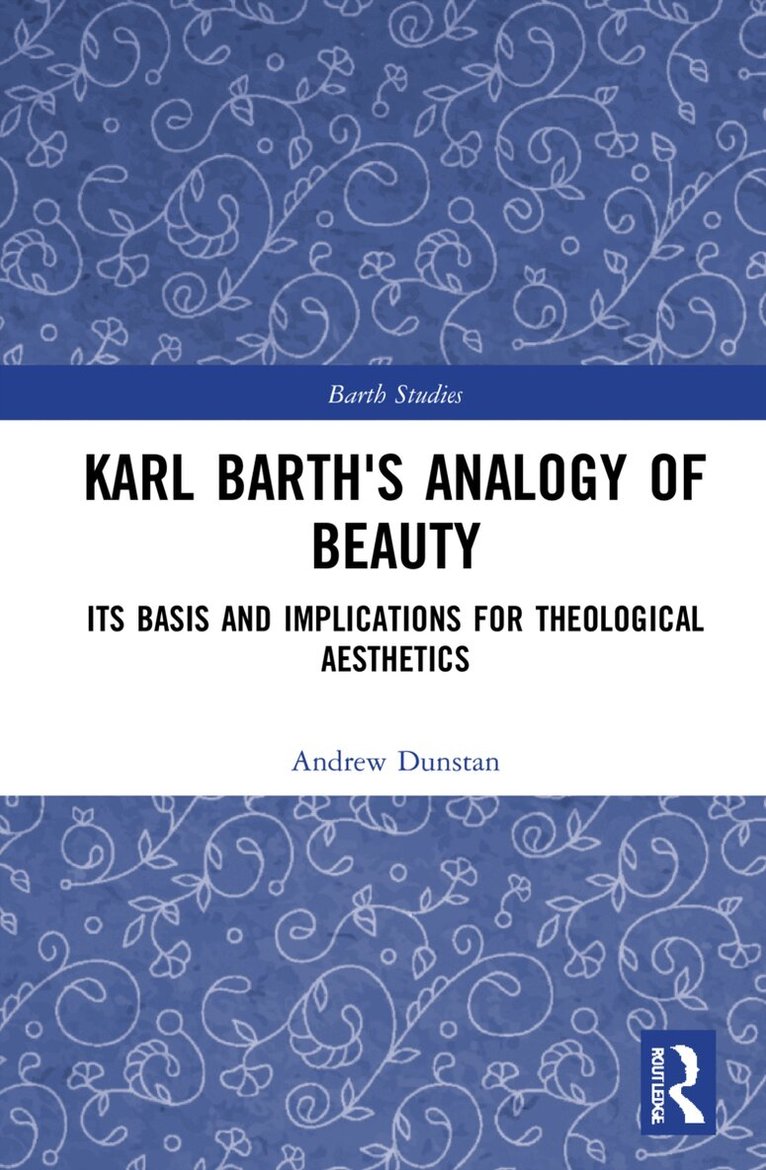
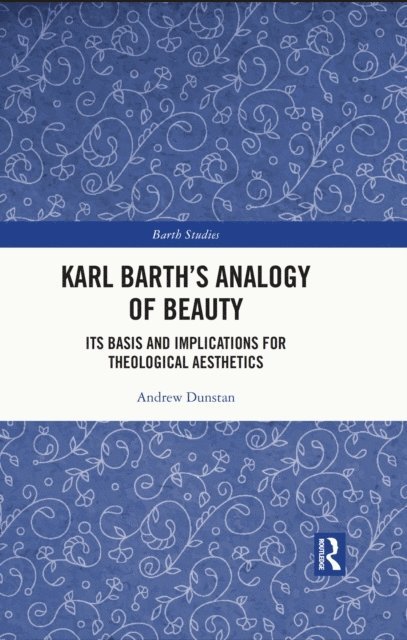
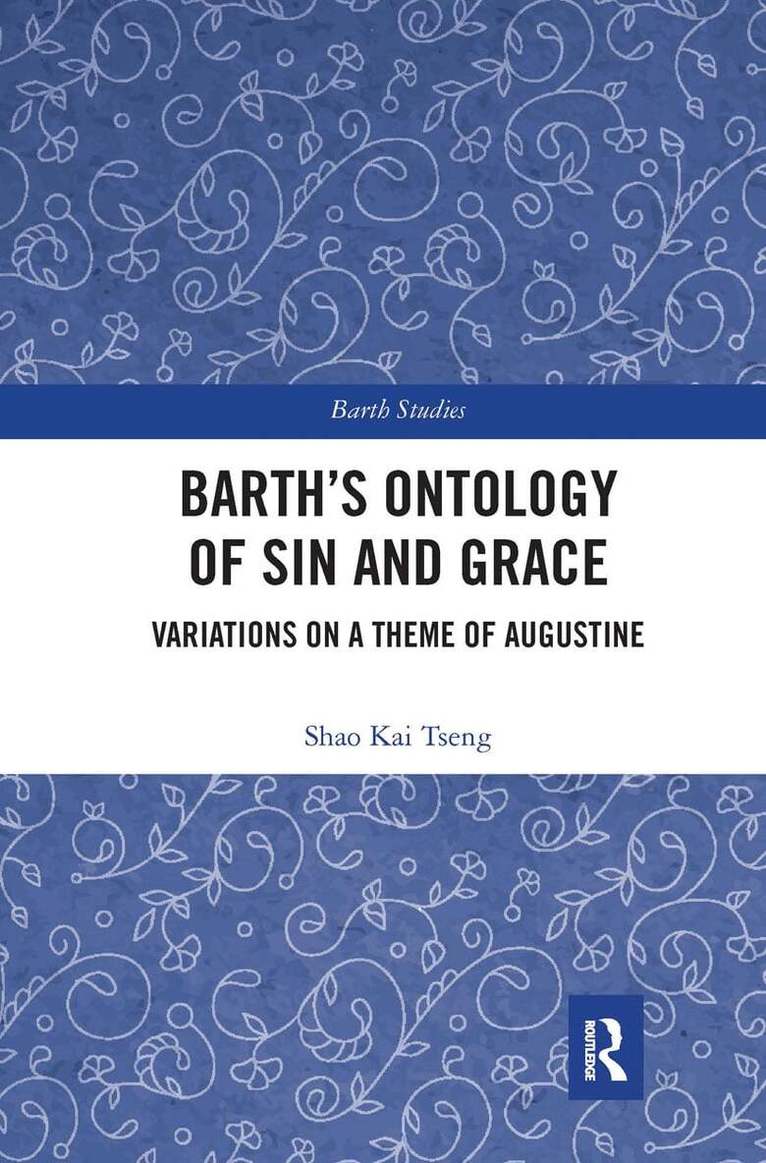
    Karl Barth's Analogy of Beauty

    Its Basis and Implications for Theological Aesthetics

    AvAndrew Dunstan

    Häftad, Engelska, 2023

    Del i serien Barth Studies

    624 kr

    Beställningsvara. Skickas inom 10-15 vardagar. Fri frakt över 249 kr.

    Fler format och utgåvor

    E-bok

    738 kr

    E-bok

    738 kr

    Inbunden

    2 421 kr

    Beskrivning

    This book provides the first comprehensive examination of Karl Barth’s view of beauty. For over fifty years, scholars have assumed Barth recovered traditional belief in God’s beauty but refused to entertain any relationship between this and more familiar natural and artistic beauties. Hans Urs von Balthasar was the first to offer this interpretation, and his conclusion has been echoed ever since, rendering Barth’s view of beauty irrelevant to work in theological aesthetics. This volume continues the late-twentieth-century revision of Balthasar’s interpretation of Barth by arguing that this too is a significant misunderstanding of his theology. Andrew Dunstan demonstrates that, through an encounter with fatalistic forms of Reformed theology, Brunner’s charges that his dogmatics were irrelevant and medieval thought, Barth gradually developed an analogy of divine, ecclesial and worldly beauty with all the theological, christocentric and actualistic hallmarks of his previous forms of analogy. This not only yields valuable new insight into Barth’s view of analogy but also provides a much-needed foundation for a distinctively Protestant and post-Barthian approach to theological aesthetics.
    Produktinformation

    • Utgivningsdatum:2023-09-25
    • Mått:156 x 234 x 14 mm
    • Vikt:460 g
    • Format:Häftad
    • Språk:Engelska
    • Serie:Barth Studies
    • Antal sidor:234
    • Förlag:Taylor & Francis Ltd
    • ISBN:9781032109503

    Utforska kategorier

    • Religion och tro inom Filosofi och religion

    Mer om författaren

    Andrew Dunstan (DPhil, University of Oxford) is Lecturer in Systematic Theology at Malyon Theological College, the Australian College of Theology.

    Recensioner i media

    "Dunstan’s excellently researched book builds on recent Barthian scholarship to argue that Barth’s ‘analogy of faith’ implies a theological ‘analogy of beauty’. Placing Barth’s thought in its evolving contexts, this work challenges older interpretations and establishes Barth’s promise for a Protestant theological aesthetics." - Richard Viladesau, Fordham University"Andrew Dunstan has written an in-depth examination of Karl Barth’s contribution to theological aesthetics. Clear and carefully considered, it is an authoritative and important study on the most eminent Reformed theologian of the twentieth century." - Gesa Thiessen, Trinity College Dublin"According to Karl Barth, theology is the most beautiful among all sciences. The reason for this is that, beside God’s truth and justice, His pulchritude is the embodiment of God’s reality. In the very readable book of Andrew Dunstan this is showed and reflected excellently." - Eberhard Busch, University of Göttingen"This book brilliantly challenges conventional accounts of Barth on beauty. Dunstan shows that Barth holds to an analogical theology of beauty far more substantial than is often thought. Crucial both for Barth studies and aesthetics more widely, this is a tour de force deserving a wide readership." - Jeremy Begbie, Duke University"In this illuminating work, Andrew Dunstan offers a fresh understanding and appreciation of theological aesthetics in the work of Karl Barth. In a lucid study that overturns much conventional wisdom, the author compellingly traces the development in Barth’s work of an analogy of beauty, and profiles its potential value for contemporary reflection." - Paul Nimmo, University of Aberdeen"The author offers a truly groundbreaking account of Barth’s theology of beauty, showing how an analogy of beauty is grounded in an analogy of glory; persuasively written and thoroughly documented, this indispensable book triumphantly overturns all previous doubts about Barth’s aesthetics." - Paul Fiddes, University of Oxford
    Innehållsförteckning

    • PrefaceIntroductionPart I: Analogia Gloriae1 Barth’s Concept of Analogy (1919–1968)2 Barth’s Concept of Natural Revelation (1919–1968)3 Barth’s Analogia Gloriae (1940)Part II: Analogia Pulchritudinis4 Antecedents: Barth’s Rudimentary Analogy of Theological, Ecclesial and Worldly Beauty (1919–1940)5 Climax: Barth’s Comprehensive Analogy of Theological, Ecclesial and Worldly Beauty in Church Dogmatics §31.3 (1940)6 Final Confirmation: Barth’s Continuing Analogy of Theological, Ecclesial and Worldly Beauty (1940–1968)Part III: Significance7 Implications for Contemporary Theological AestheticsConclusionReferencesIndex