Andrew Dunstan – författare
Visar alla böcker från författaren Andrew Dunstan. Handla med fri frakt och snabb leverans.
4 produkter
4 produkter
E-bok
PDF, Engelska, 2021682 kr
Läs direkt efter köp
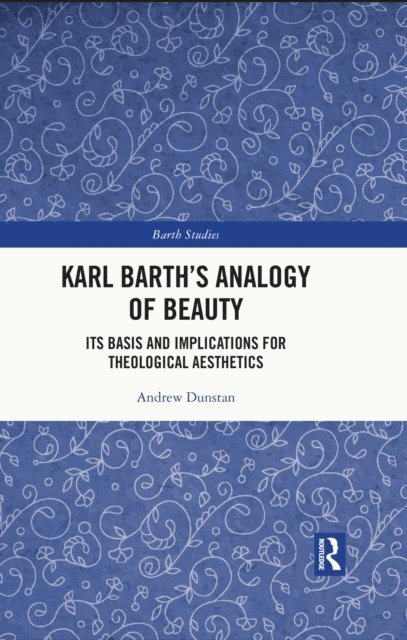
This book provides the first comprehensive examination of Karl Barth’s view of beauty. For over fifty years, scholars have assumed Barth recovered traditional belief in God’s beauty but refused to entertain any relationship between this and more familiar natural and artistic beauties. Hans Urs von Balthasar was the first to offer this interpretation, and his conclusion has been echoed ever since, rendering Barth’s view of beauty irrelevant to work in theological aesthetics. This volume continues the late-twentieth-century revision of Balthasar’s interpretation of Barth by arguing that this too is a significant misunderstanding of his theology. Andrew Dunstan demonstrates that, through an encounter with fatalistic forms of Reformed theology, Brunner’s charges that his dogmatics were irrelevant and medieval thought, Barth gradually developed an analogy of divine, ecclesial and worldly beauty with all the theological, christocentric and actualistic hallmarks of his previous forms of analogy. This not only yields valuable new insight into Barth’s view of analogy but also provides a much-needed foundation for a distinctively Protestant and post-Barthian approach to theological aesthetics.
E-bok
Engelska, 2021682 kr
Läs direkt efter köp
This book provides the first comprehensive examination of Karl Barth’s view of beauty. For over fifty years, scholars have assumed Barth recovered traditional belief in God’s beauty but refused to entertain any relationship between this and more familiar natural and artistic beauties. Hans Urs von Balthasar was the first to offer this interpretation, and his conclusion has been echoed ever since, rendering Barth’s view of beauty irrelevant to work in theological aesthetics. This volume continues the late-twentieth-century revision of Balthasar’s interpretation of Barth by arguing that this too is a significant misunderstanding of his theology. Andrew Dunstan demonstrates that, through an encounter with fatalistic forms of Reformed theology, Brunner’s charges that his dogmatics were irrelevant and medieval thought, Barth gradually developed an analogy of divine, ecclesial and worldly beauty with all the theological, christocentric and actualistic hallmarks of his previous forms of analogy. This not only yields valuable new insight into Barth’s view of analogy but also provides a much-needed foundation for a distinctively Protestant and post-Barthian approach to theological aesthetics.
Inbunden, Engelska, 2021
2 179 kr
Skickas inom 10-15 vardagar
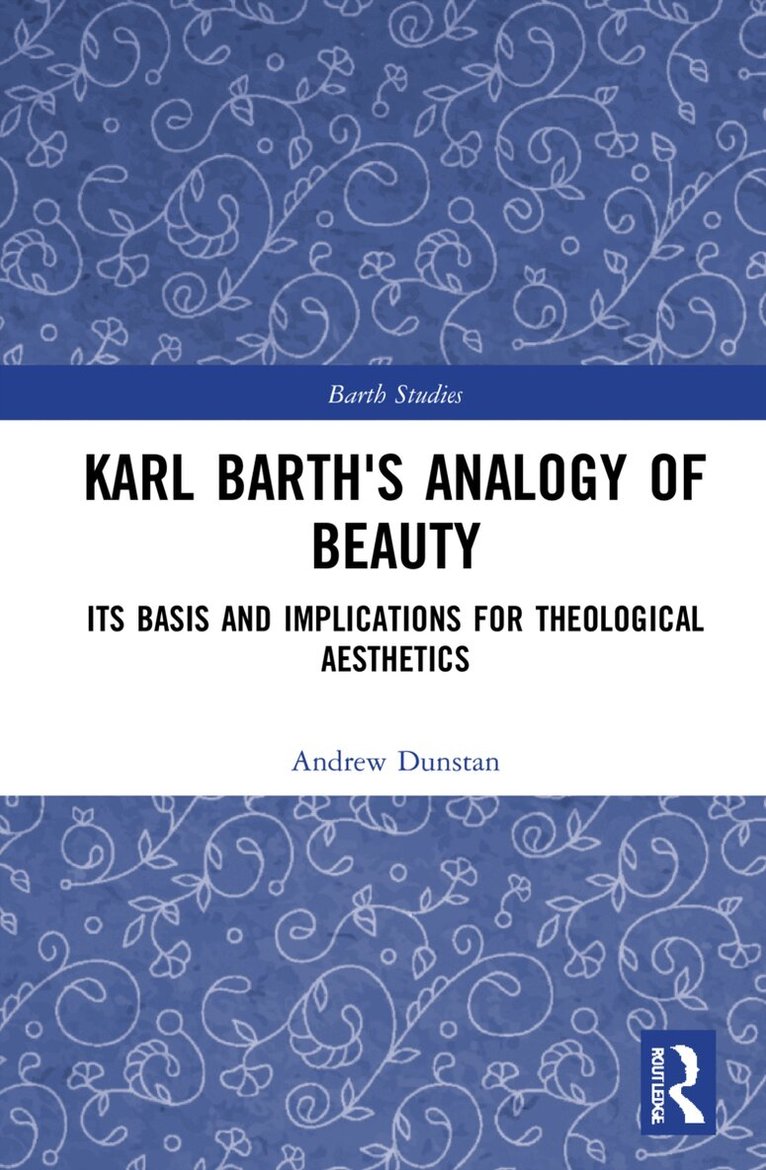
This book provides the first comprehensive examination of Karl Barth’s view of beauty. For over fifty years, scholars have assumed Barth recovered traditional belief in God’s beauty but refused to entertain any relationship between this and more familiar natural and artistic beauties. Hans Urs von Balthasar was the first to offer this interpretation, and his conclusion has been echoed ever since, rendering Barth’s view of beauty irrelevant to work in theological aesthetics. This volume continues the late-twentieth-century revision of Balthasar’s interpretation of Barth by arguing that this too is a significant misunderstanding of his theology. Andrew Dunstan demonstrates that, through an encounter with fatalistic forms of Reformed theology, Brunner’s charges that his dogmatics were irrelevant and medieval thought, Barth gradually developed an analogy of divine, ecclesial and worldly beauty with all the theological, christocentric and actualistic hallmarks of his previous forms of analogy. This not only yields valuable new insight into Barth’s view of analogy but also provides a much-needed foundation for a distinctively Protestant and post-Barthian approach to theological aesthetics.
Häftad, Engelska, 2023
595 kr
Skickas inom 10-15 vardagar
This book provides the first comprehensive examination of Karl Barth’s view of beauty. For over fifty years, scholars have assumed Barth recovered traditional belief in God’s beauty but refused to entertain any relationship between this and more familiar natural and artistic beauties. Hans Urs von Balthasar was the first to offer this interpretation, and his conclusion has been echoed ever since, rendering Barth’s view of beauty irrelevant to work in theological aesthetics. This volume continues the late-twentieth-century revision of Balthasar’s interpretation of Barth by arguing that this too is a significant misunderstanding of his theology. Andrew Dunstan demonstrates that, through an encounter with fatalistic forms of Reformed theology, Brunner’s charges that his dogmatics were irrelevant and medieval thought, Barth gradually developed an analogy of divine, ecclesial and worldly beauty with all the theological, christocentric and actualistic hallmarks of his previous forms of analogy. This not only yields valuable new insight into Barth’s view of analogy but also provides a much-needed foundation for a distinctively Protestant and post-Barthian approach to theological aesthetics.