• Fri frakt över 249 kr
  • •
  • Snabba leveranser
  • •
  • Billiga böcker
Kundservice

Du är på sajten för privatpersoner.

Företag, bibliotek eller offentlig verksamhet?

Du handlar på classic.bokus.com, där alla dina funktioner finns intakta.
Till classic.bokus.com
Bokus logotyp. Gå till startsidan.
  • Erbjudanden
  • Nyheter
  • Student
  • Topplistor
  • Barn & ungdom
  • Bokus Play
  • E-böcker
  • Pocketböcker
  • Spel & pussel

10% studentrabatt med kod TERM26

Sidfot

Mina sidor

    Hjälp

    • Kundservice
    • Vanliga frågor och svar
    • Frakt och leverans
    • Retur vid ångerrätt
    • Reklamera vara
    • Betalning
    • Köpvillkor
    • Allmänna villkor
    • Information om webbplatsens tillgänglighet

    Om Bokus

    • Om oss
    • Pressrum
    • För studenter
    • För företag
    • För bibliotek och offentlig verksamhet
    • För leverantörer
    • Hållbarhet

    Populärt

    • Aktuella erbjudanden
    • Presentkort
    • Studentlitteratur
    • Nya böcker
    • Topplistor
    • Signerade böcker
    • Engelska böcker

    Inspiration

    • Boktips
    • BookTok
    • Populära bokserier
    • Barnbokskaraktärer
    • Populära författare
    Logotyp för Bokus
    Följ oss på Facebook (extern länk)Följ oss på Instagram (extern länk)Följ oss på YouTube (extern länk)Följ oss på TikTok (extern länk)
    bokus @ CookiesAnpassa cookiesIntegritetspolicyKöpvillkor
    Till Citymail hemsida (extern länk)Till Budbee hemsida (extern länk)Till Postnord hemsida (extern länk)Till Schenker hemsida (extern länk)Till Early Bird hemsida (extern länk)Till Walleys hemsida (extern länk)
    1. Psykologi och pedagogik
    2. Psykologi
    3. Barnpsykologi och utvecklingspsykologi

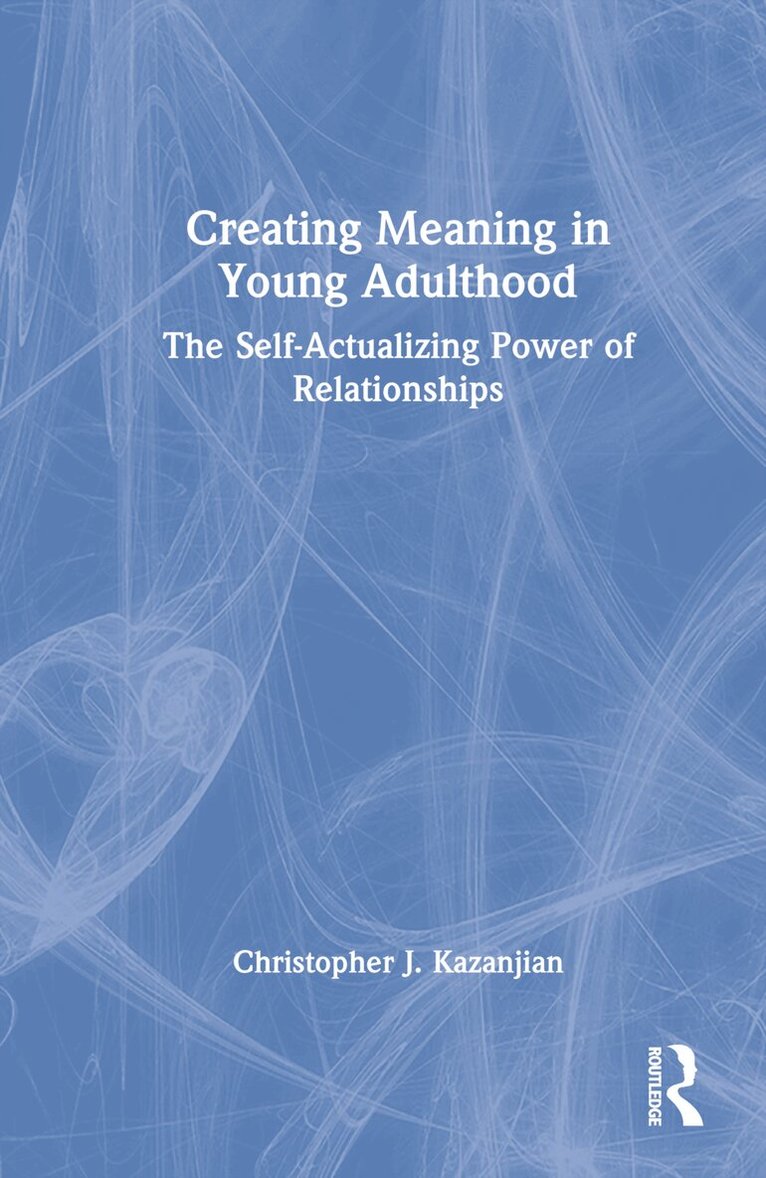
    Creating Meaning in Young Adulthood

    The Self-Actualizing Power of Relationships

    AvChristopher J. Kazanjian

    Inbunden, Engelska, 2022

    2 009 kr

    Beställningsvara. Skickas inom 10-15 vardagar. Fri frakt över 249 kr.

    Fler format och utgåvor

    E-bok

    717 kr

    E-bok

    717 kr

    Häftad

    610 kr

    Beskrivning

    Creating Meaning in Young Adulthood explores the ways in which young adults are creating meanings in life through their relationships with the world. Chapters synthesize research in the fields of child psychology, counseling, multicultural education, and existential-humanistic psychology to offer readers a contemporary understanding of the greater challenges for growth and development that youth currently face. Using ample case studies, the book also sets forth a resilience-based approach for helping readers facilitate the healing, growth, and enlightenment of young adults.

    Produktinformation

    • Utgivningsdatum:2022-07-07
    • Mått:152 x 229 x 16 mm
    • Vikt:426 g
    • Format:Inbunden
    • Språk:Engelska
    • Antal sidor:198
    • Förlag:Taylor & Francis Ltd
    • ISBN:9781032170176

    Utforska kategorier

    • Barnpsykologi och utvecklingspsykologi inom Psykologi och pedagogik
    • Psykologi inom Psykologi och pedagogik
    • Psykologiska teorier och skolor inom Psykologi och pedagogik

    Mer om författaren

    Christopher J. Kazanjian, PhD, is an associate professor of educational psychology at El Paso Community College and author of Empowering Children: A Multicultural Humanistic Approach. He is currently the program director of the after-school program Kidz n’ Coaches-El Paso.

    Recensioner i media

    "Creating Meaning in Young Adulthood presents an innovative approach for understanding the potential of working towards self-actualizing relationships for young adults in existential crises. Young adults are our future, and this book offers a guide for ways to live consciously and to tend to our most sacred and spiritual relationships. Christopher Kazanjian adapts the humanistic philosophy of Carl Rogers to a modern world of complex challenges."Terri Goslin-Jones, PhD, REACE faculty in psychology/creativity studies at Saybrook University"Creating Meaning in Young Adulthood provides a timely discussion of ways that COVID-19 has disrupted the lives of young people around the world and the resources that young people have used to bolster well-being in the face of these challenges. Meaningful insights into ways that social relationships, nature, animals, volunteerism, and even solitude can bolster well-being are provided through a synthesis of scientific research and in-depth case studies with young people."Jennifer E. Lansford, PhD, research professor at the Center for Child and Family Policy at Duke University"Dr. Kazanjian shows how empathy and care are central to a multicultural humanistic approach. Furthermore, Kazanjian’s inclusion of humanist philosophy highlights the value of relationships across the age spectrum. His multicultural humanistic approach enlightens the constant state ‘becoming young adults’ endure during the early 21st-century/COVID-19 era. This is a timely book that educators should engage with as they build relationships with young adults."David Rutledge, PhD, associate professor in the School of Teacher Preparation, Administration, and Leadership at New Mexico State University"What is most important in life? Relationships. Building positive, nurturing, and growth-promoting relationships is what has helped human beings to thrive. How do we teach young adults this life-changing skill? Dr. Kazanjian’s book is the perfect companion. It is a practical guide to obtaining clarity and being able to truly connect with young people and help them realize their unique potential in our challenging global community."Mayra Cordero, founder and sustainable happiness coach of TheHappyRs

    Innehållsförteckning

    • Part I, 1. Young Adulthood in the End of Times, 2. Multicultural Humanistic Psychology, 3. Existential Terror and Necessary Distractions, 4. Constellations within the Darkness: Growth-Promoting Relationships, 5. The Bold Companionship of Defeat, 6. Healing, Growth, and Enlightenment, Part II, 7. Creating Meaning with the Natural World, 8. Precious Silence of Solitude, 9. Volunteer Group Activity, 10. The Nature of Growth-Promoting Relationships, Conclusion