• Fri frakt över 249 kr
  • •
  • Snabba leveranser
  • •
  • Billiga böcker
Kundservice

Du är på sajten för privatpersoner.

Företag, bibliotek eller offentlig verksamhet?

Du handlar på classic.bokus.com, där alla dina funktioner finns intakta.
Till classic.bokus.com
Bokus logotyp. Gå till startsidan.
  • Erbjudanden
  • Nyheter
  • Student
  • Topplistor
  • Barn & ungdom
  • Bokus Play
  • E-böcker
  • Pocketböcker
  • Spel & pussel

Må bättre, för mindre! Upp till 50% rabatt på hälsoböcker

Sidfot

Mina sidor

    Hjälp

    • Kundservice
    • Vanliga frågor och svar
    • Frakt och leverans
    • Retur vid ångerrätt
    • Reklamera vara
    • Betalning
    • Köpvillkor
    • Allmänna villkor
    • Information om webbplatsens tillgänglighet

    Om Bokus

    • Om oss
    • Pressrum
    • För studenter
    • För företag
    • För bibliotek och offentlig verksamhet
    • För leverantörer
    • Hållbarhet

    Populärt

    • Aktuella erbjudanden
    • Presentkort
    • Studentlitteratur
    • Nya böcker
    • Topplistor
    • Signerade böcker
    • Engelska böcker

    Inspiration

    • Boktips
    • BookTok
    • Populära bokserier
    • Barnbokskaraktärer
    • Populära författare
    Logotyp för Bokus
    Följ oss på Facebook (extern länk)Följ oss på Instagram (extern länk)Följ oss på YouTube (extern länk)Följ oss på TikTok (extern länk)
    bokus @ CookiesAnpassa cookiesIntegritetspolicyKöpvillkor
    Till Citymail hemsida (extern länk)Till Budbee hemsida (extern länk)Till Postnord hemsida (extern länk)Till Schenker hemsida (extern länk)Till Early Bird hemsida (extern länk)Till Walleys hemsida (extern länk)
    1. Historia och arkeologi
    2. Historia
    3. Asiens historia

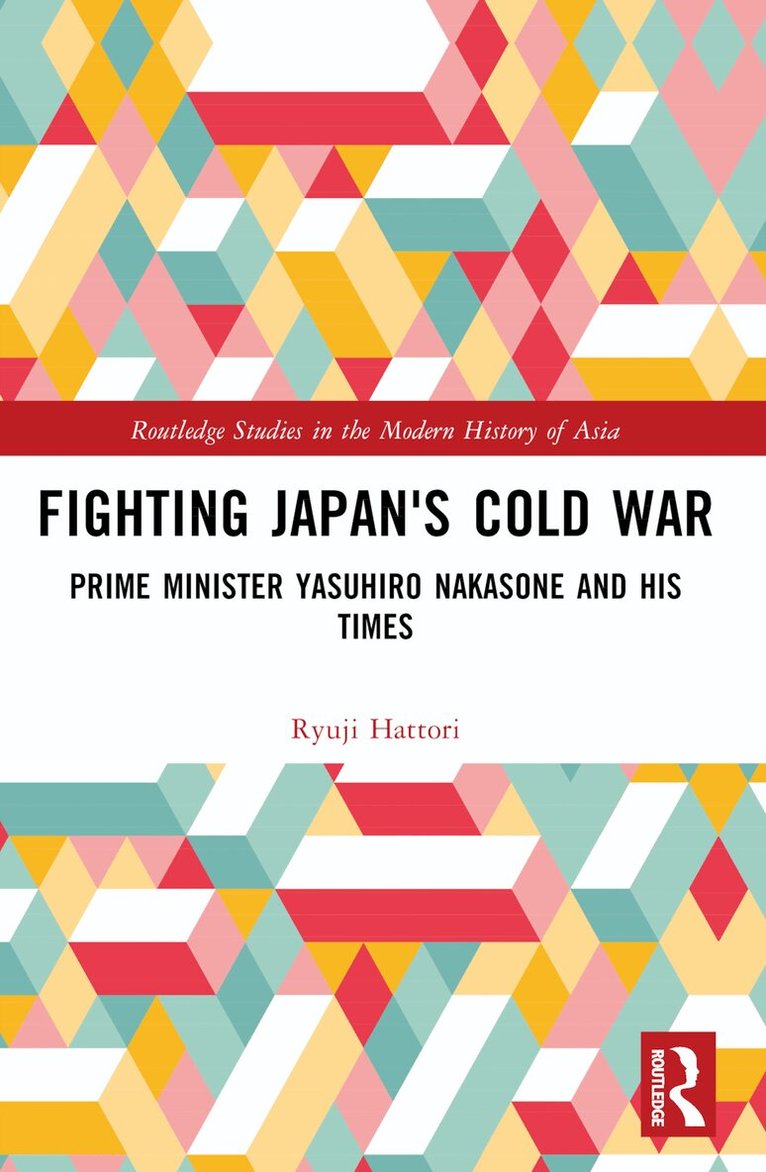
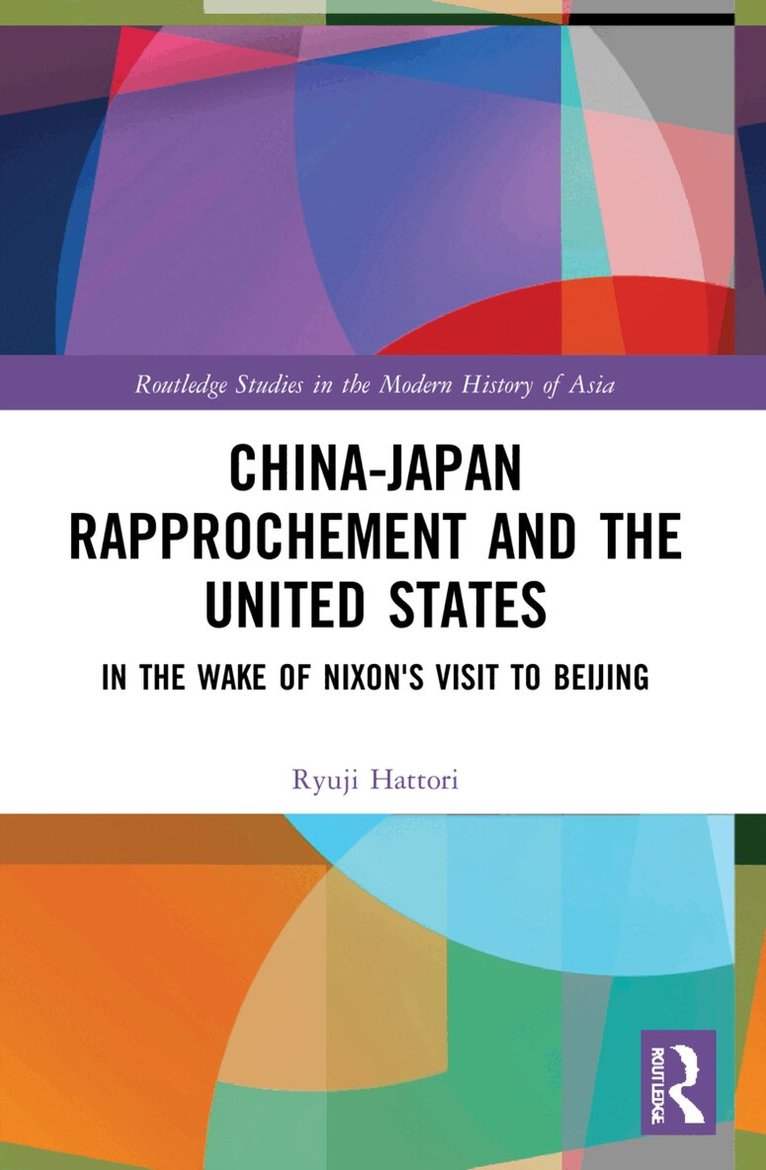
    China-Japan Rapprochement and the United States

    In the Wake of Nixon's Visit to Beijing

    AvRyuji Hattori

    Inbunden, Engelska, 2021

    Del i serien Routledge Studies in the Modern History of Asia

    2 493 kr

    Beställningsvara. Skickas inom 10-15 vardagar. Fri frakt över 249 kr.

    Fler format och utgåvor

    E-bok

    755 kr

    E-bok

    755 kr

    Häftad

    667 kr

    Beskrivning

    Based on extensive original research including interviews with key participants, this book examines how, following Richard Nixon’s famous visit to China in 1972, Japan established formal diplomatic relations with China, doing so before the United States and other Western countries. It considers the key personalities – Prime Minister Tanaka and Foreign Minister Ōhira on the Japanese side, and Zhou Enlai on the Chinese side, outlines how the discussions unfolded, and discusses the key issues which divided the two sides and how these issues were resolved: Japanese war reparations to China, how the two countries perceived their past, how Taiwan should be treated, and possession of the Senkaku Islands. The book also shows how Tanaka and Ōhira sought to reconcile China–Japan relations with the US–Japan Security Treaty and to continue non-governmental exchanges with Taiwan following the severing of relations. Overall, the book emphasises that the nature of the relationship established in 1972 continues to be very important for understanding present day China–Japan relations.The Open Access version of this book, available at http://www.taylorfrancis.com, has been made available under a Creative Commons Attribution-Non Commercial-No Derivatives (CC BY-NC-ND) 4.0 license.

    Produktinformation

    • Utgivningsdatum:2021-12-31
    • Mått:156 x 234 x undefined mm
    • Vikt:360 g
    • Format:Inbunden
    • Språk:Engelska
    • Serie:Routledge Studies in the Modern History of Asia
    • Antal sidor:154
    • Förlag:Taylor & Francis Ltd
    • ISBN:9781032201931
    • Översättare:Graham B. Leonard

    Utforska kategorier

    • Asiens historia inom Historia och arkeologi
    • Politik och statsskick inom Samhälle och politik

    Mer om författaren

    Ryuji Hattori is Professor in the Faculty of Policy Studies at Chuo University, Japan and has an MA from the School of Advanced International Studies (SAIS) at Johns Hopkins University.Graham B. Leonard is an independent translator and researcher based in Seattle, Washington, USA.

    Recensioner i media

    "a timely and important history... a well-documented examination of the politics and diplomacy of Japan's path to recognizing China." - Robert D. Eldridge in Japan Forward 'Hattori’s book contributes greatly to the existing scholarship with his vivid picture of the interactions between Tanaka and Ōhira. This is interesting, even for scholars of modern China, by revealing the inner workings of in an important country for China. Different cultures and patterns of behavior partly explain the different logic and dynamics in China’s relations with Japan versus countries like the United States. ... Hattori’s scholarship debunks some misunderstandings. Japan did not embark on diplomatic rapprochement to transform China, and its foreign aid and economic cooperation commenced only when Deng Xiaoping started reform and opening at the end of the 1970s. The liberalizing potential of economic cooperation with China surfaced after the 1990s and was never as prominent in Japan as in the West. Hattori ends his book with the following remarks: “The process that led to Sino-Japanese normalization provides extremely modern lessons to those living today. It is a history that deserves to be repeatedly turned to and referenced” (137). Indeed.' - Ming Wan in The China Journal

    Innehållsförteckning

    • Introduction: The Road to Beijing; 1. Tanaka Kakuei and Ōhira Masayoshi: Two Types of Leadership; 2. The Nixon Shock – Moving Beyond Satō; 3. Formation of the Tanaka Government and the Takeiri Memo – First Approaches to China; 4. Under America’s Shadow – The Tanaka–Nixon Summit in Hawaii; 5. Taiwan – The Shiina-Chiang Talks as Kanjinchō; 6. Tanaka’s Visit to China and the "Meiwaku" Speech (September 25); 7. Zhou Enlai’s “Bluff” and Ōhira Masayoshi’s “Trump Card” (September 26); 8. The Senkaku Islands and Tanaka’s Meeting with Mao (September 27); 9. The Sino-Japanese Joint Statement and Severing Relations with Taiwan (September 28–30); Conclusion: The Spirit of Sino-Japanese Peace