• Fri frakt över 249 kr
  • •
  • Snabba leveranser
  • •
  • Billiga böcker
Kundservice

Du är på sajten för privatpersoner.

Företag, bibliotek eller offentlig verksamhet?

Du handlar på classic.bokus.com, där alla dina funktioner finns intakta.
Till classic.bokus.com
Bokus logotyp. Gå till startsidan.
  • Erbjudanden
  • Nyheter
  • Student
  • Topplistor
  • Barn & ungdom
  • Bokus Play
  • E-böcker
  • Pocketböcker
  • Spel & pussel

10% rabatt på allt med kod NYSTART10 →

Sidfot

Mina sidor

    Hjälp

    • Kundservice
    • Vanliga frågor och svar
    • Frakt och leverans
    • Retur vid ångerrätt
    • Reklamera vara
    • Betalning
    • Köpvillkor
    • Allmänna villkor
    • Information om webbplatsens tillgänglighet

    Om Bokus

    • Om oss
    • Pressrum
    • För studenter
    • För företag
    • För bibliotek och offentlig verksamhet
    • För leverantörer
    • Hållbarhet

    Populärt

    • Aktuella erbjudanden
    • Presentkort
    • Studentlitteratur
    • Nya böcker
    • Topplistor
    • Signerade böcker
    • Engelska böcker

    Inspiration

    • Boktips
    • BookTok
    • Populära bokserier
    • Barnbokskaraktärer
    • Populära författare
    Logotyp för Bokus
    Följ oss på Facebook (extern länk)Följ oss på Instagram (extern länk)Följ oss på YouTube (extern länk)Följ oss på TikTok (extern länk)
    bokus @ CookiesAnpassa cookiesIntegritetspolicyKöpvillkor
    Till Citymail hemsida (extern länk)Till Budbee hemsida (extern länk)Till Postnord hemsida (extern länk)Till Schenker hemsida (extern länk)Till Early Bird hemsida (extern länk)Till Walleys hemsida (extern länk)
    1. Samhälle och politik
    2. Sociologi och antropologi
    3. Antropologi

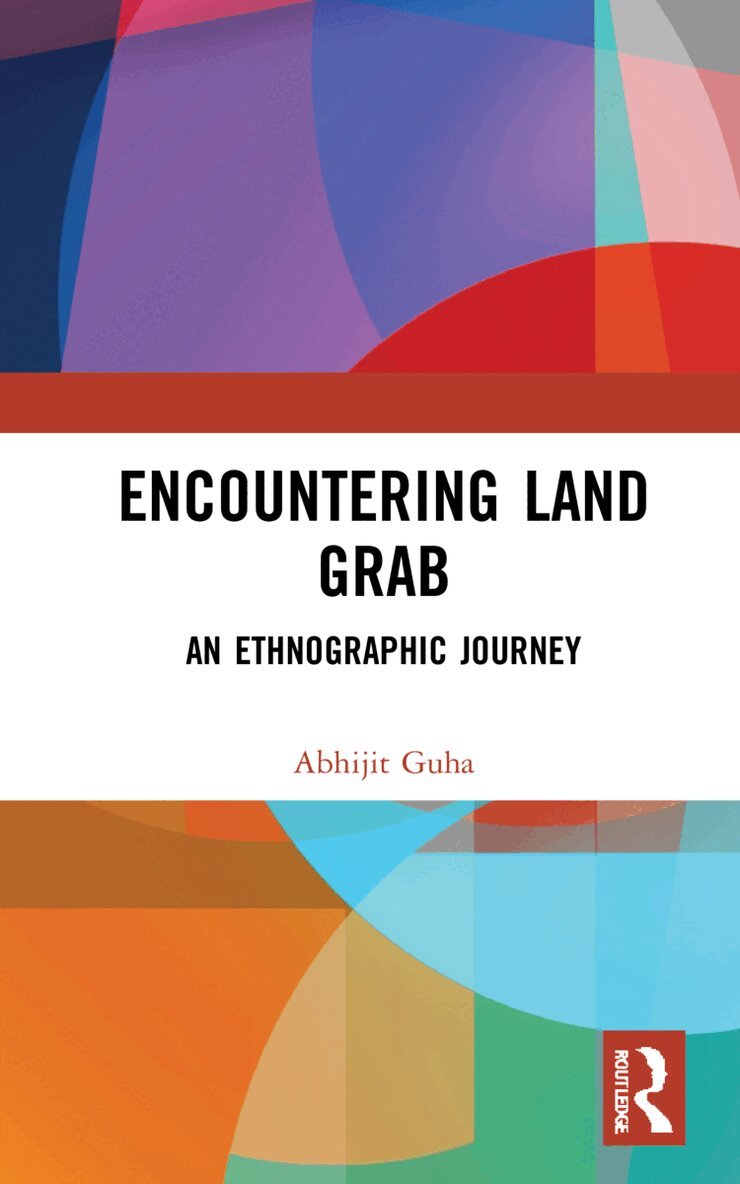
    Encountering Land Grab

    An Ethnographic Journey

    AvAbhijit Guha

    Inbunden, Engelska, 2022

    2 422 kr

    Beställningsvara. Skickas inom 10-15 vardagar. Fri frakt över 249 kr.

    Fler format och utgåvor

    E-bok

    805 kr

    E-bok

    807 kr

    Beskrivning

    Taking possession of private land for ‘public purpose’ by the eminent domain of the state is a global phenomenon, but it displaces and marginalizes the people at the local-level. The researchers have mainly dealt with this phenomenon either from the field, or from the archive. In this book, the author has studied the observable fact of land grab, or acquisition for industries in a particular locale of the West Bengal State by combining the field and archive in a unique mode through a multi-sited ethnographic ‘journey’. Unlike the traditional anthropological ethnographies consisting of single ‘tribes’ or ‘multi-caste villages’, this vertical ethnographic voyage of the author led him to come across a group of dispossessed peasants in the villages, a bunch of files in the district land acquisition department, a rich text of proceedings in the West Bengal Assembly Library, the growing global literature on land grab, and also to reflect on his dialogues with the elected members of the parliamentary standing committee at New Delhi. Ethnography, for the author was the road map, which guided his journey in these apparently separate existential domains of land acquisition and throws new light on how development policies are made, and how they failed, and what were the lessons learnt.Please note: Taylor & Francis does not sell or distribute the Hardback in India, Pakistan, Nepal, Bhutan, Bangladesh and Sri Lanka.

    Produktinformation

    • Utgivningsdatum:2022-04-28
    • Mått:138 x 216 x 14 mm
    • Vikt:500 g
    • Format:Inbunden
    • Språk:Engelska
    • Antal sidor:186
    • Förlag:Taylor & Francis Ltd
    • ISBN:9781032269306

    Utforska kategorier

    • Antropologi inom Samhälle och politik

    Mer om författaren

    Abhijit Guha is Senior Fellow at Indian Council of Social Science Research, Institute of Development Studies Kolkata.

    Innehållsförteckning

    • 1. Introduction 2. How I Became Interested in Land Grab 3. Methods, Materials and Justifications 4. In the Villages 5. At the Land Acquisition Office 6. Clever Dialogues of the Politicians 7. Theoretical Insights or the Lessons Learnt 8. Conclusion