• Fri frakt över 249 kr
  • •
  • Snabba leveranser
  • •
  • Billiga böcker
Kundservice

Du är på sajten för privatpersoner.

Företag, bibliotek eller offentlig verksamhet?

Du handlar på classic.bokus.com, där alla dina funktioner finns intakta.
Till classic.bokus.com
Bokus logotyp. Gå till startsidan.
  • Erbjudanden
  • Student
  • Topplistor
  • Barn & ungdom
  • Bokus Play
  • E-böcker
  • Ljudböcker
  • Pocketböcker
  • Spel och pussel

Pocketfynda! Hundratals böcker för 49 kr/st →

Sidfot

Mina sidor

    Hjälp

    • Kundservice
    • Vanliga frågor och svar
    • Frakt och leverans
    • Retur vid ångerrätt
    • Reklamera vara
    • Betalning
    • Köpvillkor
    • Allmänna villkor
    • Information om webbplatsens tillgänglighet

    Om Bokus

    • Om oss
    • Pressrum
    • För studenter
    • För företag
    • För bibliotek och offentlig verksamhet
    • För leverantörer
    • Hållbarhet

    Populärt

    • Aktuella erbjudanden
    • Presentkort
    • Studentlitteratur
    • Nya böcker
    • Topplistor
    • Signerade böcker
    • Engelska böcker

    Inspiration

    • Boktips
    • BookTok
    • Barnbokskaraktärer
    • Populära författare
    Logotyp för Bokus
    Följ oss på Facebook (extern länk)Följ oss på Instagram (extern länk)Följ oss på YouTube (extern länk)Följ oss på TikTok (extern länk)
    bokus @ CookiesAnpassa cookiesIntegritetspolicyKöpvillkor
    Till Citymail hemsida (extern länk)Till Budbee hemsida (extern länk)Till Postnord hemsida (extern länk)Till Schenker hemsida (extern länk)Till Early Bird hemsida (extern länk)Till Walleys hemsida (extern länk)
    1. Naturvetenskap och teknik
    2. Teknik och industri
    3. Energiteknik

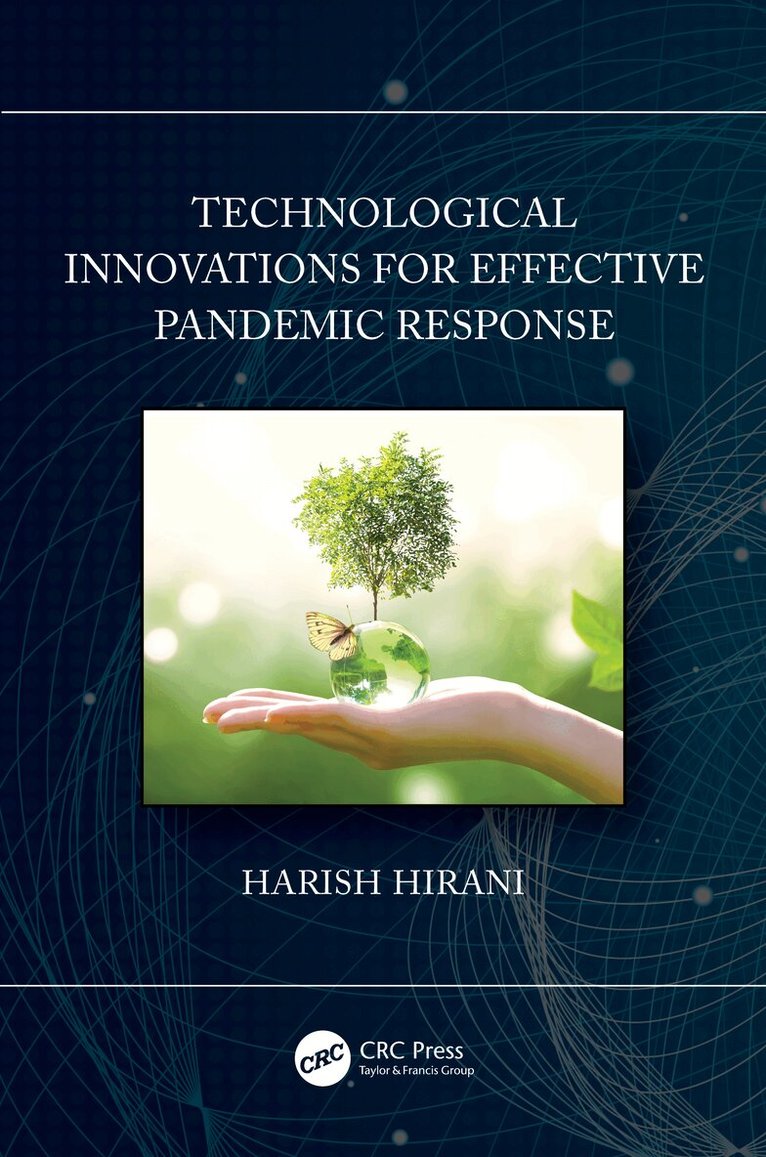
    Technological Innovations for Effective Pandemic Response

    AvHarish Hirani

    Inbunden, Engelska, 2022

    2 047 kr

    Beställningsvara. Skickas inom 10-15 vardagar. Fri frakt över 249 kr.

    Fler format och utgåvor

    E-bok

    841 kr

    E-bok

    838 kr

    Häftad

    727 kr

    Beskrivning

    This reference text discusses the potential of efficient R&D management during times of pandemic crisis and how it can provide time-bound real-life deliverables to ward-off the contamination-linked vulnerability aspects of social interaction.It discusses important topics including mechanical ventilator with oxygen enrichment, hospital waste management facility, hospital care assistive robotic devices, implementation of smart manufacturing, special purpose machines, micro machining, 3D printing, disposal of plastic waste utilizing high temperature plasma, automatic biomass briquetting plant, and fully automatic biodiesel plant.Features: Discusses novel technological innovations developed especially to effectively counter pandemics such as COVID 19. Explores how R&D modelling of technology can be interspersed with socio-economic values. Covers how innovative technological solutions can be developed as per the situational requisites and deployed in the least possible time to make maximum impact. Discusses industrial manufacturing and automation techniques. The text will be useful for graduate students, and academic researchers working in diverse areas such as mechanical engineering, industrial engineering, production engineering, manufacturing science, and automobile engineering. It covers influences of Pandemics on water and sanitation services, floating capsule-based biofilm reactor (FCBBR) methodology, and innovative segregation of waste through a mechanized model.

    Produktinformation

    • Utgivningsdatum:2022-10-26
    • Mått:156 x 234 x 16 mm
    • Vikt:540 g
    • Format:Inbunden
    • Språk:Engelska
    • Antal sidor:184
    • Förlag:Taylor & Francis Ltd
    • ISBN:9781032312187

    Utforska kategorier

    • Energiteknik inom Naturvetenskap och teknik
    • Elektronik och kommunikationer inom Naturvetenskap och teknik
    • Tillverkningsteknik inom Naturvetenskap och teknik

    Mer om författaren

    Dr. Harish Hirani is presently the Professor IIT Delhi. He has more than 140 research publications and 140 IPR (granted/ applied) in his credit. His book on ‘Fundamentals of Engineering Tribology with Applications’, published by Cambridge University Press has proven to be a success. He is Fellow of the Institute of Engineers (FIE) and member of ASME. He has organized and conducted more than 25 training courses for 1000+ engineering faculty and 300+ industry executives. With a robust research experience of more than 25 years, 20+ years teaching experience in IITs, more than 8 years of academic & scientific administrative experience and six months research experience at Massachusetts Institute of Technology, Cambridge, USA, Prof Hirani always strived to inculcate the culture of spreading science-awareness/technological-innovations among Scientists/ Researchers and learners for realising substantial socio-economic impact.He was Director of CSIR- Central Mechanical Engineering Research Institute (CMERI) during 16.03.2016 to 15.03.2022. He is a firm believer of inclusive growth and paves the ways of technology transfer to micro and small enterprises so that common people are benefited. Even in crucial time of COVID-19, a number of technologies/products were developed to benefit the society. In his opinion, the technologies invented at government intuitions do not culminate into economic, user friendly, high-quality solutions, therefore a paradigm shift in attitude and action of scientists is the need of the hour to match with the dynamic highly competitive industry thriving on innovative solutions. There is a need to spread science awareness and use science of management economics to help farmers and small-scale manufacturing industries; and appropriately guide & motivate young minds to build a prosperous and self-reliant society.

    Innehållsförteckning

    • 1. Current Scenario of Pandemics and Challenges. 2. Innovative Technological Interventions to Combat Pandemic Proliferation. 3. Water, Sanitation, and Waste Management Solutions to Contain the Pandemic 4. Farm Mechanization as a Recovery Path Toward Sustainable Growth. 5. Manufacturing and Automation as a Reovery Path Toward Sustainable Growth  6. Conclusions