• Fri frakt över 249 kr
  • •
  • Snabba leveranser
  • •
  • Billiga böcker
Kundservice

Du är på sajten för privatpersoner.

Företag, bibliotek eller offentlig verksamhet?

Du handlar på classic.bokus.com, där alla dina funktioner finns intakta.
Till classic.bokus.com
Bokus logotyp. Gå till startsidan.
  • Erbjudanden
  • Nyheter
  • Student
  • Topplistor
  • Barn & ungdom
  • Bokus Play
  • E-böcker
  • Pocketböcker
  • Spel & pussel

10% rabatt på allt med kod: NYSTART10 →

Sidfot

Mina sidor

    Hjälp

    • Kundservice
    • Vanliga frågor och svar
    • Frakt och leverans
    • Retur vid ångerrätt
    • Reklamera vara
    • Betalning
    • Köpvillkor
    • Allmänna villkor
    • Information om webbplatsens tillgänglighet

    Om Bokus

    • Om oss
    • Pressrum
    • För studenter
    • För företag
    • För bibliotek och offentlig verksamhet
    • För leverantörer
    • Hållbarhet

    Populärt

    • Aktuella erbjudanden
    • Presentkort
    • Studentlitteratur
    • Nya böcker
    • Topplistor
    • Signerade böcker
    • Engelska böcker

    Inspiration

    • Boktips
    • BookTok
    • Populära bokserier
    • Barnbokskaraktärer
    • Populära författare
    Logotyp för Bokus
    Följ oss på Facebook (extern länk)Följ oss på Instagram (extern länk)Följ oss på YouTube (extern länk)Följ oss på TikTok (extern länk)
    bokus @ CookiesAnpassa cookiesIntegritetspolicyKöpvillkor
    Till Citymail hemsida (extern länk)Till Budbee hemsida (extern länk)Till Postnord hemsida (extern länk)Till Schenker hemsida (extern länk)Till Early Bird hemsida (extern länk)Till Walleys hemsida (extern länk)
    1. Kultur
    2. Arkitektur

    African Identity in Post-Apartheid Public Architecture

    White Skin, Black Masks

    AvJonathan Alfred Noble

    Häftad, Engelska, 2024

    Del i serien Ashgate Studies in Architecture

    629 kr

    Beställningsvara. Skickas inom 10-15 vardagar. Fri frakt över 249 kr.

    Fler format och utgåvor

    Inbunden

    2 493 kr

    E-bok

    743 kr

    E-bok

    743 kr

    Beskrivning

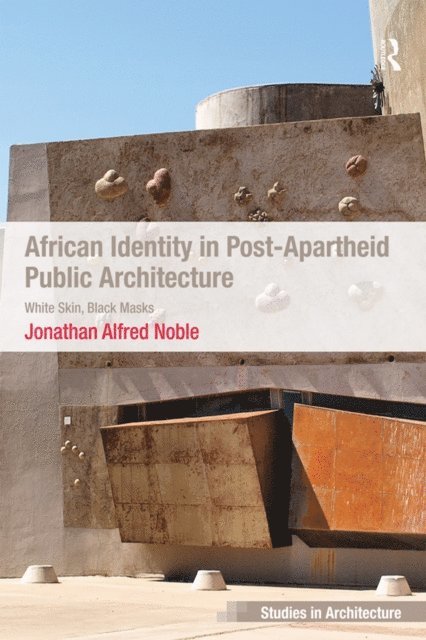
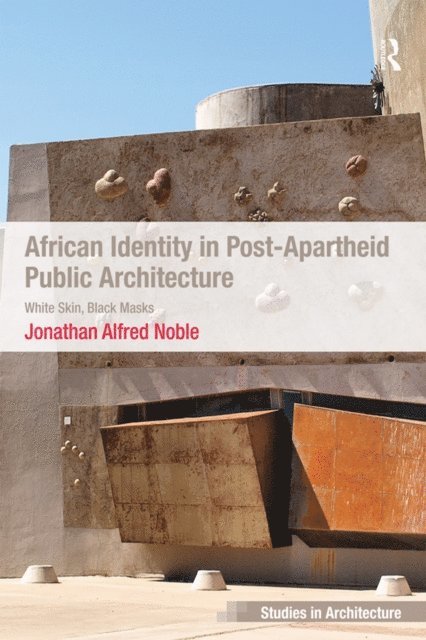
    Since the end of Apartheid, there has been a new orientation in South African art and design, turning away from the colonial aesthetics to new types of African expression. This book examines some of the fascinating and impressive works of contemporary public architecture that 'concretise' imaginative dialogues with African landscapes, craft and indigenous traditions. Referring to Frantz Fanon's classic study of colonised subjectivity, 'Black Skin, White Masks', Noble contends that Fanon's metaphors of mask and skin are suggestive for architectural criticism, in the context of post-Apartheid public design. Taking South Africa's first democratic election of 1994 as its starting point, the book focuses on projects that were won in architectural competitions. Such competitions are conceived within ideological debates and studying them allows for an examination of the interrelationships between architecture, politics and culture. The book offers insights into these debates through interviews with key parties concerned - architects, competition jurors, politicians, council and city officials, artists and crafters, as well as people who are involved in the day-to-day life of the buildings in question.

    Produktinformation

    • Utgivningsdatum:2024-10-14
    • Mått:174 x 246 x undefined mm
    • Vikt:640 g
    • Format:Häftad
    • Språk:Engelska
    • Serie:Ashgate Studies in Architecture
    • Antal sidor:314
    • Förlag:Taylor & Francis Ltd
    • ISBN:9781032922294

    Utforska kategorier

    • Arkitektur inom Kultur
    • Regional planering inom Naturvetenskap och teknik
    • Geografi inom Naturvetenskap och teknik

    Mer om författaren

    Dr Jonathan Alfred Noble, University of the Witwatersrand, Johannesburg, South Africa.

    Recensioner i media

    'In this detailed and carefully argued study, Noble shows how a different kind of modern architecture is possible - contemporary in appearance, yet also public, democratic, political and symbolic. An inspiring piece of work.' Iain Borden, University College London, UK 'If the problem of creating a Palestinian state is today's pathological example of man's inhumanity to man, we mustn't forget that only a generation ago the South African apartheid regime was the world's rallying point. Huge transformations have been made in South Africa since then, and Jonathan Noble's remarkable book is one of the first to study the architectural and urban ramifications of the collapse of apartheid. Other scholars will no doubt seek to challenge the interpretations offered in this book - as befits a subject of such importance - but they will be indebted to Noble for having written such a lucidly analytical account.' Murray Fraser, University of Westminster, UK '... the book's careful unpacking of the formal undecidability that results when political ideology becomes entangled with architectural production gives it a relevance and value that transcend its South African setting. Noble offers a well-illustrated, thoughtful account of how cultural 'authenticity', whether manifested through political subjectivity or built environments, is always under construction, fashioned through the interplay of a heterogeneous array of factors, narratives and mechanisms.' Traditional Dwellings & Settlements Review 'One of the book’s chief merits is Noble’s detailed presentation of his original research into the design competitions for each project. Comparing the winning schemes against failed ones, the text provides a rich insight into the values and priorities of the public officials, jury members and architects responsible for the final outcomes. Noble’s exposition also illustrates the detrimental but sometimes fraught efforts to integrate South Africa’s new democratic expectations int

    Innehållsförteckning

    • Contents: Foreword; Introduction; Imagination and identification, part 1: the Mpumalanga legislature, Nelspruit; Imagination and identification, part 2: the Northern Cape legislature, Kimberley; 'We the People', part 1: the Constitutional Court of South Africa, at Constitution Hill, Johannesburg; 'We the People', part 2: the Walter Sisulu Square of Dedication, Kliptown; Honouring our other 'We': Freedom Park, Pretoria; Conclusion; Bibliography; Index.