• Fri frakt över 249 kr
  • •
  • Snabba leveranser
  • •
  • Billiga böcker
Kundservice

Du är på sajten för privatpersoner.

Företag, bibliotek eller offentlig verksamhet?

Du handlar på classic.bokus.com, där alla dina funktioner finns intakta.
Till classic.bokus.com
Bokus logotyp. Gå till startsidan.
  • Erbjudanden
  • Nyheter
  • Student
  • Topplistor
  • Barn & ungdom
  • Bokus Play
  • E-böcker
  • Pocketböcker
  • Spel & pussel

10% studentrabatt med kod TERM26

Sidfot

Mina sidor

    Hjälp

    • Kundservice
    • Vanliga frågor och svar
    • Frakt och leverans
    • Retur vid ångerrätt
    • Reklamera vara
    • Betalning
    • Köpvillkor
    • Allmänna villkor
    • Information om webbplatsens tillgänglighet

    Om Bokus

    • Om oss
    • Pressrum
    • För studenter
    • För företag
    • För bibliotek och offentlig verksamhet
    • För leverantörer
    • Hållbarhet

    Populärt

    • Aktuella erbjudanden
    • Presentkort
    • Studentlitteratur
    • Nya böcker
    • Topplistor
    • Signerade böcker
    • Engelska böcker

    Inspiration

    • Boktips
    • BookTok
    • Populära bokserier
    • Barnbokskaraktärer
    • Populära författare
    Logotyp för Bokus
    Följ oss på Facebook (extern länk)Följ oss på Instagram (extern länk)Följ oss på YouTube (extern länk)Följ oss på TikTok (extern länk)
    bokus @ CookiesAnpassa cookiesIntegritetspolicyKöpvillkor
    Till Citymail hemsida (extern länk)Till Budbee hemsida (extern länk)Till Postnord hemsida (extern länk)Till Schenker hemsida (extern länk)Till Early Bird hemsida (extern länk)Till Walleys hemsida (extern länk)
    1. Skönlitteratur
    2. Litteraturvetenskap
    3. Litteraturteori

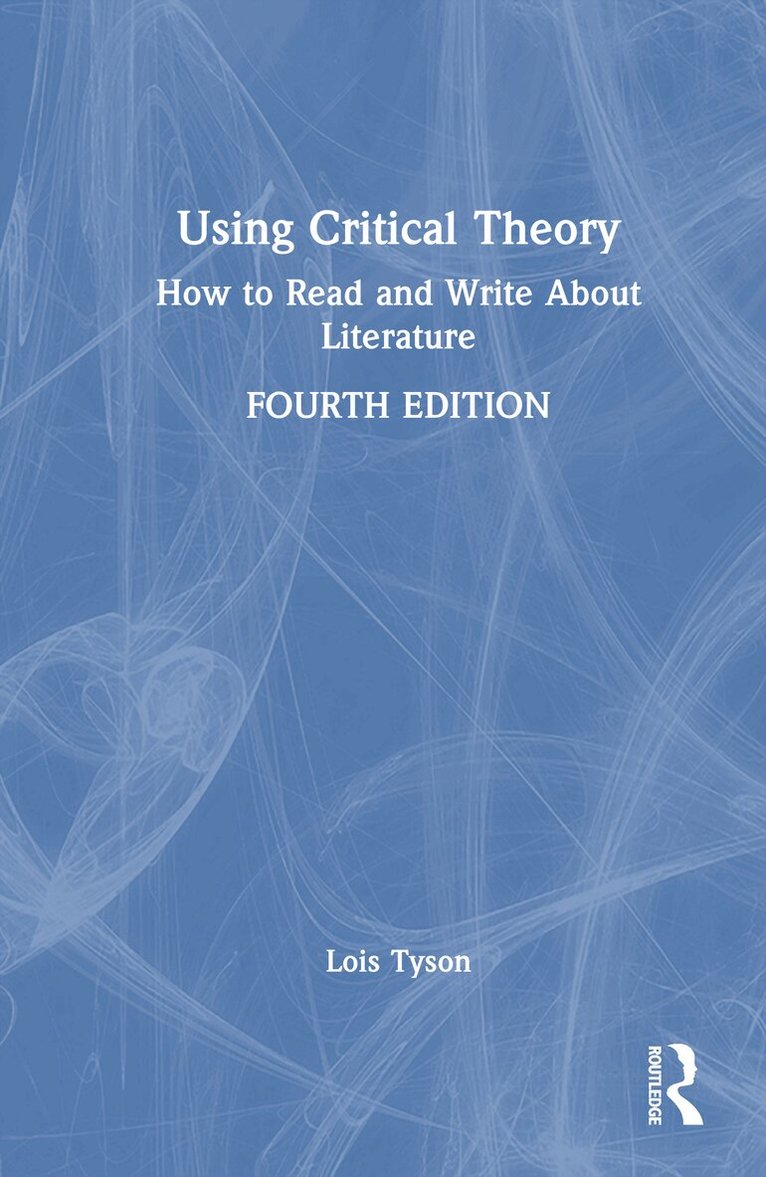
    Using Critical Theory

    How to Read and Write About Literature

    AvLois Tyson

    Inbunden, Engelska, 2026

    2 799 kr

    Beställningsvara. Skickas inom 10-15 vardagar. Fri frakt över 249 kr.

    Fler format och utgåvor

    E-bok

    774 kr

    E-bok

    771 kr

    E-bok

    851 kr

    E-bok

    849 kr

    Häftad

    722 kr

    Inbunden

    2 523 kr

    Häftad

    657 kr

    Beskrivning

    Explaining both why critical theory is important and how to use it, Lois Tyson introduces new students of literature to this often-daunting field in a friendly and readable style. The new edition of this textbook is clearly structured, with chapters based on major theories commonly covered in courses on literature and on critical theory.Key features include:• coverage of major theories including reader-response theory, New Criticism (formalism), psychoanalysis, Marxism, feminism, lesbian/gay/queer theories, African American theory, and postcolonial theory;• practical demonstrations of how to use these theories to interpret short literary works selected from canonical authors including William Faulkner and Alice Walker;• a chapter on reader-response theory that shows students how to use their personal responses to literature while avoiding typical pitfalls;• sections on cultural criticism in each chapter that use our selected theories to interpret productions of popular culture; and• sections on environmental issues (ecocriticism) in the introductory and closing chapters as well as in the chapters on psychoanalysis, Marxism, feminism, lesbian/gay/queer theories, African American theory, and postcolonial theory.This new edition also includes updated and expanded theoretical vocabulary, basic concepts, and suggestions for further study as well as an expanded next-steps appendix that suggests additional literary works for extra practice. Comprehensive, easy to use, and fully updated throughout, Using Critical Theory is the ideal starting point for students beginning degrees in literature, composition, and cultural studies.

    Produktinformation

    • Utgivningsdatum:2026-03-25
    • Mått:152 x 229 x 35 mm
    • Vikt:1 210 g
    • Format:Inbunden
    • Språk:Engelska
    • Antal sidor:546
    • Upplaga:4
    • Förlag:Taylor & Francis Ltd
    • ISBN:9781041122203

    Utforska kategorier

    • Litteraturteori inom Skönlitteratur
    • Litteraturvetenskap inom Skönlitteratur

    Mer om författaren

    Lois Tyson is Professor Emerita of English at Grand Valley State University, USA. She is the author of Critical Theory Today: A User-Friendly Guide (4th edition, 2023).

    Innehållsförteckning

    • 1 Critical theory, cultural criticism, and the environmentWhat is critical theory, and what does it have to do with me?Critical theory and cultural criticismCritical theory and the environmentThe basic principles of ecocriticismAn ecocritical reading of “I started Early—Took my Dog”An ecocritical reading of “A White Heron”An ecocritical reading of “Some keep the Sabbath going to Church”Three questions about interpretation most students askMy interpretation is my opinion, so how can it be wrong?Do authos deliberately use concepts from critical theories when they write literary works?How can we interpret a literary work without knowing what the author intended the work to mean?Why feeling confused can be a good signSuggestions for further study2 Using concepts from reader-response theory to understand our own literary interpretations Why should we learn about reader-response theory?Response vehiclesIdentification-with-a-characterThe familiar characterThe familiar plot eventThe familiar settingResponse exerciseIdentification-with-a-character exerciseFamiliar-character exerciseFamiliar-plot-event exerciseHow our personal responses can help or hinder interpretationThe "symbolic leap"The difference between representing and endorsing human behaviorUsing our personal responses to generate paper topicsFood for further thoughtThinking it overReader-response theory and cultural criticismTaking the next stepQuestions for further practiceSuggestions for further study3 Using concepts from New Critical theory to understand literatureWhy should we learn about New Critical theory?Basic conceptsThemeFormal elementsUnityClose reading and textual evidenceInterpretation exercisesAppreciating the importance of tradition: Interpreting “Everyday Use”Recognizing the presence of death: Interpreting “A Rose for Emily”Understanding the power of alienation: Interpreting “The Battle Royal”Respecting the importance of nonconformity: Interpreting “Don’t Explain”Responding to the challenge of the unknown: Interpreting “I started Early—Took my Dog”Food for further thoughtThinking it overThe limitations of New Critical theory for cultural criticismTaking the next stepQuestions for further practiceSuggestions for further study4 Using concepts from psychoanalytic theory to understand literatureWhy should we learn about psychoanalytic theory?Basic conceptsThe familyRepression and the unconsciousThe defensesCore issuesThe meaning of deathThe meaning of sexualitySuperego, id, egoDream symbolismInterpretation exercisesAnalyzing characters’ dysfunctional behavior: Interpreting “Everyday Use”Exploring a character’s insanity: Interpreting “A Rose for Emily”Understanding dream images in literature: Interpreting “I started Early—Took my Dog”Recognizing a character’s self-healing: Interpreting “Don’t Explain”Using psychoanalytic concepts in service of other theories: Interpreting “The Battle Royal”Food for further thoughtThinking it overPsychoanalytic theory and cultural criticismA cultural analysis of Pretty Woman from a psychoanalytic perspectiveTaking the next stepQuestions for further practiceSuggestions for further study5 Using concepts from Marxist theory to understand literatureWhy should we learn about Marxist theory?Basic conceptsClassismCapitalismCompetitionCommodificationThe American DreamRugged individualismConsumerismThe role of religionInterpretation exercisesUnderstanding the operations of capitalism: Interpreting “Everyday Use”Recognizing the operations of the American Dream: Interpreting “The Battle Royal”Analyzing the operations of classism: Interpreting“A Rose for Emily”Resisting classism: Interpreting “Don’t Explain”Learning when not to use Marxist concepts: Resisting the temptation to interpret “I started Early—Took my Dog”Food for further thoughtThinking it overMarxist theory and cultural criticismTaking the next stepQuestions for further practiceSuggestions for further study6 Using concepts from feminist theory to understand literatureWhy should we learn about feminist theory?Basic conceptsPatriarchyTraditional gender rolesThe cult of “true womanhood”The objectification of women: “good girls” and “bad girls”SexismEveryday sexismPhallocentrism and phallogocentrismIntersectionalityWhite feminismMulticultural feminismThe four waves of feminismInterpretation exercisesRejecting the objectification of women: Interpreting “The Battle Royal”Resisting patriarchal ideology: Interpreting “Don’t Explain”Recognizing a conflicted attitude toward patriarchy: Interpreting “Everyday Use”Analyzing a sexist text: Interpreting “A Rose for Emily”Understanding patriarchy’s psychological oppression of women: Interpreting “I started Early—Took my Dog”Food for further thoughtThinking it overFeminist theory and cultural criticismFeminist theory and the environmentTaking the next stepQuestions for further practiceSuggestions for further study7 Using concepts from lesbian, gay, and queer theories to understand literatureWhy should we learn about lesbian, gay, and queer theories?Basic conceptsHeteronormativityHeterosexism and heteropatriarchyHomophobia and lesbophobiaBisexual people, monosexism, and biphobiaNonbinary peopleTransgender people and the prefix cis TransphobiaQueerphobiaHomosocial bondingThe woman-identified womanHomoerotic imageryQueer theoryInterpretation exercisesRejecting lesbian stereotypes: Interpreting “Don’t Explain”Analyzing homophobia: Interpreting “The Battle Royal”Recognizing the woman-identified woman in a heterosexual text: Interpreting “Everyday Use”Using queer theory: Interpreting “A Rose for Emily”Drawing upon context: Interpreting “I started Early—Took my Dog”Food for further thoughtThinking it overLesbian, gay, and queer theories and cultural criticismQueer theory and the environmentTaking the next stepQuestions for further practiceSuggestions for further study8 Using concepts from African American theory to understand literatureWhy should we learn about African American theory?Basic conceptsAfrican American culture and the African American literary traditionRacismInstitutionalized racism (systemic racism)Environmental racismEveryday racism (casual racism)Internalized racismIntraracial racism (colorism)White privilegeDouble consciousnessInterpretation exercisesAnalyzing the overt operations of institutionalized racism: Interpreting “The Battle Royal”Recognizing the “less visible” operations of institutionalized racism: Interpreting “Don’t Explain”Understanding the operations of internalized racism: Interpreting “Everyday Use”Exploring the function of black characters in white literature: Interpreting “A Rose for Emily”Learning when not to use African American concepts: Resisting the temptation to interpret “I started Early—Took my Dog”Food for further thoughtThinking it overAfrican American theory and cultural criticismAfrican American theory and the environmentTaking the next stepQuestions for further practiceSuggestions for further study9 Using concepts from postcolonial theory to understand literatureWhy should we learn about postcolonial theory?Basic conceptsColonialist ideologyOtheringSubalternsThe dominant cultureThe colonial subjectMimicryUnhomelinessHybridityAnticolonialist resistanceInterpretation exercisesUnderstanding colonialist ideology: Interpreting “The Battle Royal”Analyzing the colonial subject: Interpreting “Everyday Use”Exploring the influence of cultural stereotypes: Interpreting “A Rose for Emily”Appreciating anticolonialist resistance: Interpreting “Don’t Explain”Recognizing the othering of nature: Interpreting “I started Early—Took my Dog”Food for further thoughtThinking it overPostcolonial theory and cultural criticismPostcolonial theory and the environmentTaking the next stepQuestions for further practiceSuggestions for further study10 Holding on to what you’ve learnedA shorthand overview of our critical theoriesA shorthand overview of our literary interpretation exercises“Everyday Use”“The Battle Royal”“A Rose for Emily”“Don’t Explain”“I started Early—Took my Dog”A shorthand overview of our sample readingsPretty WomanWaiting to ExhalePhiladelphia“Opie’s Girlfriend”“The Brother of the Bride”“A White Heron”“Some keep the Sabbath going to Church”“I started Early—Took my Dog”“Queer Earth”“Greeting from the Moon, the Sacrificial Side”“Map”A shorthand overview of the range of perspectives offered by each theoryReader-response conceptsNew Critical conceptsPsychoanalytic conceptsMarxist conceptsFeminist conceptsLesbian, gay, and queer conceptsAfrican American conceptsPostcolonial conceptsCritical theory and cultural criticism revisitedTelevision game showsA situation comedyCritical theory and the environment revisitedCritical theory and an ethics for a diverse worldAppendix A: “I started Early—Took my Dog” (Emily Dickinson, c. 1862)Appendix B: “A White Heron” (Sarah Orne Jewett, 1886)Appendix C: “A Rose for Emily” (William Faulkner, 1931)Appendix D: “The Battle Royal” (Ralph Ellison, 1952)Appendix E: “Everyday Use” (Alice Walker, 1973)Appendix F: “Don’t Explain” (Jewelle Gomez, 1987)Appendix G: Additional literary works for further practiceIndex