• Fri frakt över 249 kr
  • •
  • Snabba leveranser
  • •
  • Billiga böcker
Kundservice

Du är på sajten för privatpersoner.

Företag, bibliotek eller offentlig verksamhet?

Du handlar på classic.bokus.com, där alla dina funktioner finns intakta.
Till classic.bokus.com
Bokus logotyp. Gå till startsidan.
  • Erbjudanden
  • Nyheter
  • Student
  • Topplistor
  • Barn & ungdom
  • Bokus Play
  • E-böcker
  • Pocketböcker
  • Spel & pussel

10% rabatt på allt med kod: NYSTART10 →

Sidfot

Mina sidor

    Hjälp

    • Kundservice
    • Vanliga frågor och svar
    • Frakt och leverans
    • Retur vid ångerrätt
    • Reklamera vara
    • Betalning
    • Köpvillkor
    • Allmänna villkor
    • Information om webbplatsens tillgänglighet

    Om Bokus

    • Om oss
    • Pressrum
    • För studenter
    • För företag
    • För bibliotek och offentlig verksamhet
    • För leverantörer
    • Hållbarhet

    Populärt

    • Aktuella erbjudanden
    • Presentkort
    • Studentlitteratur
    • Nya böcker
    • Topplistor
    • Signerade böcker
    • Engelska böcker

    Inspiration

    • Boktips
    • BookTok
    • Populära bokserier
    • Barnbokskaraktärer
    • Populära författare
    Logotyp för Bokus
    Följ oss på Facebook (extern länk)Följ oss på Instagram (extern länk)Följ oss på YouTube (extern länk)Följ oss på TikTok (extern länk)
    bokus @ CookiesAnpassa cookiesIntegritetspolicyKöpvillkor
    Till Citymail hemsida (extern länk)Till Budbee hemsida (extern länk)Till Postnord hemsida (extern länk)Till Schenker hemsida (extern länk)Till Early Bird hemsida (extern länk)Till Walleys hemsida (extern länk)
    1. Ekonomi och Ledarskap
    2. Ledarskapsböcker
    3. Projektledning

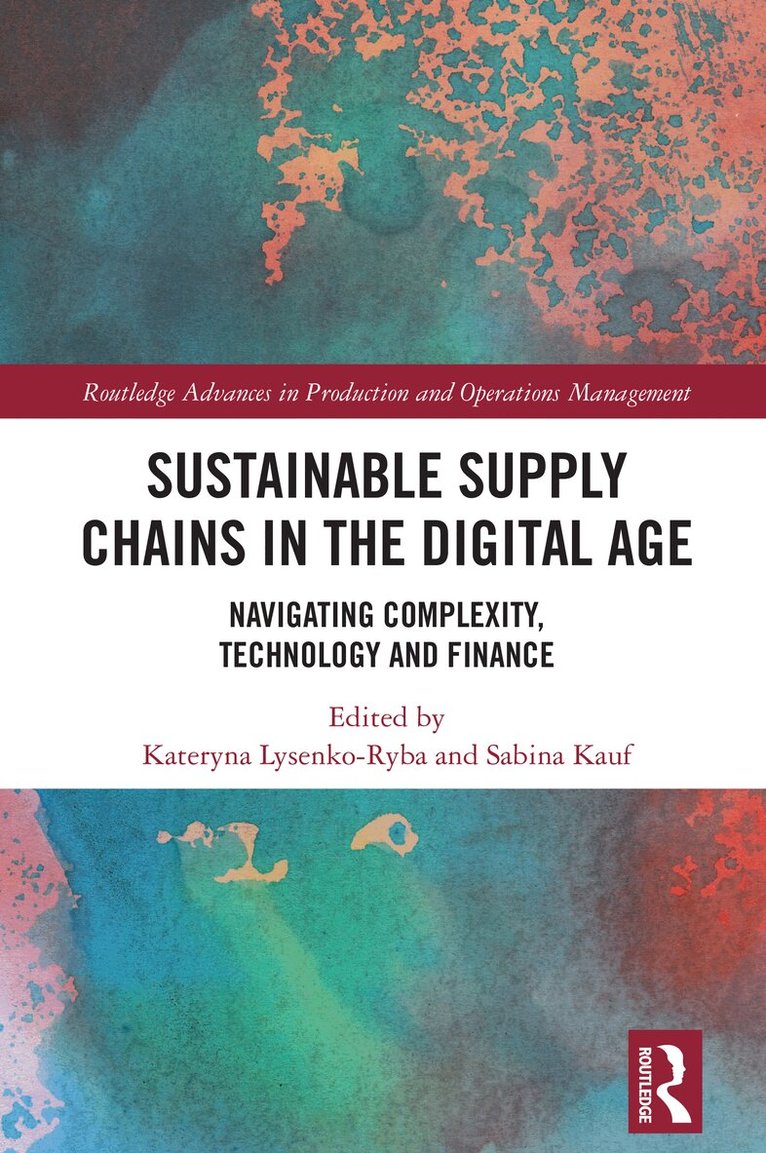
    Sustainable Supply Chains in the Digital Age

    Navigating Complexity, Technology and Finance

    AvKateryna Lysenko-Ryba,Sabina Kauf

    Inbunden, Engelska, 2026

    Del i serien Routledge Advances in Production and Operations Management

    2 421 kr

    Beställningsvara. Skickas inom 10-15 vardagar. Fri frakt över 249 kr.

    Beskrivning

    Modern supply chains operate in conditions of increasing complexity and uncertainty, resulting from both dynamic technological changes and increasing regulatory requirements. Companies must simultaneously optimise their processes for efficiency and costs, minimise risk, and adapt to new ESG standards that are changing the way supply chains operate. This requires modern management tools, strategic decisions based on data, and financing models that enable the implementation of solutions consistent with the principles of sustainable development.This book provides insights into how modern supply chains are evolving and why it matters to businesses, policymakers, and society at large. Contributors address the key challenges facing modern supply chains, from the rapid development of technologies – such as artificial intelligence, blockchain, the Internet of Things (IoT), and automation – revolutionising the way logistics and operations are managed, to increasing regulatory requirements and social pressure for sustainable development forcing companies to adapt their strategies to stricter environmental and ethical standards. The book also explores the financing of sustainable supply chains, expanding how financial instruments such as green bonds, ESG funds, and public–private partnerships can support logistics transformation in the face of new environmental standards.Combining theoretical foundations and practical insights, this edited collection is a valuable source of knowledge for researchers and advanced students of logistics and operations management in particular.

    Produktinformation

    • Utgivningsdatum:2026-06-02
    • Mått:156 x 234 x 18 mm
    • Vikt:720 g
    • Format:Inbunden
    • Språk:Engelska
    • Serie:Routledge Advances in Production and Operations Management
    • Antal sidor:292
    • Förlag:Taylor & Francis Ltd
    • ISBN:9781041165293

    Utforska kategorier

    • Projektledning inom Ekonomi och Ledarskap
    • Miljövetenskap och miljöpolitik inom Naturvetenskap och teknik

    Mer om författaren

    Kateryna Lysenko-Ryba is Assistant Professor at the University of Information Technology and Management in Rzeszów, Poland, Vice-Dean of the College of Management for the Logistics programme, and Academic Supervisor of the postgraduate studies in transport and forwarding.Sabina Kauf is Head of the Department of Marketing and Supply Chain Management at the University of Opole, where she obtained her PhD and postdoctoral degree and also serves as Head of the Department of Process Engineering and Logistics at the University of Information Technology and Management in Rzeszów, Poland.

    Innehållsförteckning

    • Introduction Part I - Technologies and Innovations in Supply Chains 1. Industry 5.0: Technological Revolution in Supply Chains - How New Technologies are Transforming Logistics Management 2. The Transformation of Supply Chains - Creating Innovative Solutions Using Artificial Intelligence 3. Sustainable Supply Chain Management: Emerging Challenges, Technological Innovations, and Future Research Perspectives 4. The Development of Computer Simulation in Supply Chain Management in light of the Applications of Artificial Intelligence and Virtual Reality 5. Application of Simulation Tools in Assessing the Benefits of Implementing IoT Systems in Manufacturing Companies Part II – Risks, Challenges, And Financing of Sustainable Supply Chains 6. Challenges and Concerns in ESG Reporting – Analysing Preparations for New Sustainability Regulations in Supply Chains 7. Effective Financing Tools in Sustainable Supply Chains 8. Sustainable Supply Chain Finance (SSCF) as a Manifestation of the Financialisation of Sustainable Supply Chains 9. The Systematic Approach to Risk Management in the Sustainable Supply Chain 10. Sustainable Supply Chains as a Foundation for Food Security and Sustainable Competitiveness of Regions 11. Optimization of Medical Device Management as an Element of Sustainable Supply Chains and the Implementation of Sustainable Development Policy in Medical Institutions Summary and Conclusions