• Fri frakt över 249 kr
  • •
  • Snabba leveranser
  • •
  • Billiga böcker
Kundservice

Du är på sajten för privatpersoner.

Företag, bibliotek eller offentlig verksamhet?

Du handlar på classic.bokus.com, där alla dina funktioner finns intakta.
Till classic.bokus.com
Bokus logotyp. Gå till startsidan.
  • Erbjudanden
  • Nyheter
  • Student
  • Topplistor
  • Barn & ungdom
  • Bokus Play
  • E-böcker
  • Pocketböcker
  • Spel & pussel

10% rabatt på allt med kod NYSTART10 →

Sidfot

Mina sidor

    Hjälp

    • Kundservice
    • Vanliga frågor och svar
    • Frakt och leverans
    • Retur vid ångerrätt
    • Reklamera vara
    • Betalning
    • Köpvillkor
    • Allmänna villkor
    • Information om webbplatsens tillgänglighet

    Om Bokus

    • Om oss
    • Pressrum
    • För studenter
    • För företag
    • För bibliotek och offentlig verksamhet
    • För leverantörer
    • Hållbarhet

    Populärt

    • Aktuella erbjudanden
    • Presentkort
    • Studentlitteratur
    • Nya böcker
    • Topplistor
    • Signerade böcker
    • Engelska böcker

    Inspiration

    • Boktips
    • BookTok
    • Populära bokserier
    • Barnbokskaraktärer
    • Populära författare
    Logotyp för Bokus
    Följ oss på Facebook (extern länk)Följ oss på Instagram (extern länk)Följ oss på YouTube (extern länk)Följ oss på TikTok (extern länk)
    bokus @ CookiesAnpassa cookiesIntegritetspolicyKöpvillkor
    Till Citymail hemsida (extern länk)Till Budbee hemsida (extern länk)Till Postnord hemsida (extern länk)Till Schenker hemsida (extern länk)Till Early Bird hemsida (extern länk)Till Walleys hemsida (extern länk)
    1. Juridik
    2. Särskilda rättsområden
    3. Socialrätt och hälso- och sjukvårdsrätt
    4. Hälso- och sjukvårdsrätt

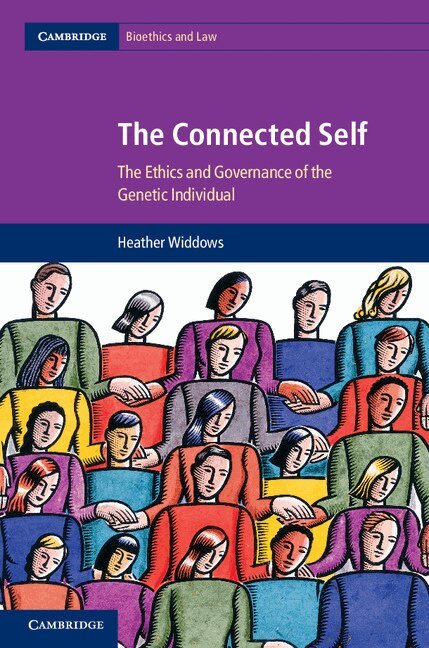
    The Connected Self

    The Ethics and Governance of the Genetic Individual

    AvHeather Widdows

    Inbunden, Engelska, 2013

    Del i serien Cambridge Bioethics and Law

    1 355 kr

    Beställningsvara. Skickas inom 10-15 vardagar. Fri frakt över 249 kr.

    Beskrivning

    Currently, the ethics infrastructure - from medical and scientific training to the scrutiny of ethics committees - focuses on trying to reform informed consent to do a job which it is simply not capable of doing. Consent, or choice, is not an effective ethical tool in public ethics and is particularly problematic in the governance of genetics. Heather Widdows suggests using alternative and additional ethical tools and argues that if individuals are to flourish it is necessary to recognise and respect communal and public goods as well as individual goods. To do this she suggests a two-step process - the 'ethical toolbox'. First the harms and goods of the particular situation are assessed and then appropriate practices are put in place to protect goods and prevent harms. This debate speaks to core concerns of contemporary public ethics and suggests a means to identify and prioritise public and common goods.

    Produktinformation

    • Utgivningsdatum:2013-01-17
    • Mått:156 x 235 x 16 mm
    • Vikt:450 g
    • Format:Inbunden
    • Språk:Engelska
    • Serie:Cambridge Bioethics and Law
    • Antal sidor:216
    • Förlag:Cambridge University Press
    • ISBN:9781107008601

    Utforska kategorier

    • Hälso- och sjukvårdsrätt inom Juridik

    Mer om författaren

    Heather Widdows is a Professor in the philosophy department at the University of Birmingham, where she teaches moral philosophy, bioethics, global ethics and health and happiness.

    Recensioner i media

    'Widdows' argument … not only clearly demonstrates the need for new ways of thinking about contemporary issues in genetics and genomics, but also highlights the ways in which ethics itself co-evolves with science.' Ruth Chadwick, Distinguished Research Professor, Cardiff University and Director, Cesagen

    Innehållsförteckning

    • 1. The individual self and its critics; 2. The individualist assumptions of bioethical frameworks; 3. The genetic self is the connected self; 4. The failures of individual ethics in the genetic era; 5. The communal turn; 6. Developing alternatives: benefit sharing; 7. Developing alternatives: trust; 8. The ethical toolbox part one: recognising goods and harms; 9. The ethical toolbox part two: applying appropriate practices; 10. Possible futures.