• Fri frakt över 249 kr
  • •
  • Snabba leveranser
  • •
  • Billiga böcker
Kundservice

Du är på sajten för privatpersoner.

Företag, bibliotek eller offentlig verksamhet?

Du handlar på classic.bokus.com, där alla dina funktioner finns intakta.
Till classic.bokus.com
Bokus logotyp. Gå till startsidan.
  • Erbjudanden
  • Nyheter
  • Student
  • Topplistor
  • Barn & ungdom
  • Bokus Play
  • E-böcker
  • Pocketböcker
  • Spel & pussel

10% rabatt på allt med kod: NYSTART10 →

Sidfot

Mina sidor

    Hjälp

    • Kundservice
    • Vanliga frågor och svar
    • Frakt och leverans
    • Retur vid ångerrätt
    • Reklamera vara
    • Betalning
    • Köpvillkor
    • Allmänna villkor
    • Information om webbplatsens tillgänglighet

    Om Bokus

    • Om oss
    • Pressrum
    • För studenter
    • För företag
    • För bibliotek och offentlig verksamhet
    • För leverantörer
    • Hållbarhet

    Populärt

    • Aktuella erbjudanden
    • Presentkort
    • Studentlitteratur
    • Nya böcker
    • Topplistor
    • Signerade böcker
    • Engelska böcker

    Inspiration

    • Boktips
    • BookTok
    • Populära bokserier
    • Barnbokskaraktärer
    • Populära författare
    Logotyp för Bokus
    Följ oss på Facebook (extern länk)Följ oss på Instagram (extern länk)Följ oss på YouTube (extern länk)Följ oss på TikTok (extern länk)
    bokus @ CookiesAnpassa cookiesIntegritetspolicyKöpvillkor
    Till Citymail hemsida (extern länk)Till Budbee hemsida (extern länk)Till Postnord hemsida (extern länk)Till Schenker hemsida (extern länk)Till Early Bird hemsida (extern länk)Till Walleys hemsida (extern länk)
    1. Skönlitteratur
    2. Litteraturvetenskap
    3. Litteraturteori

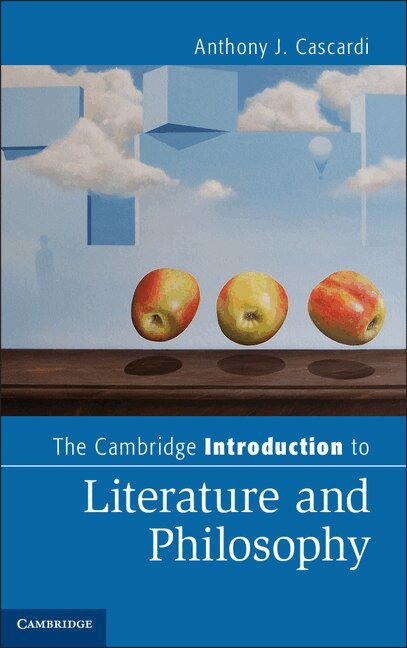
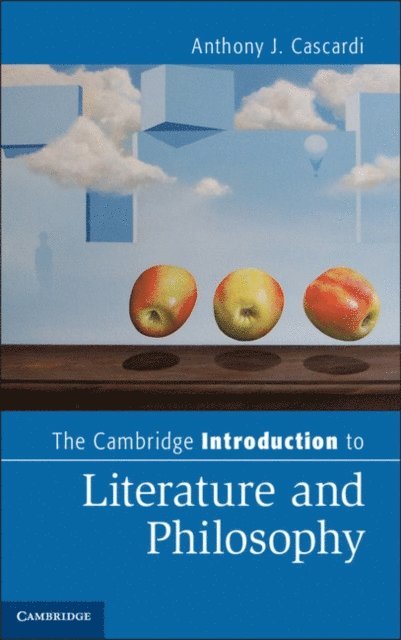
    The Cambridge Introduction to Literature and Philosophy

    AvAnthony J. Cascardi

    Inbunden, Engelska, 2014

    Del i serien Cambridge Introductions to Literature

    1 273 kr

    Beställningsvara. Skickas inom 10-15 vardagar. Fri frakt över 249 kr.

    Fler format och utgåvor

    Häftad

    377 kr

    Beskrivning

    Literature and philosophy have long shared an interest in questions of truth, value, and form. And yet, from ancient times to the present, they have often sharply diverged, both in their approach to these questions and in their relationship to one another. Moreover, the vast differences among individual writers, historical periods, and languages pose challenges for anyone wishing to understand the relationship between them. This Introduction provides a synthetic and original guide to this vast terrain. It uncovers the deep interests that literature and philosophy share while offering a lucid account of their differences. It sheds new light on many standing debates and offers students and scholars of literary criticism, literary theory, and philosophy a chance to think freshly about questions that have preoccupied the Western tradition from its very beginnings up until the present.

    Produktinformation

    • Utgivningsdatum:2014-02-17
    • Mått:157 x 235 x 17 mm
    • Vikt:440 g
    • Format:Inbunden
    • Språk:Engelska
    • Serie:Cambridge Introductions to Literature
    • Antal sidor:238
    • Förlag:Cambridge University Press
    • ISBN:9781107010543

    Utforska kategorier

    • Litteraturteori inom Skönlitteratur

    Mer om författaren

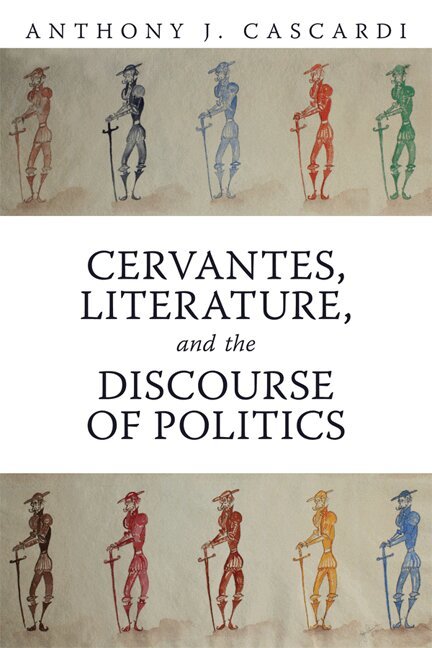
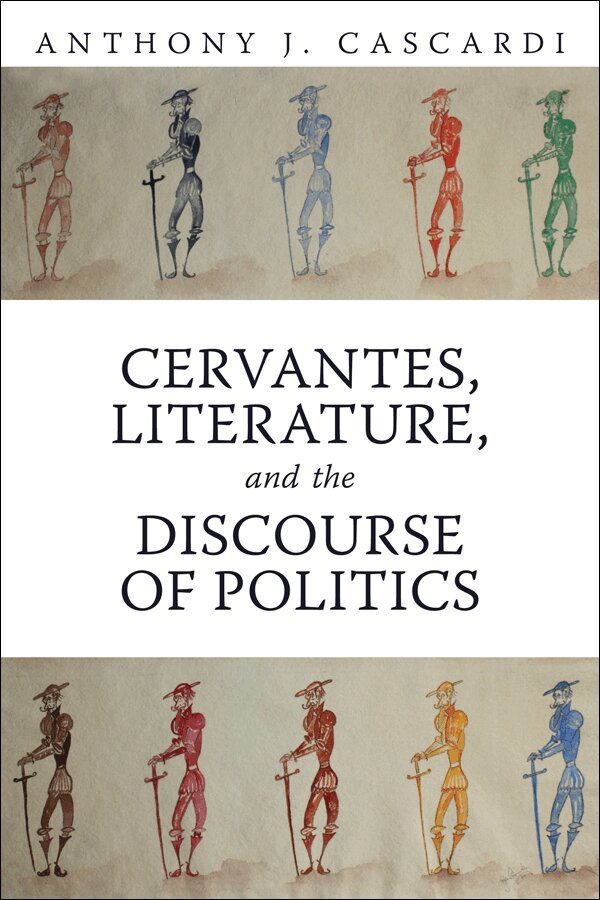
    Anthony J. Cascardi is Dean of Arts and Humanities at the University of California, Berkeley, where he also holds the Sidney and Margaret Ancker Chair in Comparative Literature, Rhetoric, and Spanish. His many publications across the fields of literature and philosophy include The Subject of Modernity (Cambridge University Press, 1992), Consequences of Enlightenment (Cambridge University Press, 1998) and Cervantes, Literature, and the Discourse of Politics (2012), which was awarded the Phyllis Goodhart Gordon Prize by the Renaissance Society of America.

    Innehållsförteckning

    • Introduction; Part I. Questions of Truth and Knowledge: 1. The 'ancient quarrel'; 2. Action, imitations, conventions of make-believe; 3. The single observer standpoint and its limits; 4. Contingency, irony, edification: changing the conversation about truth; Part II. Questions of Value: 5. Values, contingencies, conflicts; 6. Reason and autonomy, imagination and feeling; 7. Forces and the will; 8. Opacity; Part III. Questions of Form: 9. Ubiquitous form; 10. Linguistic turns; 11. Form, narrative, novel; 12. Forms and fragments; Afterword: limits.