• Fri frakt över 249 kr
  • •
  • Snabba leveranser
  • •
  • Billiga böcker
Kundservice

Du är på sajten för privatpersoner.

Företag, bibliotek eller offentlig verksamhet?

Du handlar på classic.bokus.com, där alla dina funktioner finns intakta.
Till classic.bokus.com
Bokus logotyp. Gå till startsidan.
  • Erbjudanden
  • Nyheter
  • Student
  • Topplistor
  • Barn & ungdom
  • Bokus Play
  • E-böcker
  • Pocketböcker
  • Spel & pussel

10% rabatt på allt med kod: NYSTART10 →

Sidfot

Mina sidor

    Hjälp

    • Kundservice
    • Vanliga frågor och svar
    • Frakt och leverans
    • Retur vid ångerrätt
    • Reklamera vara
    • Betalning
    • Köpvillkor
    • Allmänna villkor
    • Information om webbplatsens tillgänglighet

    Om Bokus

    • Om oss
    • Pressrum
    • För studenter
    • För företag
    • För bibliotek och offentlig verksamhet
    • För leverantörer
    • Hållbarhet

    Populärt

    • Aktuella erbjudanden
    • Presentkort
    • Studentlitteratur
    • Nya böcker
    • Topplistor
    • Signerade böcker
    • Engelska böcker

    Inspiration

    • Boktips
    • BookTok
    • Populära bokserier
    • Barnbokskaraktärer
    • Populära författare
    Logotyp för Bokus
    Följ oss på Facebook (extern länk)Följ oss på Instagram (extern länk)Följ oss på YouTube (extern länk)Följ oss på TikTok (extern länk)
    bokus @ CookiesAnpassa cookiesIntegritetspolicyKöpvillkor
    Till Citymail hemsida (extern länk)Till Budbee hemsida (extern länk)Till Postnord hemsida (extern länk)Till Schenker hemsida (extern länk)Till Early Bird hemsida (extern länk)Till Walleys hemsida (extern länk)
    1. Historia och arkeologi
    2. Historia

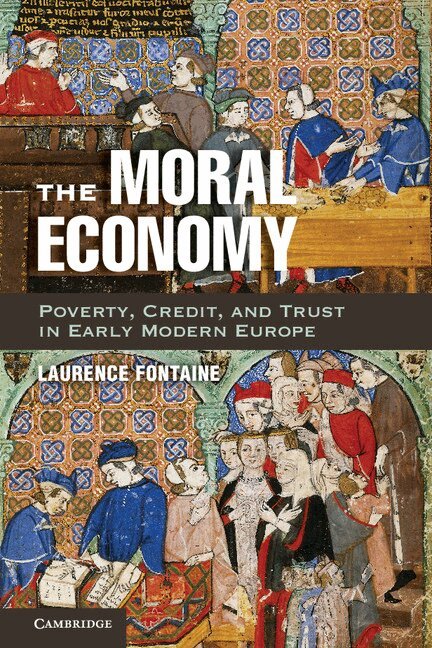
    The Moral Economy

    Poverty, Credit, and Trust in Early Modern Europe

    AvLaurence Fontaine

    Inbunden, Engelska, 2014

    1 098 kr

    Beställningsvara. Skickas inom 10-15 vardagar. Fri frakt över 249 kr.

    Fler format och utgåvor

    Häftad

    390 kr

    Beskrivning

    The Moral Economy examines the nexus of poverty, credit, and trust in early modern Europe. It starts with an examination of poverty, the need for credit, and the lending practices of different social groups. It then reconstructs the battles between the Churches and the State around the ban on usury, and analyzes the institutions created to eradicate usury and the informal petty financial economy that developed as a result. Laurence Fontaine unpacks the values that structured these lending practices, namely, the two competing cultures of credit that coexisted, fought, and sometimes merged: the vibrant aristocratic culture and the capitalistic merchant culture. More broadly, Fontaine shows how economic trust between individuals was constructed in the early modern world. By creating a dialogue between past and present, and contrasting their definitions of poverty, the role of the market, and the mechanisms of microcredit, Fontaine draws attention to the necessity of recognizing the different values that coexist in diverse political economies.

    Produktinformation

    • Utgivningsdatum:2014-04-21
    • Mått:156 x 235 x 20 mm
    • Vikt:560 g
    • Format:Inbunden
    • Språk:Engelska
    • Antal sidor:326
    • Förlag:Cambridge University Press
    • ISBN:9781107018815

    Utforska kategorier

    • Historia inom Historia och arkeologi

    Mer om författaren

    Laurence Fontaine is Director of Research at the French National Center for Scientific Research in Paris. Formerly a professor in the History and Civilization Department at the European University Institute in Florence, Italy, she has published many books and articles in major European journals.

    Recensioner i media

    'The Moral Economy, a fascinating book by a seasoned social historian, is motivated by the question of whether the premodern moral economy holds any lessons for how future generations should approach social problems. Lamenting the extent to which contemporary politics has become dominated by modern economics, Laurence Fontaine begins her book by posing the question, 'Is there an alternative to this new form of savagery that economic liberalism has become?' …' Carl Wennerlind, The Journal of Modern History

    Innehållsförteckning

    • Introduction; Prologue; 1. Poverty, credit and social networks; 2. Peasants and debt logic; 3. The elite and debt logic; 4. Urban financial microcircuits; 5. Women's economic spheres and credit; 6. Between bank and assistance: setting up pawnshops; 7. The battle of prohibitions against usury; 8. Political economies and cultures of exchange; 9. Political economy and exchange practices; 10. Building trust; Conclusion.