• Fri frakt över 249 kr
  • •
  • Snabba leveranser
  • •
  • Billiga böcker
Kundservice

Du är på sajten för privatpersoner.

Företag, bibliotek eller offentlig verksamhet?

Du handlar på classic.bokus.com, där alla dina funktioner finns intakta.
Till classic.bokus.com
Bokus logotyp. Gå till startsidan.
  • Erbjudanden
  • Nyheter
  • Student
  • Topplistor
  • Barn & ungdom
  • Bokus Play
  • E-böcker
  • Pocketböcker
  • Spel & pussel

10% rabatt på allt med kod: NYSTART10 →

Sidfot

Mina sidor

    Hjälp

    • Kundservice
    • Vanliga frågor och svar
    • Frakt och leverans
    • Retur vid ångerrätt
    • Reklamera vara
    • Betalning
    • Köpvillkor
    • Allmänna villkor
    • Information om webbplatsens tillgänglighet

    Om Bokus

    • Om oss
    • Pressrum
    • För studenter
    • För företag
    • För bibliotek och offentlig verksamhet
    • För leverantörer
    • Hållbarhet

    Populärt

    • Aktuella erbjudanden
    • Presentkort
    • Studentlitteratur
    • Nya böcker
    • Topplistor
    • Signerade böcker
    • Engelska böcker

    Inspiration

    • Boktips
    • BookTok
    • Populära bokserier
    • Barnbokskaraktärer
    • Populära författare
    Logotyp för Bokus
    Följ oss på Facebook (extern länk)Följ oss på Instagram (extern länk)Följ oss på YouTube (extern länk)Följ oss på TikTok (extern länk)
    bokus @ CookiesAnpassa cookiesIntegritetspolicyKöpvillkor
    Till Citymail hemsida (extern länk)Till Budbee hemsida (extern länk)Till Postnord hemsida (extern länk)Till Schenker hemsida (extern länk)Till Early Bird hemsida (extern länk)Till Walleys hemsida (extern länk)
    1. Historia och arkeologi
    2. Historia
    3. Europas historia

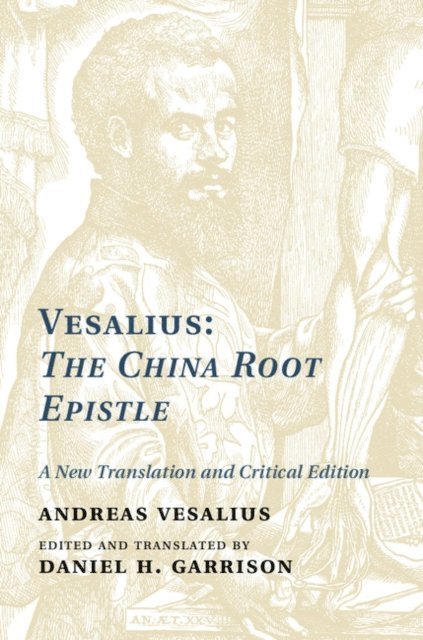
    Vesalius: The China Root Epistle

    A New Translation and Critical Edition

    AvAndreas Vesalius,Daniel H. Garrison

    Inbunden, Engelska, 2015

    739 kr

    Beställningsvara. Skickas inom 10-15 vardagar. Fri frakt över 249 kr.

    Fler format och utgåvor

    E-bok

    862 kr

    E-bok

    862 kr

    Beskrivning

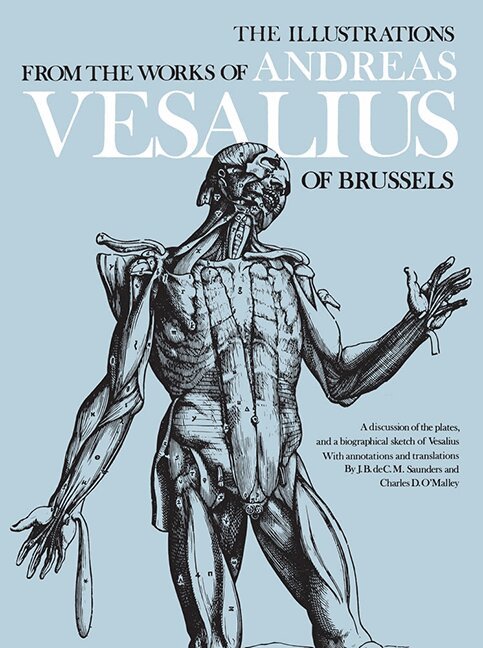
    This book provides the first annotated English translation from the original Latin of Andreas Vesalius' China Root Epistle. Ostensibly his appraisal of a fashionable herbal remedy, the China Root Epistle concentrates on Vesalius' skeptical appraisal of traditional Galenic anatomy, which was based on animal rather than human dissections. Along with reflections about his life as a young anatomist, Vesalius argued that the new science of anatomy should devote itself less to rhetorical polemics and more to the craft of direct observation based on human dissection. This volume provides annotations to link the Epistle with Vesalius' earlier and more famous work, On the Fabric of the Human Body, and includes illustrations from the famous woodcuts first used in the 1543 edition of the Fabrica.

    Produktinformation

    • Utgivningsdatum:2015-01-12
    • Mått:158 x 235 x 21 mm
    • Vikt:570 g
    • Format:Inbunden
    • Språk:Engelska
    • Antal sidor:290
    • Förlag:Cambridge University Press
    • ISBN:9781107026353
    • Översättare:Daniel H. Garrison

    Utforska kategorier

    • Europas historia inom Historia och arkeologi

    Mer om författaren

    Daniel H. Garrison is Professor Emeritus in the Department of Classics at Northwestern University. He is the translator of The Fabric of the Human Body (with Malcolm Hast, forthcoming) and the author of several books, including Sexual Culture in Ancient Greece, The Student's Catullus and Horace Epodes and Odes. A New Annotated Latin Edition.

    Recensioner i media

    'Non-Latin readers can now compare its contentwith the annotations in Vesalius's own hand to the revised Fabrica of 1555, viewed as a major contribution to anatomical understanding in its own right rather than a mere update of 1543.' Gül Russell, Renaissance Quarterly

    Innehållsförteckning

    • 1. Dedicatory preface Franciscus Vesalius; 2. Author's greeting to Joachim Roelants; 3. Occasion for writing about the China root; 4. With what success many have used the China; 5. Description of the China root; 6. Method of preparing the China decoction; 7. Quantity of the first China decoction to be delivered, and the time to give it; 8. How a sweat should be induced; 9. What drink is useful; 10. Sleep and wakefulness; 11. Movement and rest; 12. Concern about bodily wastes; 13. What affects of the mind are applicable; 14. Sexual activity; 15. How long the first decoction should be used; 16. A method of taking and preparing a second decoction; 17. A way of administering sparta parilla; 18. Native and familiar drugs should be put to use rather than exotics; 19. Decoction of chamaedrys; 20. No small results can by expected from genuine rhapontic; 21. Hapless people who gratify themselves by publishing something; 22. Occasion for the letter of Sylvius in which it was declared that nothing written by Galen is completely in error; 23. Occasion for the opinion, here to be recorded, of the letter in which Vesalius replied to Sylvius; 24. Galen did not dissect humans, but teaches the study of animals instead of man; 25. A number of conjectures from the bones; 26. Conclusions drawn about the fat, muscles, and ligaments, whereby it is concluded that Galen did not describe the human fabric; 27. Several places taken from the series of veins and arteries in which it is inferred that Galen did not dissect humans; 28. Reasons taken from the nerves by which it is known that humans were not dissected by Galen; 29. Reasons selected from the contents of the peritoneum; 30. Some conjectures based upon the parts that are contained in the thorax; 31. Reasons taken from those contained in the skull; 32. Some places where Galen openly criticized the Ancients because they had dissected humans and not apes, as he did; 33. Not everything in his description of the parts was correctly reported and described by Galen; 34. A number of untrue descriptions in the bones; 35. Several inaccurate descriptions taken from the account of muscles and ligaments; 36. Some false descriptions gathered from the account of veins and arteries; 37. Accepted descriptions in the account of nerves which are not quite true; 38. Descriptions of the parts that are contained in the peritoneum, which are not entirely true; 39. Several untrue descriptions gathered from the parts contained in the thorax; 40. False descriptions among the parts that are surrounded by the skull; 41. Some places where it is known that Galen was not altogether sound in assigning the functions and uses of the parts; 42. In his account of the bones; 43. Several uses and functions not well assigned in Galen's account of the muscles and ligaments; 44. Places collected from the description of veins, arteries, and nerves where it is known that Galen consistently assigned incorrect uses and actions; 45. A description of some things that are contained in the peritoneum; 46. From the description of parts located in the thorax and skull; 47. Some invalid anatomical proofs of Galen are mentioned; 48. How useful the annotations of Vesalius have been in Galenic anatomy, and how little they are to be needed hereafter; 49. Method of administering the water of the China root.