• Fri frakt över 249 kr
  • •
  • Snabba leveranser
  • •
  • Billiga böcker
Kundservice

Du är på sajten för privatpersoner.

Företag, bibliotek eller offentlig verksamhet?

Du handlar på classic.bokus.com, där alla dina funktioner finns intakta.
Till classic.bokus.com
Bokus logotyp. Gå till startsidan.
  • Erbjudanden
  • Nyheter
  • Student
  • Topplistor
  • Barn & ungdom
  • Bokus Play
  • E-böcker
  • Pocketböcker
  • Spel & pussel

10% rabatt på allt med kod: NYSTART10 →

Sidfot

Mina sidor

    Hjälp

    • Kundservice
    • Vanliga frågor och svar
    • Frakt och leverans
    • Retur vid ångerrätt
    • Reklamera vara
    • Betalning
    • Köpvillkor
    • Allmänna villkor
    • Information om webbplatsens tillgänglighet

    Om Bokus

    • Om oss
    • Pressrum
    • För studenter
    • För företag
    • För bibliotek och offentlig verksamhet
    • För leverantörer
    • Hållbarhet

    Populärt

    • Aktuella erbjudanden
    • Presentkort
    • Studentlitteratur
    • Nya böcker
    • Topplistor
    • Signerade böcker
    • Engelska böcker

    Inspiration

    • Boktips
    • BookTok
    • Populära bokserier
    • Barnbokskaraktärer
    • Populära författare
    Logotyp för Bokus
    Följ oss på Facebook (extern länk)Följ oss på Instagram (extern länk)Följ oss på YouTube (extern länk)Följ oss på TikTok (extern länk)
    bokus @ CookiesAnpassa cookiesIntegritetspolicyKöpvillkor
    Till Citymail hemsida (extern länk)Till Budbee hemsida (extern länk)Till Postnord hemsida (extern länk)Till Schenker hemsida (extern länk)Till Early Bird hemsida (extern länk)Till Walleys hemsida (extern länk)
    1. Psykologi och pedagogik
    2. Pedagogik
    3. Pedagogisk psykologi

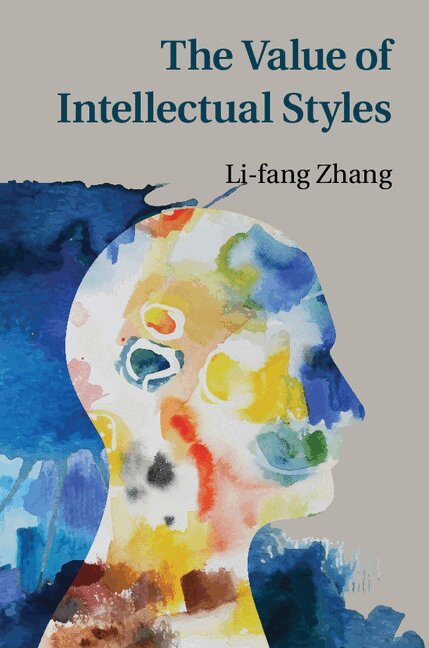
    The Malleability of Intellectual Styles

    AvLi-fang Zhang

    Inbunden, Engelska, 2013

    1 571 kr

    Beställningsvara. Skickas inom 10-15 vardagar. Fri frakt över 249 kr.

    Fler format och utgåvor

    Häftad

    528 kr

    Beskrivning

    Intellectual styles are individuals' preferred ways of using the abilities that they possess. The extent to which one can change his or her intellectual style is a question of interest to both researchers and the general public. This book presents the first comprehensive and systematic review of existing research on the malleability of intellectual styles. By critically analyzing research findings derived from both cross-sectional and longitudinal investigations performed over the past seven decades, Li-fang Zhang demonstrates that intellectual styles can be modified through both socialization and purposeful training. Professor Zhang elucidates the heuristic value of these findings for the development of adaptive intellectual styles in both academic and non-academic settings. She proposes further avenues of research that might advance scholarly understanding of the nature of and the potential for modifying intellectual styles.

    Produktinformation

    • Utgivningsdatum:2013-09-09
    • Mått:157 x 231 x 25 mm
    • Vikt:730 g
    • Format:Inbunden
    • Språk:Engelska
    • Antal sidor:382
    • Förlag:Cambridge University Press
    • ISBN:9781107096448
    • Utmärkelser:Outstanding Research Output Prize, University of Hong Kong 2013-2014

    Utforska kategorier

    • Pedagogisk psykologi inom Psykologi och pedagogik

    Mer om författaren

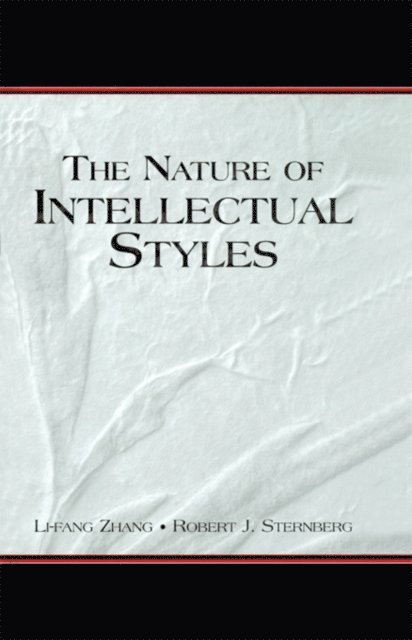
    Li-fang Zhang is Professor of Psychology and Education in the Faculty of Education at the University of Hong Kong. She is the co-author of five books, including the award-winning monograph The Nature of Intellectual Styles (2006). Professor Zhang has also published works on such diverse research areas as creativity, giftedness, personality, student development, teacher education, higher education, multicultural education and the academic profession.

    Innehållsförteckning

    • Preface; Acknowledgments; Part I. Background: 1. Motivation for this book; 2. Key style models and measures; Part II. Empirical Evidence: Cross-sectional Studies: 3. Gender and intellectual styles; 4. Culture and intellectual styles; 5. Academic discipline and intellectual styles; 6. Occupation and intellectual styles; Part III. Empirical Evidence: Longitudinal Studies: 7. Longitudinal studies with interventions; 8. Longitudinal studies without interventions; Part IV. Concluding Remarks: 9. Evaluation, future directions, and implications; Epilogue.