• Fri frakt över 249 kr
  • •
  • Snabba leveranser
  • •
  • Billiga böcker
Kundservice

Du är på sajten för privatpersoner.

Företag, bibliotek eller offentlig verksamhet?

Du handlar på classic.bokus.com, där alla dina funktioner finns intakta.
Till classic.bokus.com
Bokus logotyp. Gå till startsidan.
  • Erbjudanden
  • Nyheter
  • Student
  • Topplistor
  • Barn & ungdom
  • Bokus Play
  • E-böcker
  • Pocketböcker
  • Spel & pussel

10% rabatt på allt med kod: NYSTART10 →

Sidfot

Mina sidor

    Hjälp

    • Kundservice
    • Vanliga frågor och svar
    • Frakt och leverans
    • Retur vid ångerrätt
    • Reklamera vara
    • Betalning
    • Köpvillkor
    • Allmänna villkor
    • Information om webbplatsens tillgänglighet

    Om Bokus

    • Om oss
    • Pressrum
    • För studenter
    • För företag
    • För bibliotek och offentlig verksamhet
    • För leverantörer
    • Hållbarhet

    Populärt

    • Aktuella erbjudanden
    • Presentkort
    • Studentlitteratur
    • Nya böcker
    • Topplistor
    • Signerade böcker
    • Engelska böcker

    Inspiration

    • Boktips
    • BookTok
    • Populära bokserier
    • Barnbokskaraktärer
    • Populära författare
    Logotyp för Bokus
    Följ oss på Facebook (extern länk)Följ oss på Instagram (extern länk)Följ oss på YouTube (extern länk)Följ oss på TikTok (extern länk)
    bokus @ CookiesAnpassa cookiesIntegritetspolicyKöpvillkor
    Till Citymail hemsida (extern länk)Till Budbee hemsida (extern länk)Till Postnord hemsida (extern länk)Till Schenker hemsida (extern länk)Till Early Bird hemsida (extern länk)Till Walleys hemsida (extern länk)
    1. Psykologi och pedagogik
    2. Psykologi
    3. Kognitiv psykologi

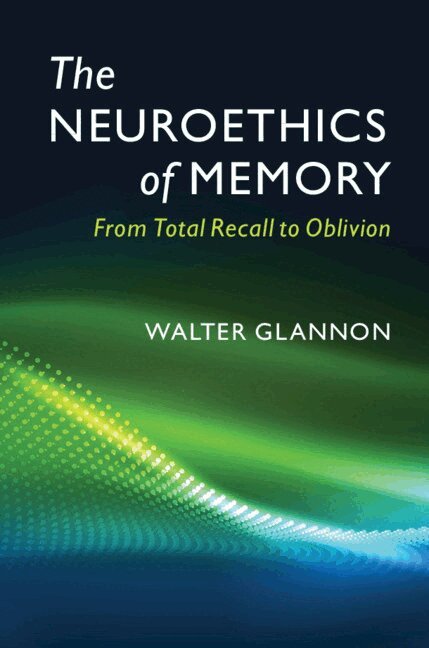
    The Neuroethics of Memory

    From Total Recall to Oblivion

    AvWalter Glannon

    Inbunden, Engelska, 2019

    971 kr

    Beställningsvara. Skickas inom 10-15 vardagar. Fri frakt över 249 kr.

    Fler format och utgåvor

    Häftad

    432 kr

    Beskrivning

    The Neuroethics of Memory is a thematically integrated analysis and discussion of neuroethical questions about memory capacity and content, as well as interventions to alter it. These include: how does memory function enable agency, and how does memory dysfunction disable it? To what extent is identity based on our capacity to accurately recall the past? Could a person who becomes aware during surgery be harmed if they have no memory of the experience? How do we weigh the benefits and risks of brain implants designed to enhance, weaken or erase memory? Can a person be responsible for an action if they do not recall it? Would a victim of an assault have an obligation to retain a memory of this act, or the right to erase it? This book uses a framework informed by neuroscience, psychology, and philosophy combined with actual and hypothetical cases to examine these and related questions.

    Produktinformation

    • Utgivningsdatum:2019-08-08
    • Mått:156 x 234 x 17 mm
    • Vikt:470 g
    • Format:Inbunden
    • Språk:Engelska
    • Antal sidor:242
    • Förlag:Cambridge University Press
    • ISBN:9781107131972

    Utforska kategorier

    • Kognitiv psykologi inom Psykologi och pedagogik

    Mer om författaren

    Walter Glannon is Professor of Philosophy at the University of Calgary, Canada. He has served as a clinical ethicist at three different hospitals and has held academic appointments at McGill University and the University of British Columbia. He is also the author or editor of ten books, including Free Will and the Brain: Neuroscientific, Philosophical, and Legal Perspectives (Cambridge, 2015).

    Recensioner i media

    'Walter Glannon achieves a rare balance: the book is clear and detailed about the neuroscience of memory and is also insightful about the legal and ethical challenges that scientific advances entail. This is a very timely and useful book.' Nick Davis, Manchester Metropolitan University

    Innehållsförteckning

    • Introduction; 1. Memory systems and memory stages; 2. Agency, identity and dementia; 3. Anesthesia, amnesia and recall; 4. Disorders of memory content and interventions; 5. Disorders of memory capacity and interventions; 6. Legal issues involving memory; Epilogue. The future of memory.