• Fri frakt över 249 kr
  • •
  • Snabba leveranser
  • •
  • Billiga böcker
Kundservice

Du är på sajten för privatpersoner.

Företag, bibliotek eller offentlig verksamhet?

Du handlar på classic.bokus.com, där alla dina funktioner finns intakta.
Till classic.bokus.com
Bokus logotyp. Gå till startsidan.
  • Erbjudanden
  • Nyheter
  • Student
  • Topplistor
  • Barn & ungdom
  • Bokus Play
  • E-böcker
  • Pocketböcker
  • Spel & pussel

Må bättre, för mindre! Upp till 50% rabatt på hälsoböcker

Sidfot

Mina sidor

    Hjälp

    • Kundservice
    • Vanliga frågor och svar
    • Frakt och leverans
    • Retur vid ångerrätt
    • Reklamera vara
    • Betalning
    • Köpvillkor
    • Allmänna villkor
    • Information om webbplatsens tillgänglighet

    Om Bokus

    • Om oss
    • Pressrum
    • För studenter
    • För företag
    • För bibliotek och offentlig verksamhet
    • För leverantörer
    • Hållbarhet

    Populärt

    • Aktuella erbjudanden
    • Presentkort
    • Studentlitteratur
    • Nya böcker
    • Topplistor
    • Signerade böcker
    • Engelska böcker

    Inspiration

    • Boktips
    • BookTok
    • Populära bokserier
    • Barnbokskaraktärer
    • Populära författare
    Logotyp för Bokus
    Följ oss på Facebook (extern länk)Följ oss på Instagram (extern länk)Följ oss på YouTube (extern länk)Följ oss på TikTok (extern länk)
    bokus @ CookiesAnpassa cookiesIntegritetspolicyKöpvillkor
    Till Citymail hemsida (extern länk)Till Budbee hemsida (extern länk)Till Postnord hemsida (extern länk)Till Schenker hemsida (extern länk)Till Early Bird hemsida (extern länk)Till Walleys hemsida (extern länk)
    1. Samhälle och politik
    2. Samhälle och kultur
    3. Sociala grupper och identitet
    4. Genusvetenskap

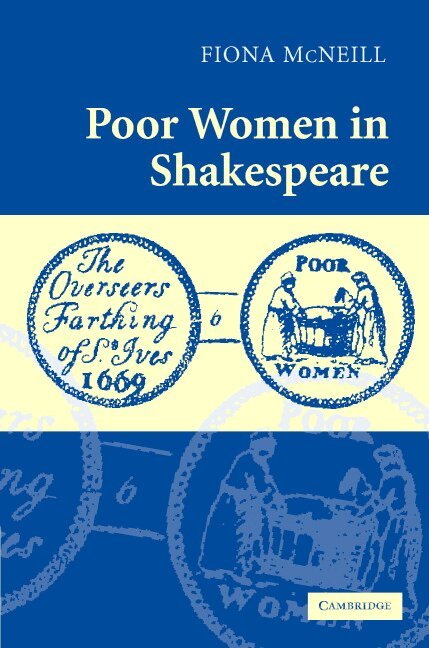
    Poor Women in Shakespeare

    AvFiona McNeill

    Häftad, Engelska, 2012

    597 kr

    Beställningsvara. Skickas inom 10-15 vardagar. Fri frakt över 249 kr.

    Fler format och utgåvor

    Inbunden

    1 338 kr

    Beskrivning

    Poor women do not fit easily into the household in Shakespeare. They shift in and out of marriages, households, and employments, carrying messages, tallying bills, and making things happen; never the main character but always evoking the ever-present problem of female poverty in early modern England. Like the illegal farthings that carried their likenesses, poor women both did and did not fit into the household and marriage market. They were both essential to and excluded from the economy. They are both present and absent on the early modern stage. In the drama, they circulate between plots, essential because they are so mobile, but largely unnoticed because of their mobility. These female characters represent an exploration of gender and economic roles at the bottom, as England shifted from feudalism to empire in the span of Shakespeare's lifetime. We find their dramas played out in the plays of Shakespeare and his contemporaries.
    Produktinformation

    • Utgivningsdatum:2012-07-26
    • Mått:150 x 226 x 20 mm
    • Vikt:390 g
    • Format:Häftad
    • Språk:Engelska
    • Antal sidor:268
    • Förlag:Cambridge University Press
    • ISBN:9781107405936

    Utforska kategorier

    • Genusvetenskap inom Samhälle och politik

    Mer om författaren

    Fiona McNeill is a former professor and private book developer and holds a PhD on the subject of Shakespeare. She is the author of Ten Steps to an A.

    Recensioner i media

    'For McNeill, 'the drama provides a living document of the changing economic conditions of … 'early capitalism', which forced poor women to shift into the limited freedom of provisional labor and then shifted them back into bondage in the workhouse and plantation'. She analyses these social moves through examining the 'words for women' located in the texts that dramatize them. Exploring plays, pamphlets, conduct books, court records and more, she provides a fascinating look at the diverse roles poor women played, both onstage and in their daily lives.' Theatre Research International

    Innehållsförteckning

    • Introduction: maid, wife, and widow: re-organizing early modern women; 1. Free and bound maids: poor women in early industrial England; 2. Pregnant maids: the new bastardy laws; 3. Playhouse, courtroom, and pulpit: poor women in the news; 4. Masterless women in early modern London; 5. Poor women in the New World; Bibliography.