

Relics of Death in Victorian Literature and Culture
Häftad, Engelska, 2017
Del 96 i serien Cambridge Studies in Nineteenth-Century Literature and Culture
640 kr
Beställningsvara. Skickas inom 5-8 vardagar. Fri frakt över 249 kr.
Fler format och utgåvor
Beskrivning
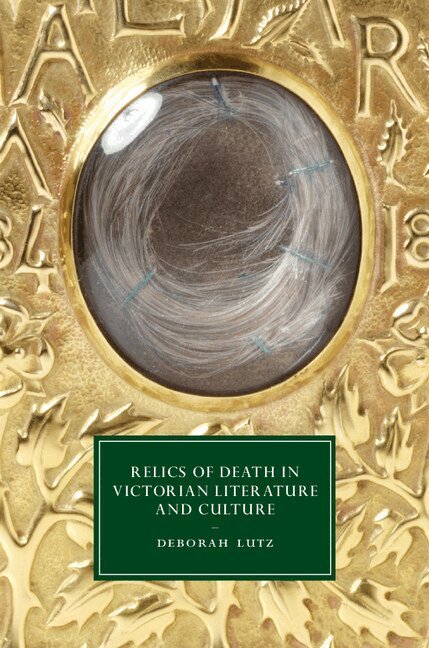
Nineteenth-century Britons treasured objects of daily life that had once belonged to their dead. The love of these keepsakes, which included hair, teeth, and other remains, speaks of an intimacy with the body and death, a way of understanding absence through its materials, which is less widely felt today. Deborah Lutz analyzes relic culture as an affirmation that objects held memories and told stories. These practices show a belief in keeping death vitally intertwined with life - not as memento mori but rather as respecting the singularity of unique beings. In a consumer culture in full swing by the 1850s, keepsakes of loved ones stood out as non-reproducible, authentic things whose value was purely personal. Through close reading of the works of Charles Dickens, Emily Brontë, Alfred Lord Tennyson, Thomas Hardy, and others, this study illuminates the treasuring of objects that had belonged to or touched the dead.
Produktinformation
Utforska kategorier
Mer om författaren
Recensioner i media
Innehållsförteckning




Hoppa över listan
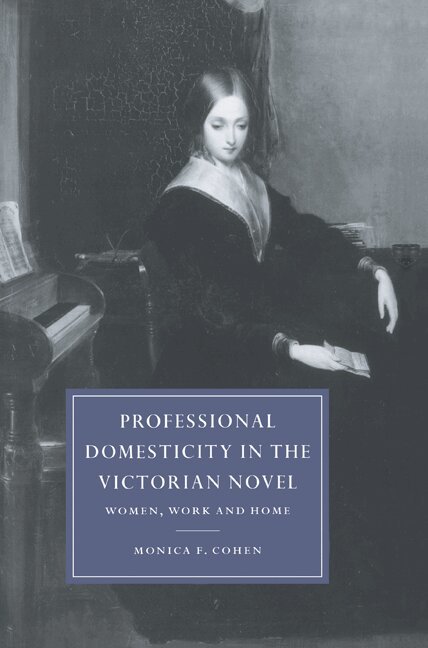

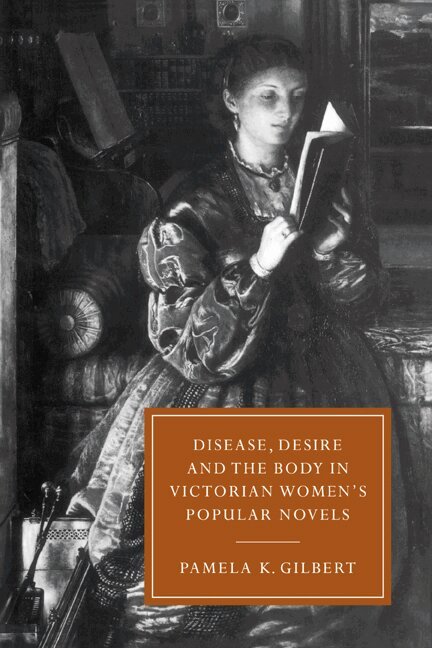
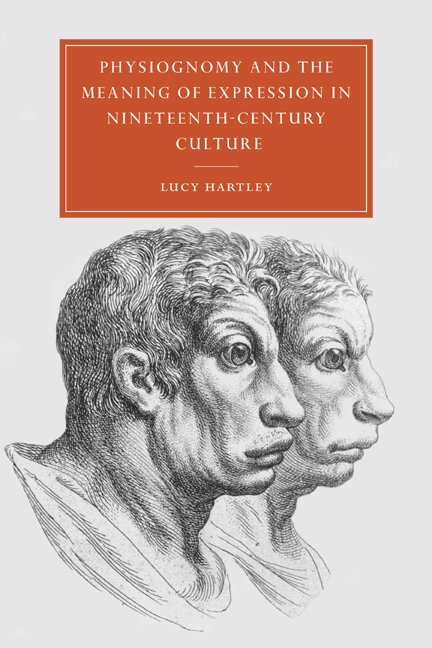
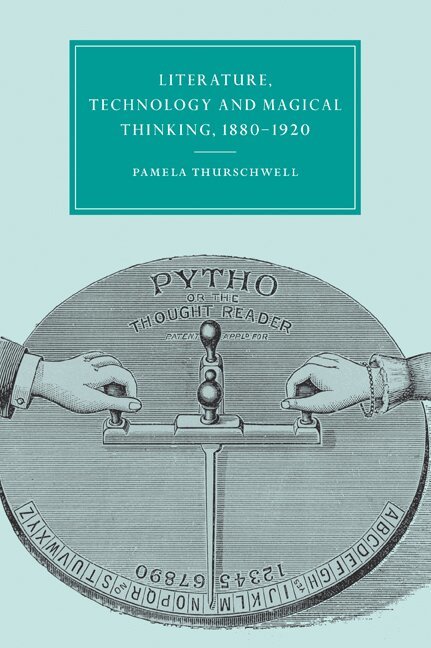
Mer från samma serie
Del 9
Del 14
Professional Domesticity in the Victorian Novel
Monica Feinberg Cohen, Gillian Beer
Häftad, 2005
787 kr
Del 15
Del 11
Disease, Desire, and the Body in Victorian Women's Popular Novels
Pamela K. Gilbert, Gillian Beer
Häftad, 2005
750 kr
Del 29
Physiognomy and the Meaning of Expression in Nineteenth-Century Culture
Lucy Hartley, Gillian Beer
Häftad, 2006
787 kr
Del 32
Literature, Technology and Magical Thinking, 1880-1920
Pamela Thurschwell, Gillian Beer
Häftad, 2005
750 kr
Del 13
Del 18
Ancestry and Narrative in Nineteenth-Century British Literature
Sophie Gilmartin, Gillian Beer
Häftad, 2005
640 kr
Del 31
Del 12
Realism, Representation, and the Arts in Nineteenth-Century Literature
Alison Byerly, Gillian Beer
Häftad, 2006
714 kr
Hoppa över listan








Du kanske också är intresserad av
- 10% rabatt på allt
Del 96
Komplexe Behinderungen – Internationale Perspektiven
Deborah Lutz, Caren Keeley, Vera Munde, Peter Zentel
E-bok
2025424 kr