• Fri frakt över 249 kr
  • •
  • Snabba leveranser
  • •
  • Billiga böcker
Kundservice

Du är på sajten för privatpersoner.

Företag, bibliotek eller offentlig verksamhet?

Du handlar på classic.bokus.com, där alla dina funktioner finns intakta.
Till classic.bokus.com
Bokus logotyp. Gå till startsidan.
  • Erbjudanden
  • Nyheter
  • Student
  • Topplistor
  • Barn & ungdom
  • Bokus Play
  • E-böcker
  • Pocketböcker
  • Spel & pussel

10% studentrabatt med kod TERM26

Sidfot

Mina sidor

    Hjälp

    • Kundservice
    • Vanliga frågor och svar
    • Frakt och leverans
    • Retur vid ångerrätt
    • Reklamera vara
    • Betalning
    • Köpvillkor
    • Allmänna villkor
    • Information om webbplatsens tillgänglighet

    Om Bokus

    • Om oss
    • Pressrum
    • För studenter
    • För företag
    • För bibliotek och offentlig verksamhet
    • För leverantörer
    • Hållbarhet

    Populärt

    • Aktuella erbjudanden
    • Presentkort
    • Studentlitteratur
    • Nya böcker
    • Topplistor
    • Signerade böcker
    • Engelska böcker

    Inspiration

    • Boktips
    • BookTok
    • Populära bokserier
    • Barnbokskaraktärer
    • Populära författare
    Logotyp för Bokus
    Följ oss på Facebook (extern länk)Följ oss på Instagram (extern länk)Följ oss på YouTube (extern länk)Följ oss på TikTok (extern länk)
    bokus @ CookiesAnpassa cookiesIntegritetspolicyKöpvillkor
    Till Citymail hemsida (extern länk)Till Budbee hemsida (extern länk)Till Postnord hemsida (extern länk)Till Schenker hemsida (extern länk)Till Early Bird hemsida (extern länk)Till Walleys hemsida (extern länk)
    1. Historia och arkeologi
    2. Arkeologi

    Humans, Animals, and the Craft of Slaughter in Archaeo-Historic Societies

    AvKrish Seetah

    Inbunden, Engelska, 2018

    1 375 kr

    Beställningsvara. Skickas inom 10-15 vardagar. Fri frakt över 249 kr.

    Beskrivning

    In this book, Krish Seetah uses butchery as a point of departure for exploring the changing historical relationships between animal utility, symbolism, and meat consumption. Seetah brings together several bodies of literature - on meat, cut marks, craftspeople, and the role of craft in production - that have heretofore been considered in isolation from one another. Focusing on the activity inherent in butcher, he describes the history of knowledge that typifies the craft. He also provides anthropological and archaeological case studies which showcase examples of butchery practices in varied contexts that are seldom identified with zooarchaeological research. Situating the relationship between practice, practitioner, material and commodity, this imaginative study offers new insights into food production, consumption, and the craft of cuisine.

    Produktinformation

    • Utgivningsdatum:2018-10-25
    • Mått:184 x 261 x 18 mm
    • Vikt:770 g
    • Format:Inbunden
    • Språk:Engelska
    • Antal sidor:276
    • Förlag:Cambridge University Press
    • ISBN:9781108428804

    Utforska kategorier

    • Arkeologi inom Historia och arkeologi

    Mer om författaren

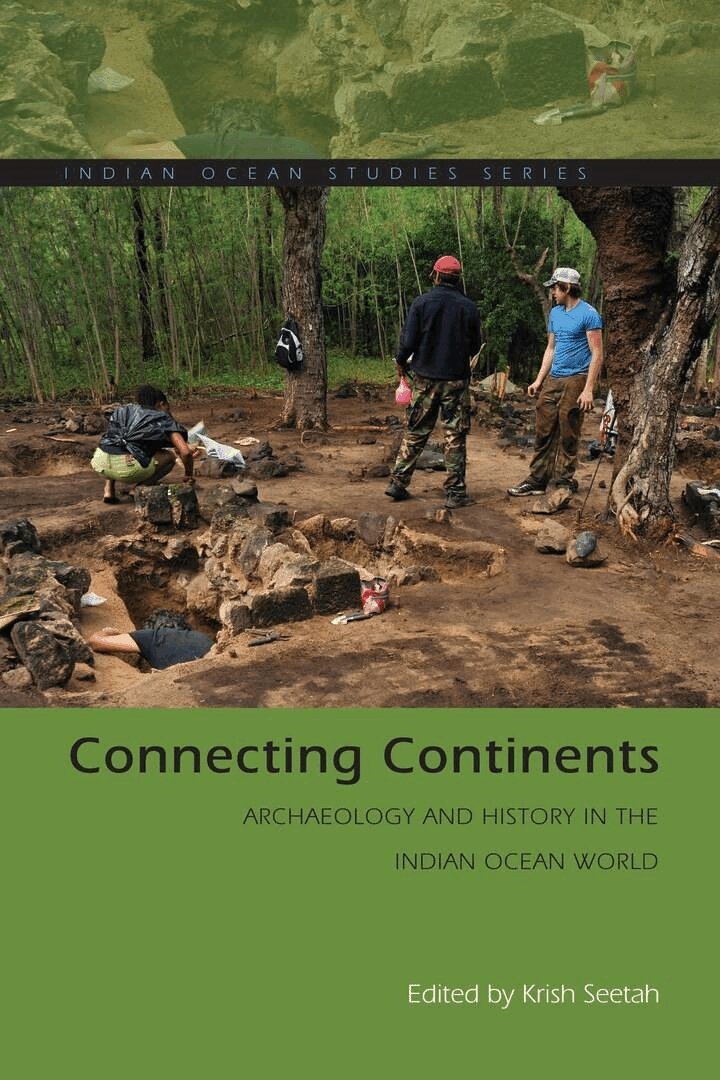
    Krish Seetah is Assistant Professor of Anthropology at Stanford University. He brings vocational experience as a professional butcher to his research on environmental archaeology, especially human-animal interactions, and the ecological consequences of colonialism.  He is the author of Bones for Tools – Tools for Bones: The Interplay Between Objects and Objectives (2012) and Connecting Continents: Archaeology and History in the Indian Ocean (forthcoming).

    Innehållsförteckning

    • Part I. Butchery as Craft and Social Praxis: 1. Animal bodies, human technology; 2. Conceptualising 'butchery'; 3. Thinking practically; 4. Craft, practice, and social boundaries; 5. Intellectualizing practice: bridging analogy and technology; 6. The materiality of butchery; Part II. The Butchers' Practice in Archaeo-Historic Societies: 7. Studying cut marks in historic archaeological contexts; 8. Problematising butchery studies; 9. Harnessing the power of the cut mark record; 10. Humans, animals, and the butchers' craft in Roman and medieval Britain; 11. Connecting complex butchering to complexity in society; 12. Beyond butchery.