• Fri frakt över 249 kr
  • •
  • Snabba leveranser
  • •
  • Billiga böcker
Kundservice

Du är på sajten för privatpersoner.

Företag, bibliotek eller offentlig verksamhet?

Du handlar på classic.bokus.com, där alla dina funktioner finns intakta.
Till classic.bokus.com
Bokus logotyp. Gå till startsidan.
  • Erbjudanden
  • Student
  • Topplistor
  • Barn & ungdom
  • Bokus Play
  • E-böcker
  • Ljudböcker
  • Pocketböcker
  • Spel och pussel

Pocketfynda! Hundratals böcker för 49 kr/st →

Sidfot

Mina sidor

    Hjälp

    • Kundservice
    • Vanliga frågor och svar
    • Frakt och leverans
    • Retur vid ångerrätt
    • Reklamera vara
    • Betalning
    • Köpvillkor
    • Allmänna villkor
    • Information om webbplatsens tillgänglighet

    Om Bokus

    • Om oss
    • Pressrum
    • För studenter
    • För företag
    • För bibliotek och offentlig verksamhet
    • För leverantörer
    • Hållbarhet

    Populärt

    • Aktuella erbjudanden
    • Presentkort
    • Studentlitteratur
    • Nya böcker
    • Topplistor
    • Signerade böcker
    • Engelska böcker

    Inspiration

    • Boktips
    • BookTok
    • Barnbokskaraktärer
    • Populära författare
    Logotyp för Bokus
    Följ oss på Facebook (extern länk)Följ oss på Instagram (extern länk)Följ oss på YouTube (extern länk)Följ oss på TikTok (extern länk)
    bokus @ CookiesAnpassa cookiesIntegritetspolicyKöpvillkor
    Till Citymail hemsida (extern länk)Till Budbee hemsida (extern länk)Till Postnord hemsida (extern länk)Till Schenker hemsida (extern länk)Till Early Bird hemsida (extern länk)Till Walleys hemsida (extern länk)
    1. Filosofi och religion
    2. Filosofi
    3. Filosofiska discipliner

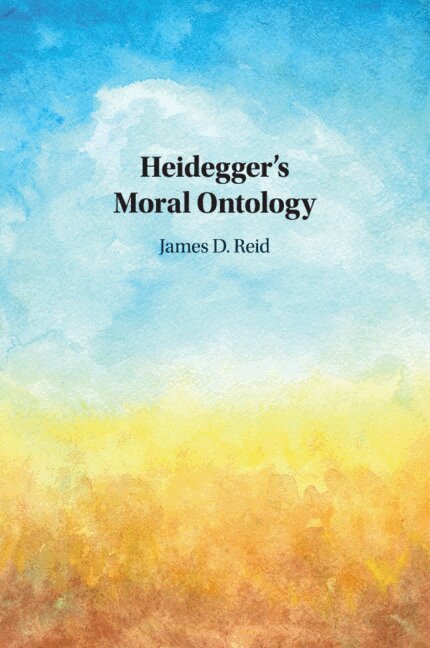
    Heidegger's Moral Ontology

    AvJames D. Reid

    Häftad, Engelska, 2020

    463 kr

    Beställningsvara. Skickas inom 7-10 vardagar. Fri frakt över 249 kr.

    Fler format och utgåvor

    Inbunden

    1 335 kr

    Beskrivning

    Heidegger's Moral Ontology offers the first comprehensive account of the ethical issues that underwrite Heidegger's efforts to develop a novel account of human existence. Drawing from a wide array of source materials from the period leading up to the publication of Being and Time (1919-1927), and in conversation with ancient, modern, and contemporary contributions to moral philosophy, James D. Reid brings Heidegger's early philosophy into fruitful dialogue with the history of ethics, and sheds fresh light on such familiar topics as Heidegger's critique of Husserl, his engagement with Aristotle, his account of mortality, the role played by Kant in the genesis of Being and Time, and Heidegger's early reflections on philosophical language and concepts. This lively book will appeal to all who are interested in Heidegger's early phenomenology and in his thought more generally, as well as to those interested in the nature, scope, and foundations of ethical life.

    Produktinformation

    • Utgivningsdatum:2020-09-17
    • Mått:153 x 230 x 13 mm
    • Vikt:450 g
    • Format:Häftad
    • Språk:Engelska
    • Antal sidor:249
    • Förlag:Cambridge University Press
    • ISBN:9781108434713

    Utforska kategorier

    • Filosofiska discipliner inom Filosofi och religion

    Mer om författaren

    James D. Reid is Associate Professor of Philosophy at the Metropolitan State University of Denver. He has co-edited Thoreau's Importance for Philosophy (2012) and is the author of Being Here Is Glorious: On Rilke, Poetry, and Philosophy (2015).

    Recensioner i media

    'Drawing on a broad range of literary and philosophical sources, Reid perceptively, sensitively and rigorously explores the case for a 'moral ontology' grounded in Heidegger's early works: this is essential reading for anyone interested in modern European philosophy, and in the problems and possibilities embedded in Heidegger's thought.' Sacha Golob, King's College London

    Innehållsförteckning

    • Introduction: ethics and ontology; 1. Ethical criticism; 2. Ethical truth and the quarrel between the ancients and the moderns; 3. Excursus on being and the good; 4. Things and persons: an exercise in moral ontology; 5. Owning up to life and death; 6. The ethics and ontology of formal indication; Conclusion.