• Fri frakt över 249 kr
  • •
  • Snabba leveranser
  • •
  • Billiga böcker
Kundservice

Du är på sajten för privatpersoner.

Företag, bibliotek eller offentlig verksamhet?

Du handlar på classic.bokus.com, där alla dina funktioner finns intakta.
Till classic.bokus.com
Bokus logotyp. Gå till startsidan.
  • Erbjudanden
  • Nyheter
  • Student
  • Topplistor
  • Barn & ungdom
  • Bokus Play
  • E-böcker
  • Pocketböcker
  • Spel & pussel

10% studentrabatt med kod TERM26

Sidfot

Mina sidor

    Hjälp

    • Kundservice
    • Vanliga frågor och svar
    • Frakt och leverans
    • Retur vid ångerrätt
    • Reklamera vara
    • Betalning
    • Köpvillkor
    • Allmänna villkor
    • Information om webbplatsens tillgänglighet

    Om Bokus

    • Om oss
    • Pressrum
    • För studenter
    • För företag
    • För bibliotek och offentlig verksamhet
    • För leverantörer
    • Hållbarhet

    Populärt

    • Aktuella erbjudanden
    • Presentkort
    • Studentlitteratur
    • Nya böcker
    • Topplistor
    • Signerade böcker
    • Engelska böcker

    Inspiration

    • Boktips
    • BookTok
    • Populära bokserier
    • Barnbokskaraktärer
    • Populära författare
    Logotyp för Bokus
    Följ oss på Facebook (extern länk)Följ oss på Instagram (extern länk)Följ oss på YouTube (extern länk)Följ oss på TikTok (extern länk)
    bokus @ CookiesAnpassa cookiesIntegritetspolicyKöpvillkor
    Till Citymail hemsida (extern länk)Till Budbee hemsida (extern länk)Till Postnord hemsida (extern länk)Till Schenker hemsida (extern länk)Till Early Bird hemsida (extern länk)Till Walleys hemsida (extern länk)
    1. Kultur
    2. Konstböcker
    3. Konsthistoria

    Genealogy and the Politics of Representation in the High and Late Middle Ages

    AvJoan A. Holladay

    Inbunden, Engelska, 2019

    1 609 kr

    Beställningsvara. Skickas inom 10-15 vardagar. Fri frakt över 249 kr.

    Beskrivning

    Images and image cycles with genealogical content were everywhere in the high and later Middle Ages. They represent families related by blood as well as successive office holders and appear as family trees and lineages of single figures in manuscripts, on walls and in stained glass, and in sculpture and metalwork. Yet art historians have hardly remarked on the frequency of these images. Considering the physical contexts and functions of these works alongside the goals of their patrons, this volume examines groups of figural genealogies ranging across northern Europe and dating from the mid-twelfth to the mid-fourteenth century. Joan A. Holladay considers how they were used to legitimize rulers and support their political and territorial goals, to reinforce archbishops' rights to crown kings, to cement relationships between families of founders and their monastic foundations, and to commemorate the dead. The flexibility and legibility of this genre was key to its widespread use.

    Produktinformation

    • Utgivningsdatum:2019-01-17
    • Mått:186 x 261 x 23 mm
    • Vikt:1 040 g
    • Format:Inbunden
    • Språk:Engelska
    • Antal sidor:406
    • Förlag:Cambridge University Press
    • ISBN:9781108470186

    Utforska kategorier

    • Konsthistoria inom Kultur

    Mer om författaren

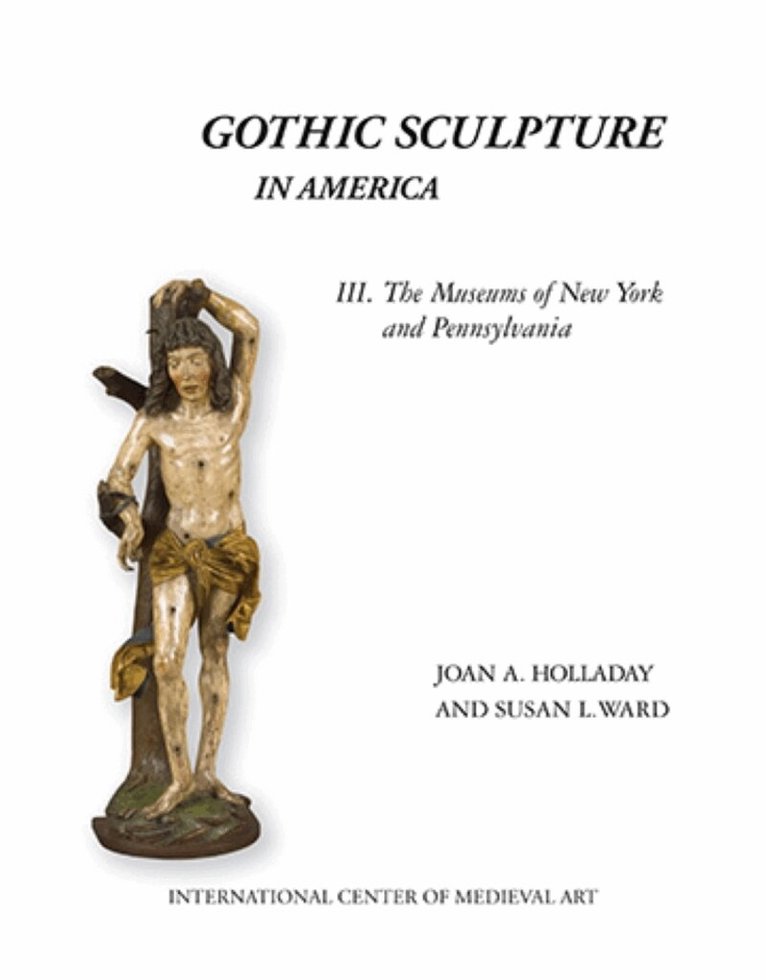
    Joan A. Holladay is Professor of Art History at the University of Texas, Austin. Author of Illuminating the Epic: The Kassel Willehalm Codex and the Landgraves of Hesse in the Early Fourteenth Century (1997) and Co-Editor of Gothic Sculpture in America, volume 3 (2016), she has held positions as Visiting Senior Fellow at Center for Advanced Study in the Visual Arts (CASVA), National Gallery of Art; Hohenberg Chair of Excellence, University of Memphis; and NEH Professor of the Humanities, Colgate University. In 2008, she received the Distinguished Teaching Award of the University of Texas's College of Fine Arts.

    Recensioner i media

    'The thesis of this work is that political positioning of medieval patrons, using both real and imagined lineages, was widespread … Recommended.' K. E. Staab, Choice

    Innehållsförteckning

    • 1. Rivalling/reviving Rome: environmental genealogies in palace halls; 2. Structuring the past: history and genealogy in thirteenth-century England; 3. Crowning the king: coronation rights at Cologne and Reims; 4. Advertizing allegiances: tombs and tomb cycles; 5. Flattering founders: genealogical imagery in cloister chronicles.